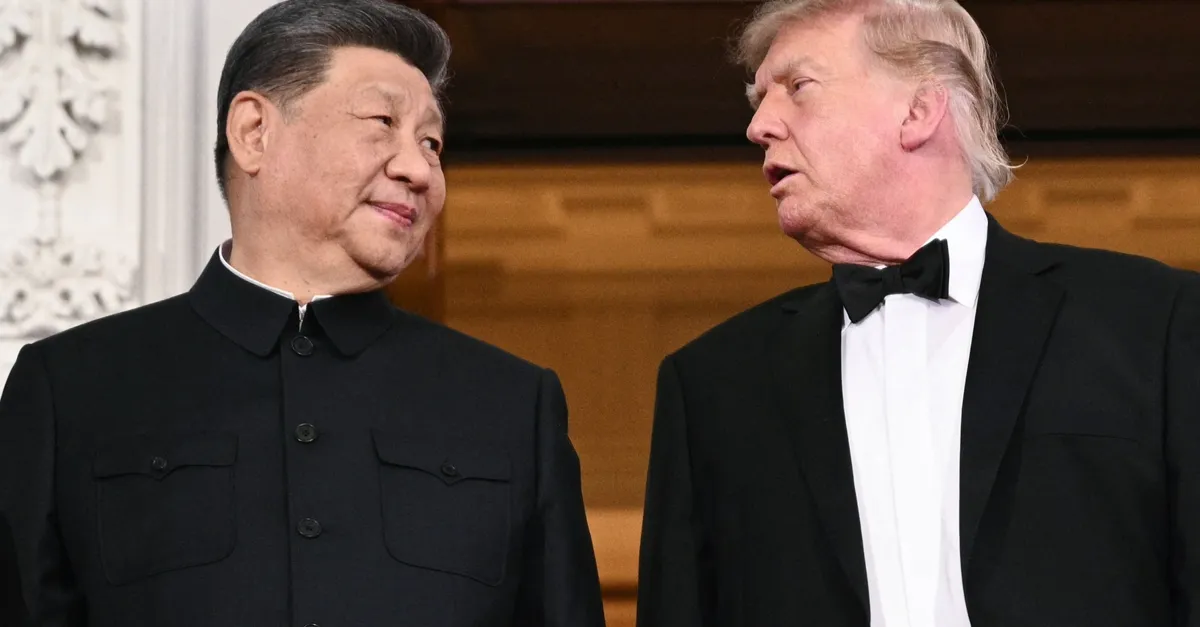
US Ambassador to China David Birdy revealed that President Donald Trump offered to sell China US weapons during a meeting with Chinese President Xi Jinping. This revelation has raised questions about the Trump administration's intentions in the region, particularly with regards to Taiwan. The US has a long-standing policy of not selling arms to China, and the offer has been met with skepticism and criticism from experts and lawmakers.
The offer of US weapons to China is particularly sensitive given the two countries' complex and often tense relationship. China is considered a strategic rival to the US, and the US has significant security interests in the region. The revelation has also raised concerns about the Trump administration's commitment to Taiwan, which has been seeking a significant arms deal worth $14 billion. The deal has been held up, and it is unclear when or if it will be finalized.
The Trump administration has sought to downplay the significance of the offer, with the State Department issuing a statement saying that there are no plans to sell arms to China. However, experts and lawmakers have expressed skepticism about the administration's intentions, and some have accused Trump of trying to use Taiwan as a bargaining chip in his dealings with China.
The offer of US weapons to China has also sparked concerns about the potential impact on US allies in the region, including Japan and the Philippines. These countries have been watching the situation closely, and some have expressed concerns about the Trump administration's approach to the region. The situation is likely to be a topic of discussion when Trump meets with Xi again in China in November.
Despite the controversy, the Trump administration has pointed out that it has approved significant arms sales to Taiwan in the past, including a $11.1 billion deal in December. However, experts say that these sales are not necessarily a sign of a strong commitment to Taiwan, and that the administration's actions are often contradictory and confusing.
The situation is likely to remain a source of tension between the US and China, and it is unclear how the issue will be resolved. The Trump administration has said that it will continue to review the Taiwan arms deal, but it is unclear when or if it will be finalized. In the meantime, experts and lawmakers will be watching closely to see how the administration handles the situation.
The developments have also raised questions about the Trump administration's overall approach to China and Taiwan. Some experts have accused the administration of being inconsistent and unclear in its policy towards the region, and of prioritizing US interests over those of its allies. The situation is likely to continue to be a source of controversy and debate in the coming months.
Key points
- The Trump administration's offer of US weapons to China has sparked concerns about its commitment to Taiwan and its approach to the region.
- The situation has also raised questions about the potential impact on US allies in the region, including Japan and the Philippines.
- The Trump administration has sought to downplay the significance of the offer, but experts and lawmakers remain skeptical about its intentions.