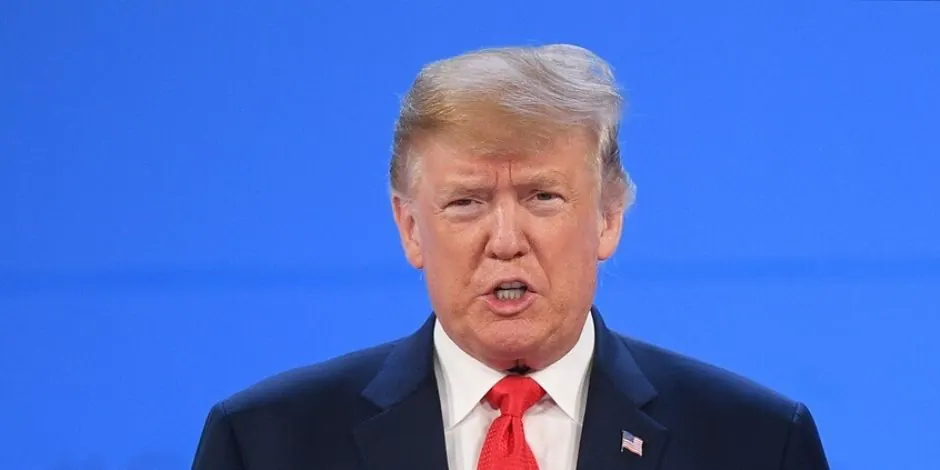
US President Donald Trump is facing growing pressure to intervene militarily in the conflict between the Houthi rebels and the Yemeni government. The Houthis, backed by Iran, have been making rapid gains, including advancing towards the province of Marib, which holds the country's largest oil and gas reserves. Allies of the US in the region have urged Trump to take military action against the Houthis, with increasing urgency in recent days.
There is division within the US Pentagon over whether Trump should intervene in the conflict. Some defence officials and Trump administration members believe that opening another military front in the region is a bad idea, citing concerns about dwindling stocks of defensive and long-range weapons. They note that the Houthis are not targeting US ships. This has sparked debate about the wisdom of military intervention.
On the other hand, some military leaders argue that the US should help respond to Houthi attacks, expressing concerns that failing to act decisively would be a betrayal of a key regional ally. They believe that the US has a responsibility to support its allies in the region. The issue has sparked a row within the Trump administration, with different factions holding competing views.
According to a report by NBC News, Trump had ordered a military strike against the Houthis on Sunday, but the plan was cancelled. The report cited unnamed officials, who said that Trump had not ruled out the military option in the future. The cancellation of the strike has been seen as a sign of the administration's caution.
A senior US military commander in the region has warned that any action against the Houthis could put US forces in the Middle East and the mission to counter Iran at risk. The commander noted that US forces have the capability to undertake multiple tasks, but that there are risks associated with taking on additional commitments.
Trump is facing a dual crisis, as the US remains engaged in a conflict with Iran that he initiated and is struggling to end. The US is also dealing with shortages of key military resources, which has raised concerns about its ability to take on new military commitments. Trump has previously stated that he is considering escalating the conflict with Iran.
The situation in Yemen remains volatile, with the Houthis continuing to make gains and the US and its allies weighing their next move. The US has a difficult decision to make, balancing its interests in the region with the risks and costs of military intervention. The outcome of the crisis remains uncertain, with significant implications for the region and beyond.
Key points
- The US military is divided over whether to intervene in the conflict between the Houthi rebels and the Yemeni government.
- Trump had ordered a military strike against the Houthis, but it was cancelled.
- The US faces a dual crisis in confronting the Houthis, with limited resources and an ongoing conflict with Iran.