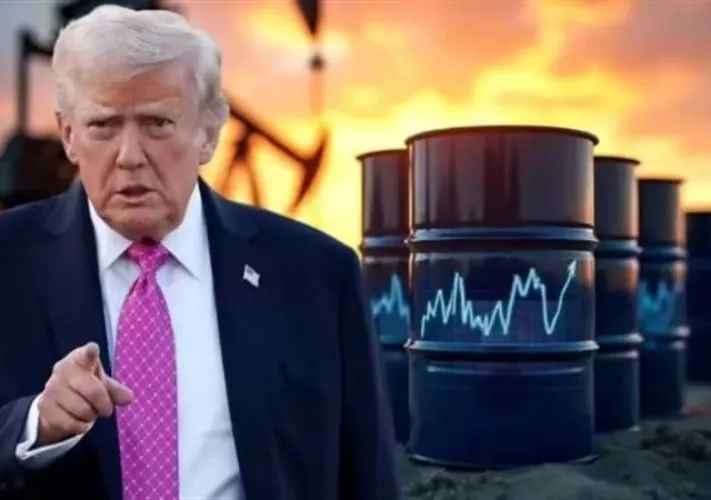
US President Donald Trump has denied reports that he offered Iran a deal to ease sanctions and release frozen Iranian funds in exchange for progress on its nuclear program. According to reports from Reuters, Trump took to social media to deny the claims, stating that he had not offered Iran anything. The reports, which came from Axios and CNN, cited unnamed US officials who claimed that Trump was willing to discuss sanctions relief and release of frozen Iranian funds as part of a final agreement.
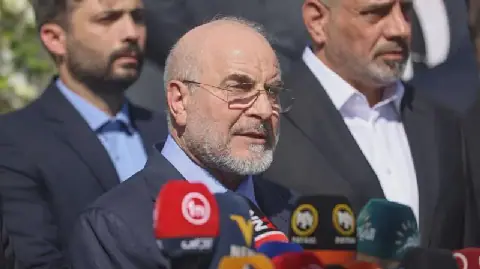
Iranian President Masoud Pezeshkian has stated that his country is willing to negotiate on its nuclear program and other issues, but will not accept what he described as intimidation or coercion. Pezeshkian emphasized that Iran does not seek war but will defend itself against pressure, threats, and attacks. Iran has consistently maintained that it does not possess nuclear weapons and does not seek to develop them, while insisting on its right to a domestic civilian nuclear program.
The developments come after separate talks between US and Iranian officials with mediators on Monday, as part of new efforts to end the ongoing seven-month war. Iran has previously stated that a diplomatic solution is the only way to end the conflict with the US and Israel. Iranian Foreign Minister Abbas Araghchi stated that Tehran's conditions for reopening the Strait of Hormuz are clear and that any move in this direction is linked to the implementation of those conditions.
Araghchi had previously stated at the United Nations on Friday that a proposed agreement would launch a seven-day deadline to reopen the strait and halt regional fighting. However, Trump rejected the plan on Saturday, considering that the pressures Iran faces are driving it to seek an agreement on the vital shipping lane. Araghchi stated that mediators facilitating talks between Tehran and Washington had not officially informed Iran of a final US rejection.
The uncertainty has impacted oil markets, with prices rising for a second consecutive session on Tuesday. Fears over Middle East supplies have outweighed indicators of recovering crude exports from the region. Brent crude futures rose $1.49, or 1.4%, to $106.77 per barrel, while US West Texas Intermediate crude rose $1.34, or 1.5%, to $93.94 per barrel.
The ongoing conflict has led to significant disruptions in global energy supplies, supporting a rise in oil prices and increasing global inflationary pressures. The future of regional exports and the reopening of the Strait of Hormuz remain key factors influencing market direction in the coming period. Iran has consistently maintained that it will not develop nuclear weapons.
The situation remains complex, with multiple factors influencing the trajectory of the conflict and its impact on global markets. The international community continues to watch developments closely, as diplomatic efforts aim to find a solution to the ongoing crisis.
Key points
- Trump denies offering Iran sanctions relief in exchange for nuclear progress
- Iran is willing to negotiate on its nuclear program but will not accept intimidation or coercion
- Oil prices continue to rise due to fears over Middle East supplies