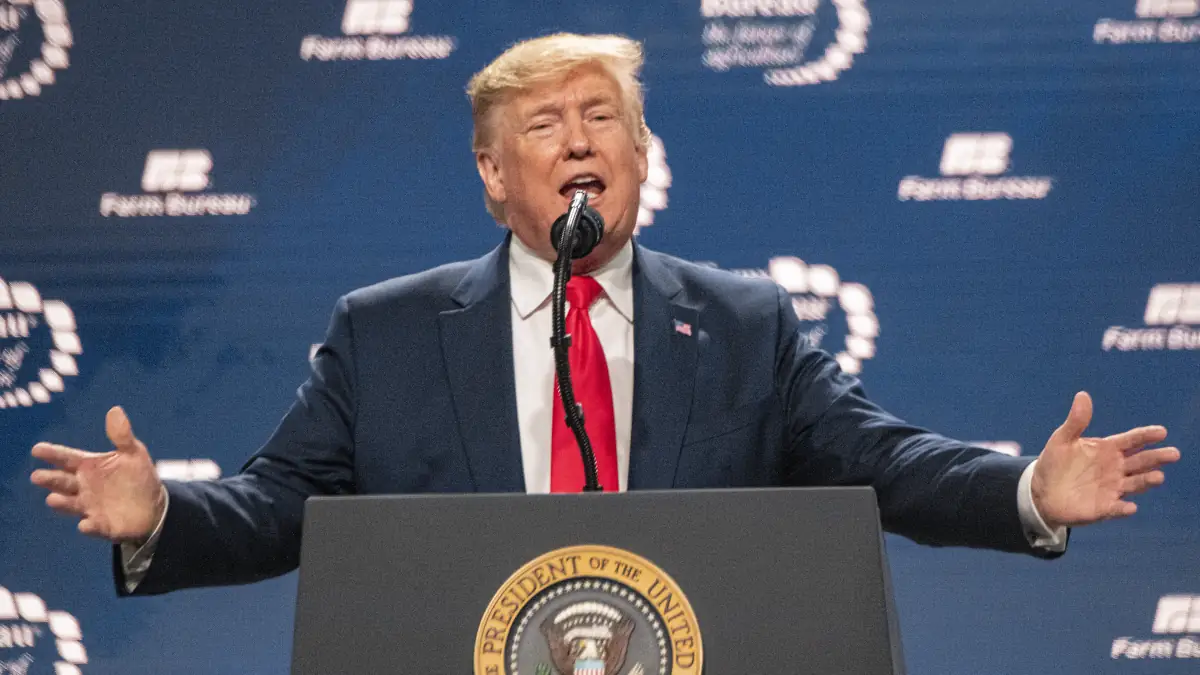
On September 22, 2026, US President Donald Trump addressed the 81st United Nations General Assembly in New York, calling on member states to enhance the isolation of Iran. His speech, broadcast through official UN channels, focused primarily on the conflict with Tehran. Trump defended US military operations, claiming they had diminished Iranian capabilities, although these assertions are increasingly disputed. The speech was closely watched by foreign delegations.
During his address, Trump asserted that inflation was crippling Iran, rendering the regime significantly weakened. He emphasized that he would not permit Iran to acquire nuclear capabilities and warned that he would take drastic action, including destroying the country, to ensure the security of the United States and its regional allies. This stance has been a recurring theme in Trump's rhetoric on Iran.
The possibility of a future agreement with Iran remains uncertain. Trump expressed optimism that a deal could be reached after the US legislative elections in November. However, the Iranian regime has previously stated that it will not negotiate unless the US lifts its stance, and that a comprehensive agreement would require the denuclearization of the entire region, including Israel.
Trump's approach to Iran has been criticized for inconsistency. In a September 17 interview with Axios, he suggested that the US could either pursue massive military operations or seek a new agreement. Previously, he had mentioned the possibility of "annihilating" the Iranian regime. This mixed messaging has contributed to uncertainty about US policy towards Iran.
The Iranian economy is under significant pressure due to US sanctions. The Trump administration has targeted various companies and intermediaries accused of facilitating Iran's evasion of financial restrictions. On September 17, the US imposed sanctions on an Iranian cryptocurrency platform and several individuals allegedly involved in these schemes.
The international community remains divided on how to address Iran's nuclear program and regional activities. While some countries advocate for diplomatic engagement, others support a more confrontational approach. The UN Security Council has been unable to reach consensus on these issues, reflecting the deep-seated divisions among its member states.
The situation remains complex, with multiple competing narratives and interests at play. The Iranian government has faced criticism for its human rights record and regional policies, while the US has been accused of acting unilaterally and disregarding international agreements. As tensions persist, the international community faces significant challenges in finding a peaceful resolution to the conflict.
Key points
- Trump urges UN members to strengthen isolation of Iran
- US sanctions exacerbate economic pressure on Iran
- Uncertainty surrounds prospects for future US-Iran agreement