The pollution incident, which occurred on November 4, 2025, involved the accidental release of over 2,500,000 cubic meters of wastewater with high levels of heavy metals into the densely populated neighborhoods of Kasapa, Kamatete, and Kamisepe. The incident sparked widespread outrage and renewed debate on the responsibilities of mining companies in protecting the environment and local populations.
In response to the incident, the Ministry of Mines, led by Minister Louis Watum Kabamba, suspended CDM's activities for three months and established an inter-ministerial commission to assess the damage and propose reparations. On January 17, 2026, the Minister signed a decision outlining CDM's obligations to the affected populations, including financial reparations and infrastructure projects.
However, nearly ten months after the decision, the implementation of reparations remains uncertain. A communiqué issued by the Ministry of Mines on November 6, 2026, cited difficulties in revising the company's terms of reference and CDM's financial situation as reasons for the delays. Fifteen organizations and community representatives have criticized the Ministry's stance, arguing that it contradicts the Minister's previous decision.
The organizations dispute the Ministry's argument that the implementation of a $6 million program for community projects requires a revision of CDM's terms of reference. They argue that this program is an additional commitment, separate from the company's regular social responsibility obligations, and should not be absorbed into the standard terms.
The organizations also criticize the Ministry's stance on the resumption of CDM's activities, arguing that the company's financial difficulties should not justify weakening the obligations imposed by the State. They emphasize that the State's authority should not be undermined by the polluter's financial arguments.
Furthermore, the organizations express concerns that the Ministry's communiqué overlooks essential obligations, including healthcare and infrastructure projects. They stress that the reparations must also consider the long-term health consequences of the pollution and that the five-year medical follow-up is a crucial measure to protect the exposed populations.
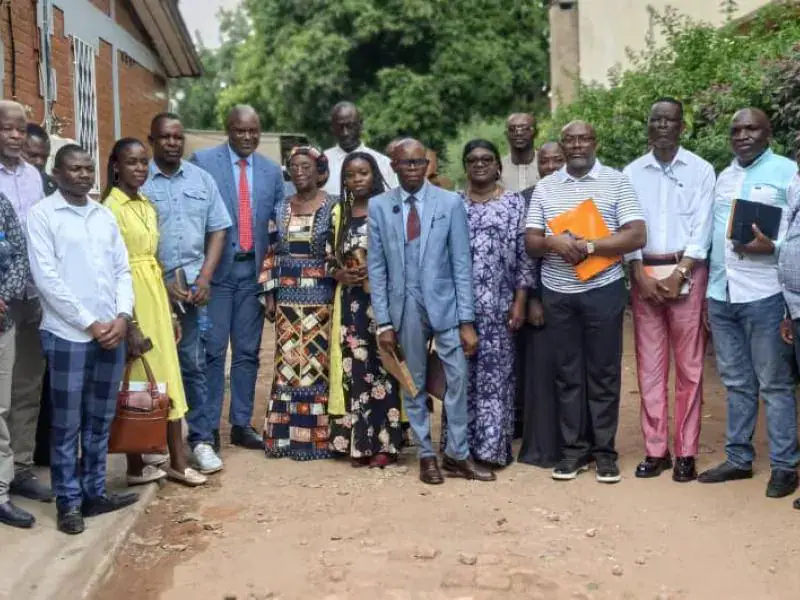
The organizations and community representatives are calling for concrete actions from the Ministry, including the financing of additional community projects, the implementation of promised infrastructure, and the establishment of medical follow-up for the affected populations. Ultimately, this controversy raises questions about the capacity of the Congolese State to enforce its decisions against mining companies.
Key points
- The Congolese Ministry of Mines faces criticism from 15 organizations over its handling of reparations for communities affected by the CDM pollution incident.
- The organizations dispute the Ministry's stance on the implementation of a $6 million program for community projects and the resumption of CDM's activities.
- The controversy highlights concerns about the capacity of the Congolese State to enforce its decisions against mining companies and ensure accountability for environmental damage.