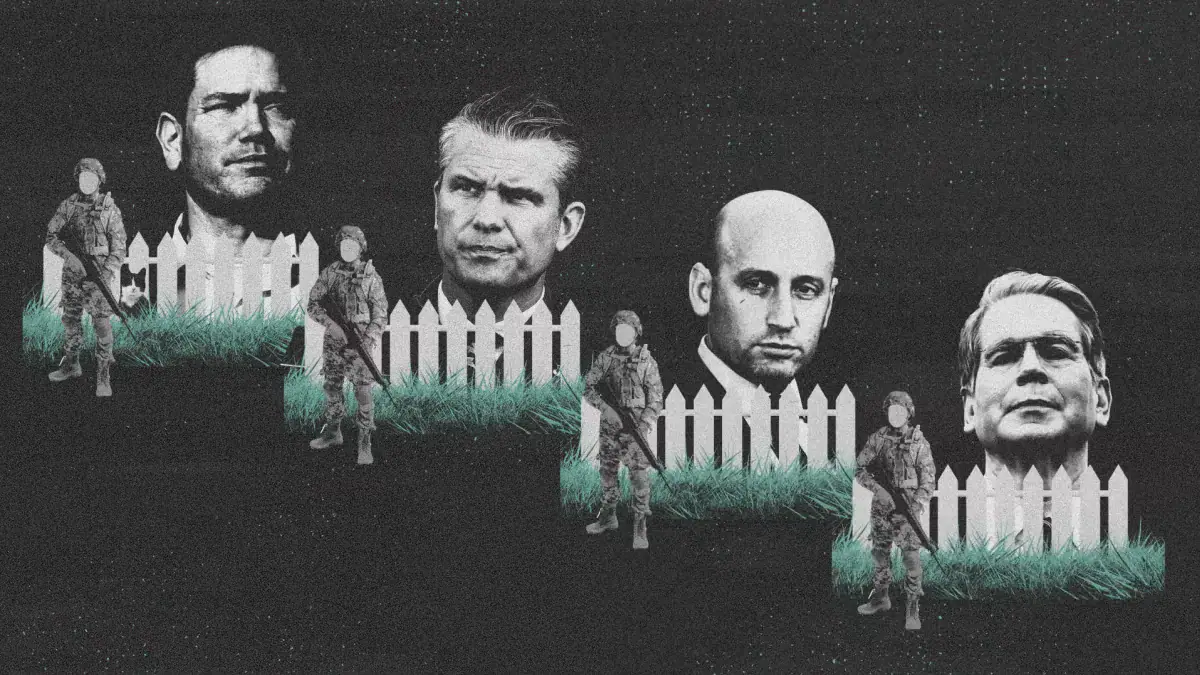
A growing number of President Donald Trump's Cabinet members have moved into secure military housing in Washington, DC, citing concerns for their safety due to threats from foreign adversaries and domestic political violence. This trend marks a significant shift in the living arrangements of senior government officials, with about half a dozen members of Trump's administration now residing in military housing. Historically, it was rare for senior civilian officials to live in military housing, but the current situation has led experts to suggest that this trend may continue in future administrations.
The increasing demand for secure military housing has raised concerns about the democratic tradition of civilian leaders living among civilians. Thomas Kahn, director of the Center for Congressional and Presidential Studies at American University, noted that this trend contributes to the isolation of public officials. Kahn stated that officials already live in a bubble due to their security details, but now they are not even living in the kind of neighborhood that most people live in. This development has sparked scrutiny from some Democratic lawmakers, who argue that it is essential to investigate the living arrangements of politically appointed officials in military housing.
Treasury Secretary Scott Bessent is the most recent Cabinet member to relocate to military housing, citing Iranian threats on his life. Bessent moved from his mansion in Georgetown to a secure military base in Washington, stating that he would not be cowed by the threats. Attorney General Todd Blanche and Defense Secretary Pete Hegseth also live in military housing, with Hegseth's residence undergoing $137,297 in repairs and upgrades last year. The costs of housing are typically paid by the officials, with rates ranging from $4,500 per month, depending on the residence.
The trend of Cabinet members living in military housing began with Defense Secretary Robert Gates, who was the first secretary of defense to live in military housing in 2009. Gates' arrangement set a precedent, and a legislative change was made to allow future defense secretaries to rent military housing at a lower rate. However, this arrangement has raised concerns about the appearance of impropriety, particularly when other Cabinet members, such as Mike Pompeo, have inquired about living in military housing.
The White House has defended the living arrangements, citing a decline in crime in Washington, DC, and the efforts of Cabinet officials to make the capital "safe and beautiful." However, Democratic lawmakers, such as Rep. George Whitesides of California, have called for an investigation into the living arrangements of politically appointed officials in military housing. The Pentagon is required to report to the House Armed Service Committee by this spring on the threats justifying the moves, legal authority for the arrangements, and rental costs.
The living arrangements of Cabinet members in military housing have also been influenced by domestic political violence, with some officials citing concerns for their safety due to credible threats. White House chief of staff Stephen Miller and his wife, Katie, moved onto military housing from their Virginia home after a woman protested outside their residence and distributed fliers with their home address. The trend of Cabinet members living in secure military housing reflects the increasing concerns about safety and security in Washington, DC.
As the number of Cabinet members living in military housing continues to grow, experts suggest that this trend may have long-term implications for the relationship between government officials and the public. The increasing reliance on secure military housing may contribute to the perception that government officials are isolated from the general public, potentially exacerbating concerns about the accountability and transparency of government.
Key points
- The growing trend of Trump administration officials living in secure military housing has raised concerns about the democratic tradition of civilian leaders living among civilians.
- Treasury Secretary Scott Bessent cited Iranian threats on his life as the reason for his recent relocation to military housing.
- The Pentagon must report to the House Armed Service Committee by this spring on the threats justifying the moves, legal authority for the arrangements, and rental costs.