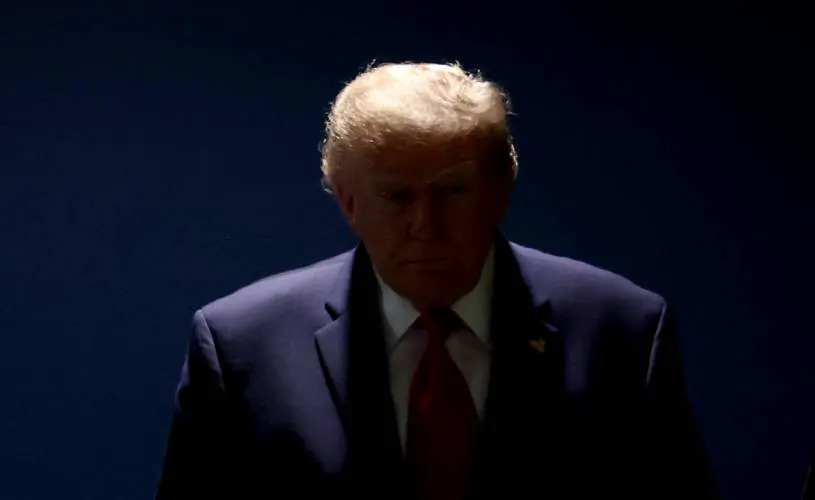
On September 22, 2026, US President Donald Trump addressed the United Nations, urging all member countries of the International Criminal Court to withdraw from the organization. He described the ICC as "out of control" and emphasized that the United States would not allow its service members to be investigated or tried by the ICC. The US is not a member of the ICC and has never ratified the Rome Statute that established the court.
The US opposition to the ICC has been fueled by the court's issuance of an arrest warrant for Israel's Prime Minister Benjamin Netanyahu, a close US ally. Washington has imposed sanctions on ICC officials in response. US Secretary of State Marco Rubio has also expressed strong opposition to the ICC, vowing to dismantle it "brick by brick" and describing it as an "intolerable threat to US sovereignty."
The International Criminal Court was established to try individuals for the world's worst crimes. The court has jurisdiction over its member states, but the US, Israel, Russia, and China are not members. Trump's call for countries to quit the ICC reflects the longstanding tensions between the US and the ICC. The US has consistently argued that the ICC undermines national sovereignty and is prone to politicization.
The Standard Group Plc, a leading multi-media house in Kenya, has been covering the developments at the UN General Assembly. The company, which owns The Standard newspaper, has a significant presence in Kenyan media, with investments in print, television, radio, and digital services. The Standard Group has been a key player in Kenyan journalism since 1902.
The reaction to Trump's call for countries to quit the ICC has been mixed. Some countries have expressed support for the ICC, while others have echoed US concerns about the court's jurisdiction and potential politicization. The ICC has faced criticism and controversy over the years, with some arguing that it targets African countries and is ineffective in prosecuting powerful individuals.
The US has been critical of the ICC's investigations and prosecutions, particularly in cases involving US allies. The ICC has been investigating alleged war crimes and human rights abuses in various countries, including Israel and Palestine. Trump's administration has been vocal in its opposition to the ICC, with Rubio and other officials expressing concerns about the court's impact on US interests.
The future of the ICC remains uncertain, with some countries facing pressure to withdraw from the organization. The ICC's effectiveness and legitimacy have been questioned by some, while others see it as a crucial institution for holding individuals accountable for international crimes. The debate over the ICC's role and jurisdiction is likely to continue, with the US and other countries pushing for reforms or withdrawal.
Key points
- US President Donald Trump called for all nations to quit the International Criminal Court, describing it as "out of control."
- The US opposition to the ICC has been fueled by the court's issuance of an arrest warrant for Israel's Prime Minister Benjamin Netanyahu.
- The ICC's future remains uncertain, with some countries facing pressure to withdraw from the organization.