The Trump administration has formally notified Congress of its intention to admit up to 17,500 refugees in fiscal year 2027, with White Afrikaners from South Africa identified as the primary beneficiaries. This programme carries a projected cost of $500 million to the U.S. government. The notification marks a continuation of a policy that has seen the administration carve out a specific exception for Afrikaners, even as it has largely dismantled refugee resettlement pathways for people fleeing persecution and violence elsewhere in the world.
Administration officials have characterised Afrikaners, who are descendants of European settlers, predominantly of Dutch origin, as victims of systematic racial discrimination in post-apartheid South Africa. The State Department stated that Afrikaners face the seizure of agricultural property without compensation, government policies designed to dismantle equal opportunity in employment, education, and business, and hateful rhetoric fuelling disproportionate violence against racially disfavoured minorities.
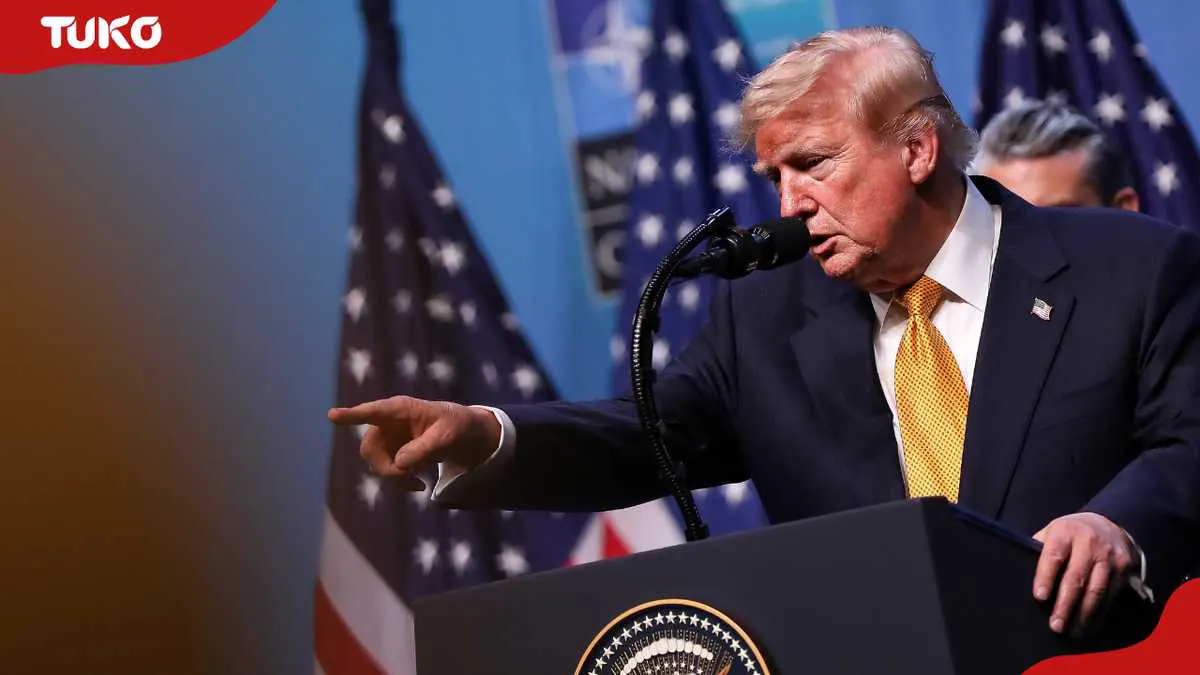
The U.S. anticipates that Afrikaners will fully assimilate into the United States in a manner that preserves taxpayer resources for U.S. citizens. President Donald Trump has alleged that Afrikaners are facing a "genocide" in South Africa, raising these claims directly with South African President Cyril Ramaphosa during a meeting at the Oval Office last year. Trump presented video footage purporting to show the murders of farmers in the country.
The South African government has consistently and firmly denied that it persecutes Afrikaners or any other ethnic minority within its borders. Independent reporting has supported these denials, with a "60 Minutes" investigation featuring Afrikaners themselves who rejected the genocide characterisation, arguing that farm murders were part of a broader violent crime crisis affecting South Africans of all racial backgrounds.
Despite the dispute, the Trump administration pressed ahead by imposing new sanctions on South African officials it held responsible for discriminating against Afrikaners, escalating diplomatic tensions between the two countries. The administration's refugee policy has drawn scrutiny for its selectivity, with Afrikaners benefiting from resettlement over the past year and a half, while the broader U.S. refugee programme has remained effectively closed to most other groups seeking protection from persecution globally.
The Trump administration's refugee resettlement programme for Afrikaners has sparked controversy, with critics questioning the basis for the exemption and the selectivity of the policy. The programme is projected to cost $500 million, with officials citing racial oppression as the basis for the exemption. The move has been met with mixed reactions, with some arguing that it is a necessary measure to protect Afrikaners from persecution, while others see it as a politically motivated decision.
The US government's decision to resettle 17,500 White South Africans has also been influenced by Trump's executive order introducing tighter scrutiny of H-1B visa applications. The directive requires federal agencies to consider whether sponsoring employers have recently laid off or plan to reduce American workers. This move is part of a broader effort to prioritize American workers and adjust immigration policies.
Key points
- The Trump administration plans to resettle 17,500 White South Africans in the US, citing racial oppression as the basis for the exemption.
- The programme carries a projected cost of $500 million to the U.S. government.
- The move has sparked controversy, with critics questioning the basis for the exemption and the selectivity of the policy.