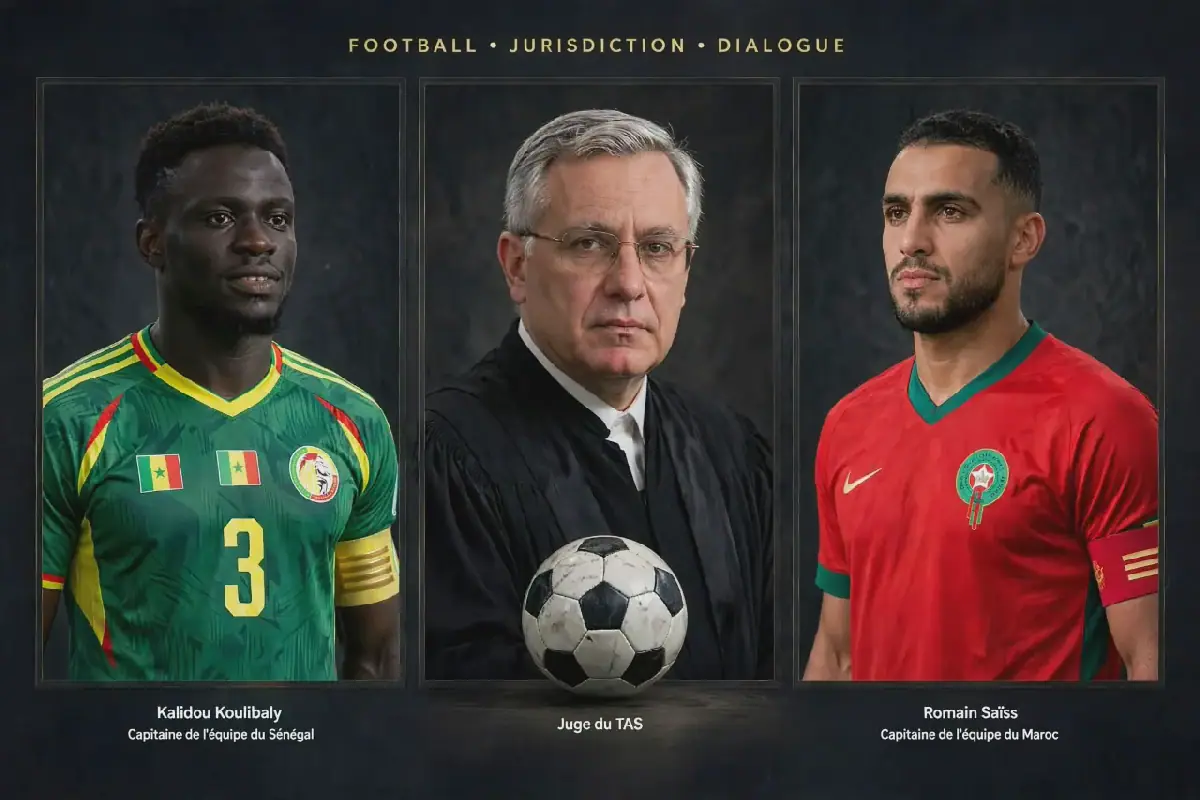
The Tribunal Arbitral du Sport (TAS) in Lausanne, Switzerland, has made a decisive ruling in the dispute between Senegal and Morocco following the 2025 Africa Cup of Nations (CAN 2025) final. The decision, issued on November 24, 2026, brings an end to a prolonged and contentious legal battle that has captivated African football enthusiasts for months. By reinstating Senegal's victory on the field, the TAS has settled a heated debate that began when the Confederation of African Football's (CAF) Appeal Commission initially awarded Morocco a 3-0 forfeit win.
The CAN 2025 final had seen Senegal emerge victorious with a 1-0 win in extra time. However, the match's final minutes were marred by controversy when a penalty was awarded to Morocco, leading to a heated reaction from the Senegalese players. Some players temporarily left the field to protest the decision, causing a 15-minute delay. The match resumed, and Senegal went on to score the winning goal. The incident sparked a legal battle over whether Senegal's actions constituted abandoning the match, which could justify a forfeit loss.
The TAS ultimately ruled that the circumstances did not warrant interpreting Senegal's actions as an abandonment of the match. The arbitrator had not declared the match definitively stopped and had instead ordered a resumption of play, which was completed. This distinction was crucial in the TAS's examination of the case. The ruling emphasizes that sporting results should be determined on the field, respecting the competition's rules, and that disciplinary bodies must apply sanctions with care and discernment.
While the TAS's decision validates Senegal's victory, it does not condone the behavior of the Senegalese players. The temporary departure of players and reactions in the Senegalese camp contributed to a regrettable situation. The ruling draws a distinction between the disciplinary responsibility of actors and the validity of the sporting result. This case highlights the challenges of governance faced by the Confederation of African Football (CAF), which initially upheld the on-field result before the Appeal Commission reversed it, only for the TAS to reinstate the original decision.
The succession of contradictory decisions raises questions about the coherence of CAF's disciplinary mechanisms. The credibility of a sports institution relies not only on organizing competitions but also on the quality and predictability of its decisions. When a critical decision like awarding a continental title is repeatedly contested, it undermines the trust of football stakeholders. CAF must learn from this episode to strengthen its procedures and ensure greater legal security for participating federations.
The Moroccan Federation has expressed disappointment and may explore available avenues of appeal, particularly before the Swiss Federal Tribunal. However, this jurisdiction's intervention is limited to specific legal grounds, such as procedural irregularities or conditions for annulling an arbitral award. For Senegal, this decision represents a significant victory that extends beyond the sports realm, underscoring the importance of legal expertise in modern sports management.
The outcome highlights that a decision by a continental sports body is not necessarily final if it can be contested before a competent jurisdiction. Senegal's football federation demonstrated the importance of having administrative and legal expertise to defend its interests effectively. This case serves as a lesson for African football, emphasizing the need for clear regulations, respected arbitration, and credible disciplinary bodies to ensure the integrity of continental competitions.
Key points
- The TAS upheld Senegal's victory in the CAN 2025 final, rejecting Morocco's claim to the title based on a forfeit.
- The ruling emphasizes the importance of respecting sporting results determined on the field and the need for disciplinary bodies to apply sanctions with care and discernment.
- The case highlights the challenges of governance faced by the Confederation of African Football (CAF) and the need for clear regulations and credible disciplinary mechanisms.