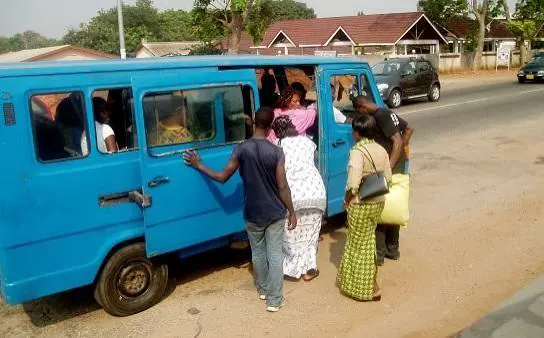
Transport unions at the 37 Bus Terminal and the Kwame Nkrumah Circle-Odawna Bus Terminal in Ghana have deferred the implementation of a proposed increase in transport fares. The decision follows discussions within the transport sector over an 8% increase in transport fares. Some transport operators are awaiting official communication from their national leadership, while others are calling for a review of the proposed adjustment.
The Vice Chairman of the 37 Taxi Company, Mr. Richard Mensah, stated that the proposed 8% increase was inadequate to address the financial pressures commercial drivers face. He noted that fuel costs are only one of several expenses incurred by transport operators, including vehicle maintenance, spare parts, and other operational costs, which have increased significantly.
Mr. Mensah expressed concerns that the proposed adjustment would provide little relief to drivers amidst the rising cost of doing business in the transport sector. He called for measures to help stabilize transportation costs over the long term, suggesting that periodic fare reviews alone might not adequately address the pressures on drivers and commuters if broader economic challenges persist.
According to Mr. Mensah, commuter reactions to the proposed fare increase have been mixed, with some passengers expressing dissatisfaction and others understanding the economic challenges confronting drivers. He noted that increases in fuel prices, taxes, and other costs often directly impact transport operators and passengers, making it essential for policymakers to consider measures that balance the interests of all stakeholders.
Meanwhile, Mr. Omari-Osei, Welfare Secretary of GPTRU, Kwame Nkrumah Circle and Odawna, stated that his outfit had not received official directives from the national leadership and would not implement any fare adjustments until the appropriate communication was received. This differing position underscores the growing debate within the road transport sector over what constitutes a fair fare adjustment for both operators and passengers.
The transport fare discussions occur when drivers and commuters continue to grapple with the effects of rising living and operating costs. Many stakeholders closely watch developments in anticipation of an official position from transport authorities and union leadership. The proposed fare increase has sparked debate over the need for a fair and sustainable solution that balances the interests of transport operators and passengers.
The outcome of the transport fare discussions remains uncertain, with various stakeholders waiting for an official position from transport authorities and union leadership. The situation highlights the challenges faced by transport operators and passengers in Ghana, who must navigate rising living and operating costs while seeking a fair and sustainable solution.
Key points
- Transport unions in Ghana defer fare increase implementation amid debate over proposed 8% adjustment.
- Proposed fare increase deemed inadequate by some transport operators to address financial pressures.
- Stakeholders call for measures to stabilize transportation costs over the long term.