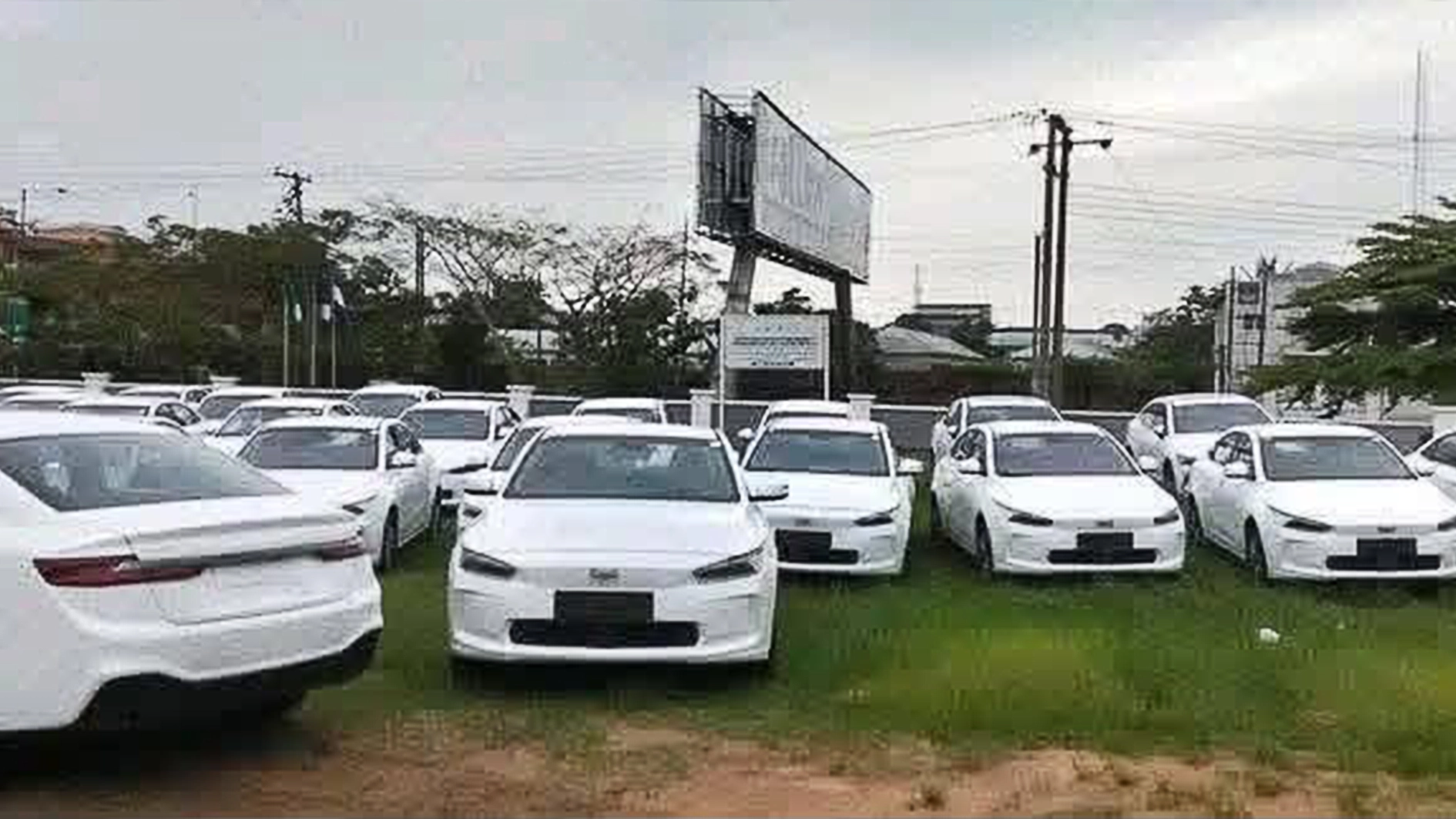
Rising transport fares are burdening Cross River State residents, including workers, parents, and students, as schools resume for the 2025/2026 academic session. Despite the state government acquiring electric buses to mitigate the effects of fuel subsidy removal, they remain unused. The buses, part of the Bassey Otu administration's mass transit scheme, are parked at the state-owned Construction and Fabrication Academy of West Africa in Calabar.
The delay in deploying the electric buses has led to increased transport fares across various local councils, including Calabar South, Calabar Municipality, Akpabuyo, and Bakassi. Checks revealed that schoolchildren and parents are scrambling for tricycles, with fares rising to N800 per trip from N600 before the resumption of schools. A mother of three, Mrs. Eme Bassey, now spends over N2,400 daily transporting her two children to school, lamenting that the government's buses have not been deployed.
University of Calabar students are also feeling the pinch, with many trekking long distances due to high transport fares. A 300-level student, Mary John, noted that mini-buses operating between 8 Miles and the university charge between N800 and N1,000. Commercial drivers attribute the fare increases to the high cost of petrol, selling for over N1,400 per litre in Calabar, and rising spare-parts costs.
Transportation analysts warn that the delay in deploying the electric buses is worsening the financial burden on households. Some families are now spending over 40% of their daily income on transportation, contributing to school absenteeism in public schools in Bakassi, Akpabuyo, and Calabar South. The situation highlights a gap between policy and implementation.
Cross River State Commissioner for Transport, Ekpenyong Cobham, assured residents that the electric buses would soon be deployed to reduce transport costs. He explained that the government adopted a Public-Private Partnership model and is at the stage of signing agreements with the preferred bidder. The buses will operate on intra-city and inter-local government routes, potentially reducing transportation costs and food prices.
Commissioner Cobham disclosed that charging infrastructure is being installed, with components delivered to the fabrication centre and mobile charging stations ordered for deployment. Two Cross River indigenes have undergone training in China to handle maintenance and train other personnel. The buses, wholly procured with state funds, are not part of the Federal Government's CNG bus programme.
The commissioner assured residents that the buses will be deployed under a sustainable arrangement to ease the transportation burden on Cross Riverians. He dismissed concerns that the buses would be unable to operate in waterlogged areas, stating that the cost of operation is not comparable to fossil fuel, which is why electric buses were chosen.
Key points
- The delay in deploying electric buses has led to increased transport fares in Cross River State.
- The state government acquired electric buses as part of its mass transit scheme to cushion the effects of fuel subsidy removal.
- The buses will operate on intra-city and inter-local government routes, potentially reducing transportation costs and food prices.