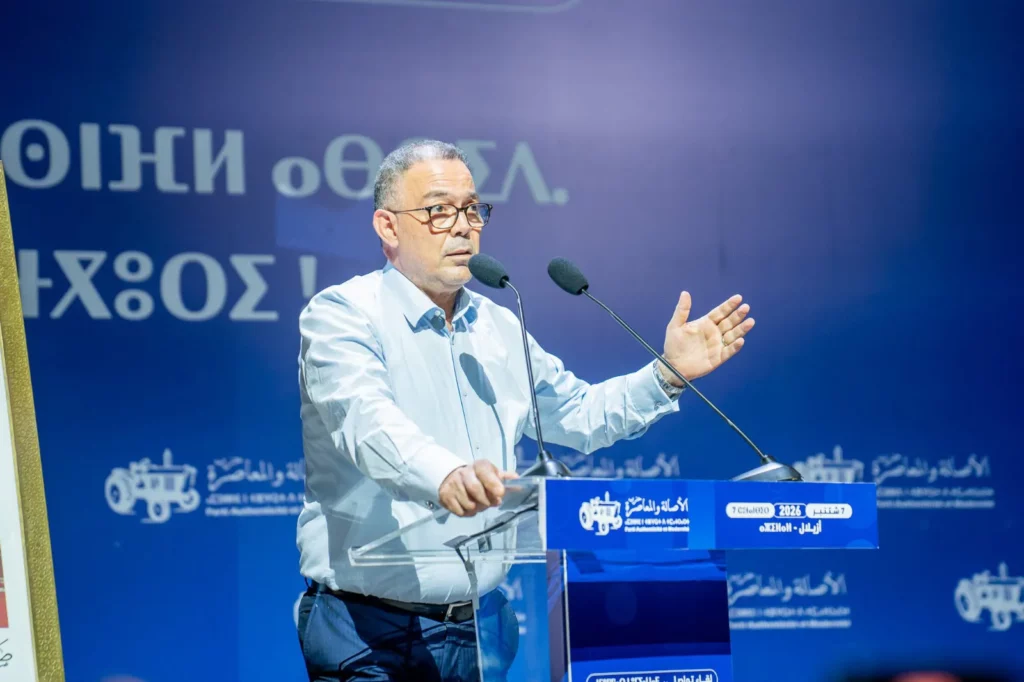
Transparency Maroc, an anti-corruption association, has written to Moroccan Minister Delegate for the Budget Fouzi Lekjaa, seeking clarification on the government's spending of MAD 280 billion ($28 billion) over five years to support purchasing power. The association, which holds public-utility status, sent the letter on September 17 and publicly released it due to the importance of the subject. This request follows Lekjaa's statement on September 7, where he mentioned that the Moroccan state had spent this substantial amount to shore up purchasing power, but with "almost no effect."
Lekjaa later clarified that the figure covered several measures, including direct social support for families and a general wage increase for civil servants. However, Transparency Maroc has posed four key questions to the minister, seeking details on how the money was spent, which amounts were disbursed, and which sectors received them. The association also inquired about the ministry's mechanism to track the effect of these budgets on the prices of subsidized goods and the findings of any evaluations conducted.
The controversy has drawn in Driss El Azami El Idrissi, deputy secretary-general of the Justice and Development Party (PJD) and a former budget minister. He has held Lekjaa accountable, noting that the minister drafts finance bills and defends them in parliament. El Azami pointed to decrees exempting importers from duties between 2022 and 2026, published in the Official Gazette, and questioned whether the Official Gazette could be incorrect. He cited six decrees opening additional appropriations worth MAD 90 billion ($9 billion) and joint decisions in 2023 and 2024 that shifted the VAT on livestock imports onto the state budget.
Lekjaa has denied responsibility for the spending, arguing that he prepares the budget before appropriations are approved, after which ministerial departments carry out the disbursements, leaving him no authority over how the money is used. However, specialists argue that public spending must produce a measurable return, and a sum this large warrants both parliamentary questioning of Finance Minister Nadia Fettah Alaoui and a judicial inquiry. They have noted that the amount is large enough to fund major infrastructure across the country.
Observers have framed the episode as a test of accountability. The exchange unfolds less than 24 hours ahead of the parliamentary elections scheduled for September 23. The controversy has sparked concerns about the effectiveness of public spending and the need for greater transparency and oversight. As the situation develops, it remains to be seen how Lekjaa and the government will respond to the demands for accountability.
The issue has also raised questions about the impact of the spending on the prices of subsidized goods and the overall effectiveness of the government's measures to support purchasing power. With the parliamentary elections approaching, the controversy is likely to remain a topic of discussion and debate among politicians, experts, and the general public.
The controversy highlights the need for greater transparency and accountability in public spending, particularly in Morocco. As the country moves forward, it is essential to ensure that public funds are used effectively and efficiently to support the needs of citizens. The government's response to Transparency Maroc's demands will be closely watched, and the outcome is likely to have significant implications for the country's governance and accountability.
Key points
- Transparency Maroc seeks clarification on MAD 280 billion ($28 billion) spent on purchasing-power aid.
- Lekjaa denies responsibility for spending, citing limited authority over budget disbursements.
- Controversy sparks concerns about accountability, effectiveness of public spending, and need for greater transparency.