Somalia, a country recovering from decades of conflict, has made significant progress in recent years, including reaching the Heavily Indebted Poor Countries (HIPC) Completion Point in December 2023. This milestone has led to $4.5 billion in debt-service relief and reopened access to new external financing. One example of this renewed access is the World Bank's Somalia Infrastructure Development for Access and Jobs, Phase 1 (Stairs2Jobs), approved on May 5, 2026, with $160 million in International Development Association grant financing.
The Stairs2Jobs project is part of a planned four-phase, ten-year programme with an overall financing envelope of $500 million. The project appraisal document, dated April 13, 2026, outlines the allocation of funds for Phase 1, with $68 million for resilient urban drainage in Mogadishu and $50.7 million for the Hargeisa-Salahley-Ina Guha economic corridor. These two investments account for approximately 74.2% of Phase 1 funding. The remaining $41.3 million is allocated for airport investments, institutional transformation and capacity building, sustainable operations and maintenance, and project coordination and management.
The distribution of funds has raised questions among Somali political stakeholders, who are interested in understanding how decisions about infrastructure investment are made and how funding is allocated over the lifetime of the programme. If the remaining 25.8% of funds were divided equally among the five Federal Member States, each would receive approximately $8.26 million. However, this is a hypothetical calculation, and the actual distribution of funds is more complex, with much of the remaining funding allocated to national or sector-wide projects rather than state-by-state allocations.
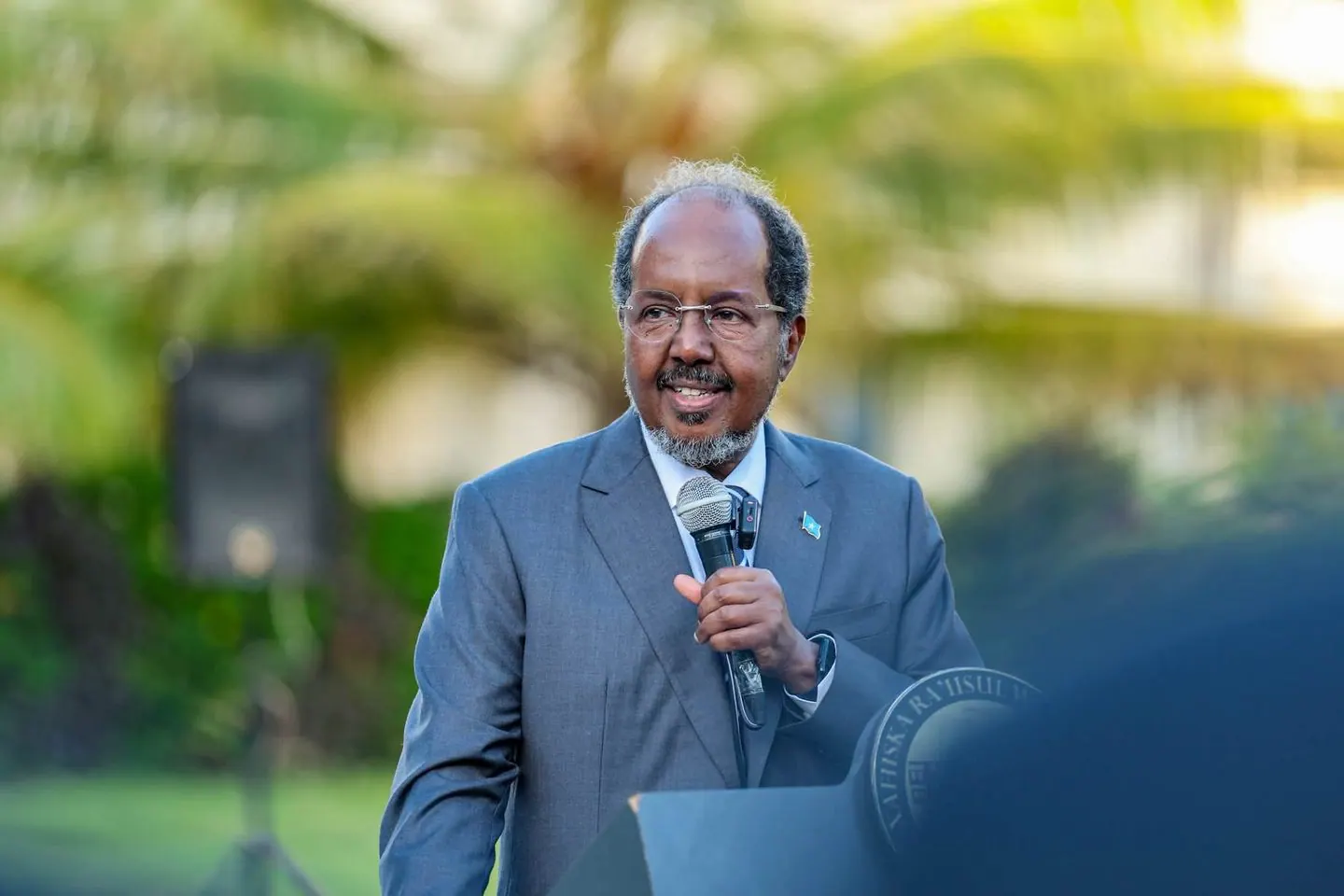
The issue of transparency and distribution of funds is also influenced by Somalia's wider governance environment. The World Bank has warned about the risks of minimal trust in government and the need to address horizontal inequalities that can drive conflict and distrust. Somaliland's President Abdirahman Mohamed Abdullahi "Irro" has challenged the Federal Government of Somalia's sovereignty-based legitimacy over territories controlled by the Somaliland administration. Relations between the Federal Government and some Federal Member States, such as Puntland and Jubaland, have also been strained.
The geographical distribution of investment is also a critical aspect of the programme. With 42.5% allocated to the Mogadishu drainage project and 31.7% to the Hargeisa corridor, the question remains how the remaining regions and Federal Member States will benefit across all four phases. The World Bank's principle of "Do No Harm" emphasizes the importance of inclusion and addressing horizontal inequalities that can drive conflict and distrust.
The Somali government and international partners must ensure that the criteria for selecting projects are transparent, infrastructure needs are assessed consistently across Somalia, and political disagreements do not affect project access or implementation. The programme's success will depend on its ability to produce a broadly equitable geographical distribution of development opportunities and address the country's infrastructure needs.
Ultimately, the Stairs2Jobs project has the potential to make a significant impact on Somalia's infrastructure development, but its success will depend on the transparency and fairness of the distribution of funds. The World Bank and the Somali government must work together to ensure that the programme benefits all regions and Federal Member States, and that its principles of inclusion and "Do No Harm" are upheld.
Key points
- The World Bank's Somalia Infrastructure Development for Access and Jobs, Phase 1, has been approved with $160 million in grant financing.
- The programme's distribution of funds has raised questions among Somali political stakeholders, who are interested in understanding how decisions about infrastructure investment are made.
- The programme's success will depend on its ability to produce a broadly equitable geographical distribution of development opportunities and address the country's infrastructure needs.