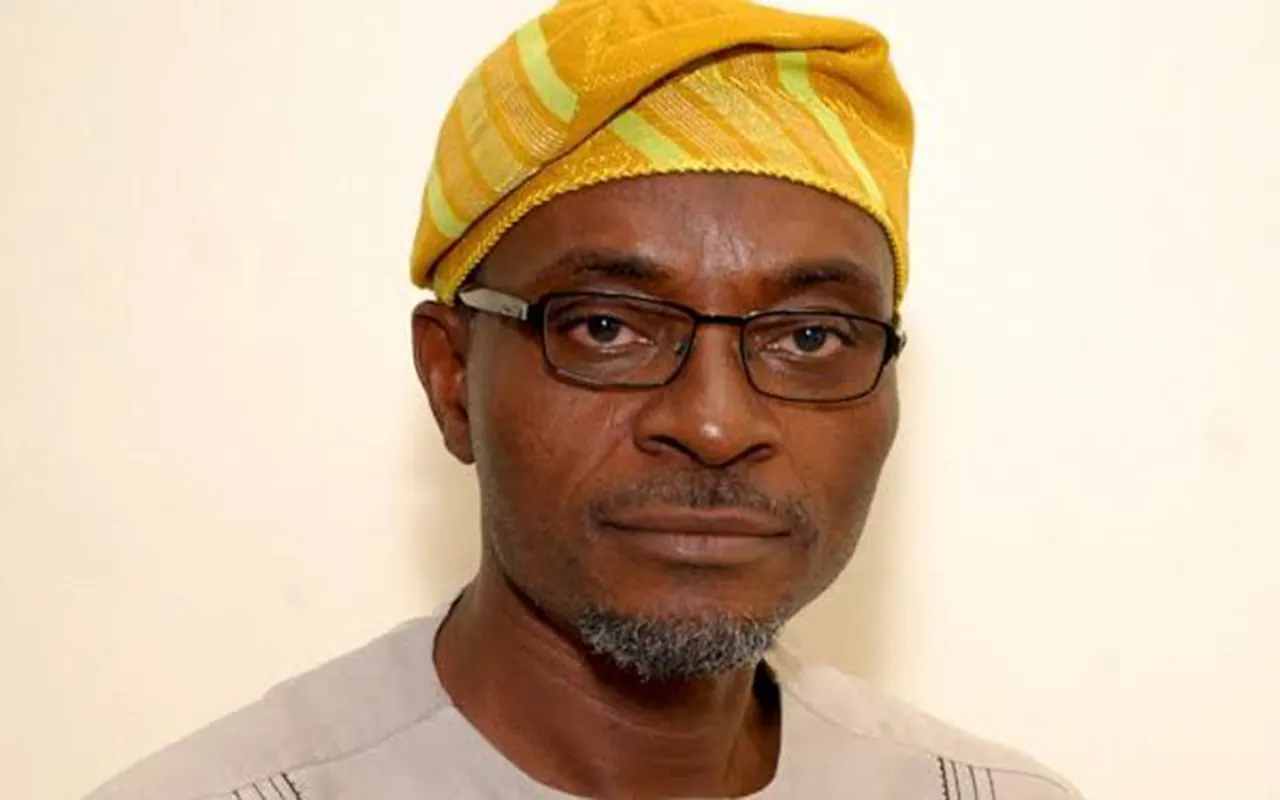
The Olowu of Owu Kingdom, Oba (Professor) Saka Matemilola, has emphasized that traditional leadership in Nigeria should complement the country's established political structure rather than compete with it. This statement was made during a Toyin Falola Interview themed "Indigenous Education, Character Formation and the Making of Citizens." The interview, led by renowned historian and public intellectual Professor Toyin Falola, brought together a panel of scholars to examine the place of indigenous institutions in contemporary society.
Oba Matemilola highlighted that traditional rulers have a distinctive understanding of the challenges confronting their communities due to their proximity to the grassroots. He noted that this connection enables them to identify emerging problems quickly and communicate them to the relevant authorities. According to him, this unique position allows traditional rulers to make significant contributions to national governance, particularly in areas such as security.
The monarch identified security as one of the key areas where traditional rulers could play a crucial role in supporting the formal machinery of government. He advocated for formal recognition of the responsibilities of traditional rulers, alongside appropriate accountability, within the country's governance structure. This, he believes, would enable traditional rulers to complement the efforts of the established political structure.
Beyond security, Oba Matemilola also pointed out alternative dispute resolution (ADR) as another area where traditional institutions could support the formal machinery of government. He noted that traditional institutions could help resolve some disputes before they become prolonged court cases. The Owu Kingdom, under his leadership, has developed its own ADR mechanism, which has been used to address disputes that had remained unresolved for many years.
Oba Matemilola emphasized that the relevance of traditional institutions is linked to their responsibility towards the communities they lead. He stressed that the authority of a traditional ruler should not be interpreted as personal ownership of the community, but rather as a position of service. The monarch further emphasized the communal character of the palace, saying it should remain accessible to everyone irrespective of social, political, or religious affiliation.
The Olowu of Owu Kingdom also discussed the relationship between traditional institutions and partisan politics. While acknowledging that traditional rulers cannot completely separate themselves from issues of governance, he argued that they should not become partisan political actors. He explained that traditional rulers occupy a position that requires them to serve people across political divides and that partisanship would undermine their authority.
Finally, Oba Matemilola highlighted that traditional institutions could contribute to community development due to their knowledge of local needs and conditions. He maintained that traditional rulers should be involved in discussions about development priorities rather than being treated solely as ceremonial figures. His position reflects his broader conception of traditional leadership as an institution of service, where leadership is measured by the value individuals contribute to their communities.
Key points
- Traditional leaders should work alongside Nigeria's political structure, not compete with it.
- Traditional rulers can play a significant role in security and dispute resolution.
- Traditional leadership is about service to the community, not personal ownership or partisanship.