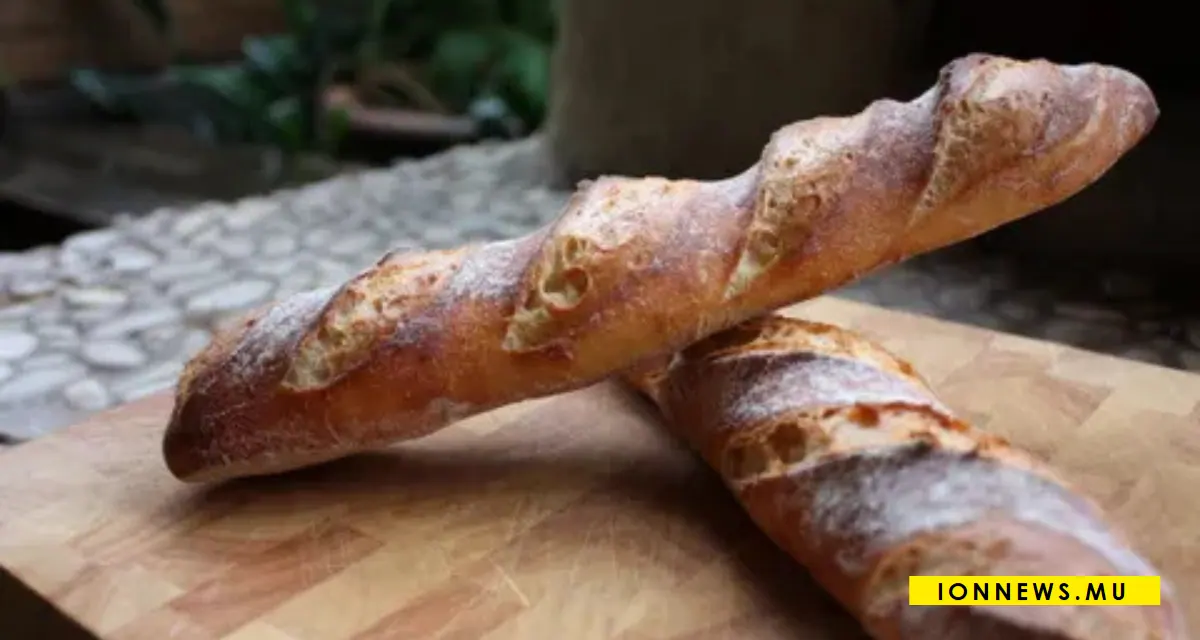
In Mauritius, a distinctive type of bread, known as "pain à l'ancienne," has carved out a niche in the local bakery market. Unlike ordinary white bread or traditional homemade bread, pain à l'ancienne is made using a natural starter, undergoes slow fermentation, and is baked directly on a stone hearth. This labor-intensive process gives the bread a crunchy crust, denser texture, and longer shelf life, while also making it more easily digestible due to the action of the starter's bacteria.
The production process of pain à l'ancienne differs significantly from that of ordinary bread, which relies on rapid industrial yeast fermentation for mass production at a lower cost. In contrast, pain à l'ancienne is made using a traditional method that requires skilled labor, specialized equipment, and high-quality ingredients. As a result, the bread has a unique flavor and texture that appeals to consumers seeking authentic, artisanal products.
One of the key differences between pain à l'ancienne and other types of bread is its economic model. Unlike homemade bread, which is subject to strict price controls as a staple food, pain à l'ancienne is sold in the free market. This allows bakers to use traditional or semi-wholemeal flours without being restricted by regulations. However, this also means that the cost of production is higher, due to the use of premium ingredients, energy-intensive baking, and skilled labor.
Despite the higher production costs and selling price, demand for pain à l'ancienne remains strong in Mauritius. Consumers are willing to pay a premium for bread that offers a unique taste experience and meets their expectations for quality and authenticity. Bakers are able to maintain their traditional craft in a rapidly changing economic environment by responding to this demand.
The popularity of pain à l'ancienne reflects a broader trend in Mauritius, where consumers are seeking out authentic, high-quality products that offer a unique experience. This trend is driven by a growing awareness of the importance of preserving traditional crafts and supporting local businesses. As a result, pain à l'ancienne has become an important part of the island's culinary heritage.
To meet the demand for pain à l'ancienne, bakers must navigate the challenges of rising ingredient costs, energy expenses, and the need for skilled labor. However, many artisans are committed to preserving this traditional craft, which requires a deep understanding of the bread-making process and a passion for creating high-quality products.
The resilience of pain à l'ancienne in Mauritius is a testament to the enduring appeal of traditional bread-making techniques. As consumers continue to seek out authentic, artisanal products, bakers are able to maintain their craft and pass it down to future generations.
Key points
- Demand for traditional bread remains strong in Mauritius despite higher prices.