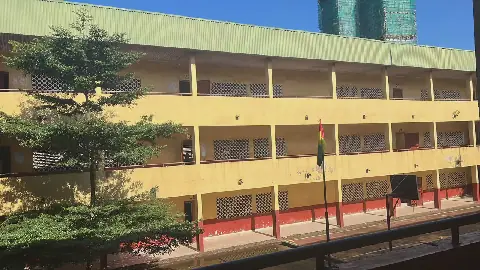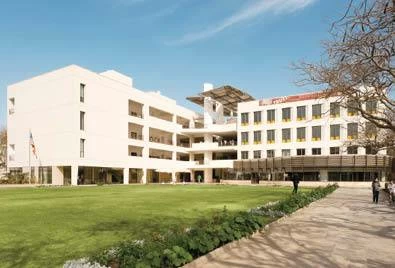
A recent wave of concern has swept through the Egyptian community following the mass resignation of 28 teachers from the International Preparatory School (IPS) in Obour. The school, which operates under a government-funded experimental model and offers an international curriculum accredited by Cambridge, has been left reeling from the sudden departure of its educators. According to a parent who appeared in a video addressing the issue, the school's management was taken over by a private company at the start of the academic year, which led to a breakdown in communication and trust between the teachers and the administration.
The parent explained that the company, which began managing the school after collecting tuition fees from parents, made promises to the teachers that were not fulfilled. Subsequently, the teachers were presented with what they considered to be unfair and stringent conditions, with no corresponding increases in salaries or benefits to encourage them to stay. This abrupt change in circumstances led to the mass resignation of the teachers, leaving the school without a sufficient number of educators to teach the international curriculum.
The situation has caused significant distress among parents, who are now worried about the impact on their children's education. With students attending school only to find that there are no teachers available to instruct them in the international curriculum, parents are questioning the school's ability to deliver on its promises. The parent in the video expressed concern about the difference between IPS and other government-funded experimental schools, especially given that parents have already paid the required fees.
The crisis has sparked a heated debate about the management and sustainability of international schools in Egypt, particularly those offering curricula such as Cambridge. The sudden departure of 28 teachers has raised questions about the school's preparedness for the new academic year and its ability to provide a stable learning environment for its students. As the situation continues to unfold, parents are calling for an immediate resolution to the crisis.
Education officials have yet to comment on the situation, but parents are growing increasingly frustrated with the lack of response. The school's administration has also remained silent on the issue, fueling speculation about the future of the school and the quality of education it can provide. With the academic year already underway, the pressure is mounting on authorities to intervene and find a solution to the crisis.
The incident has also raised concerns about the oversight and regulation of private companies managing public schools in Egypt. The fact that a private company was able to take over the management of a government-funded school, leading to such a significant disruption in education, has sparked questions about the accountability and transparency of such arrangements.
As the situation continues to develop, parents and students are anxiously awaiting a resolution to the crisis. The Egyptian Ministry of Education is expected to investigate the matter and take steps to address the concerns of parents and students. Three key points have emerged from the crisis: the need for greater oversight of private companies managing public schools, the importance of fair treatment and compensation for teachers, and the imperative of ensuring a stable and high-quality education for students.
Key points
- Mass resignation of 28 teachers at IPS Obour school leaves students without educators for international curriculum.
- Private company's management of school sparks concerns about accountability and transparency.
- Parents and students call for immediate resolution to crisis and greater oversight of school management.