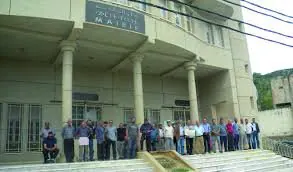
A month-long standoff between the residents of seven villages in Toudja, Algeria, and the municipal mayor has come to an end. The conflict, which led to the closure of the municipal office, was resolved through a reconciliatory meeting between the two parties. The meeting resulted in the office being reopened, bringing relief to the residents who were severely affected by the closure. The prolonged closure hindered various administrative and developmental activities in the region.
The dispute originated from the mayor's decision to cancel several projects approved by the Communal Planning Commission, which consisted of seven elected members. The cancelled projects included the rehabilitation of a road connecting several villages to the national highway RN 24. The residents, supported by ten out of thirteen members of the municipal assembly, insisted on the reinstatement of the original projects. They argued that the mayor's actions were not transparent and did not align with the needs of the community.
According to a representative of the protesting villages, the decision to call off their action was made after a meeting with the mayor, where he agreed to cancel the new operations he had registered with the wilaya for approval. The representative stated that the closure of the municipal office had negatively impacted the citizens, and the mayor's commitment to revisit his decisions was a significant factor in resolving the conflict.
Mayor Omar Mustapha justified the cancellation of the road rehabilitation project, citing a lack of financial resources and the need to prioritize projects based on urgency and impact. He mentioned that the allocated budget of 40 million dinars for the commune's development plans was insufficient to address the needs of its 52 villages. The mayor's proposed projects totaled 53 million dinars, exceeding the available budget.
The opposition members within the municipal assembly attributed the conflict to the mayor's opaque and personal management style, which they claimed was contrary to the principles of transparent and participatory governance. They emphasized the need for a more inclusive and regulated approach to managing the commune's affairs.
The resolution of the conflict has brought temporary relief to the residents of Toudja. However, the underlying issues of resource allocation and governance are expected to remain a challenge for the municipal administration. The incident highlights the importance of effective communication and collaboration between local authorities and residents in addressing community needs and priorities.
The reopening of the municipal office is expected to facilitate the resumption of essential services and developmental projects in Toudja. The residents and local authorities will need to work together to ensure that the commune's resources are utilized efficiently and that the needs of all villages are addressed. The mayor's commitment to revisiting his decisions and working with the residents is seen as a positive step towards resolving the conflict and promoting cooperation.
Key points
- The conflict in Toudja highlights the challenges of resource allocation and governance in local administrations.
- The resolution of the conflict was facilitated by a reconciliatory meeting between the mayor and the residents.
- The incident emphasizes the importance of transparent and participatory governance in addressing community needs and priorities.