Torrential rains have caused severe flooding in several towns across western Libya, leaving residents trapped in torrents of mud and without electricity or running water. The floods have affected areas south of Tripoli, including Mizda, Bani Walid, and Nasmah, where heavy rainfall is uncommon. Videos and images on social media show people trying to escape the mudflows, with some trapped in vehicles.
In Mizda, a town of fewer than 30,000 people in a semi-desert area, the floods have caused a widespread power outage after numerous electricity poles fell, as well as other damage and landslides. Municipal spokesman Omar Kachaka reported the damage to a local television channel. The town's infrastructure has been severely impacted, with roads and homes affected by the flooding.
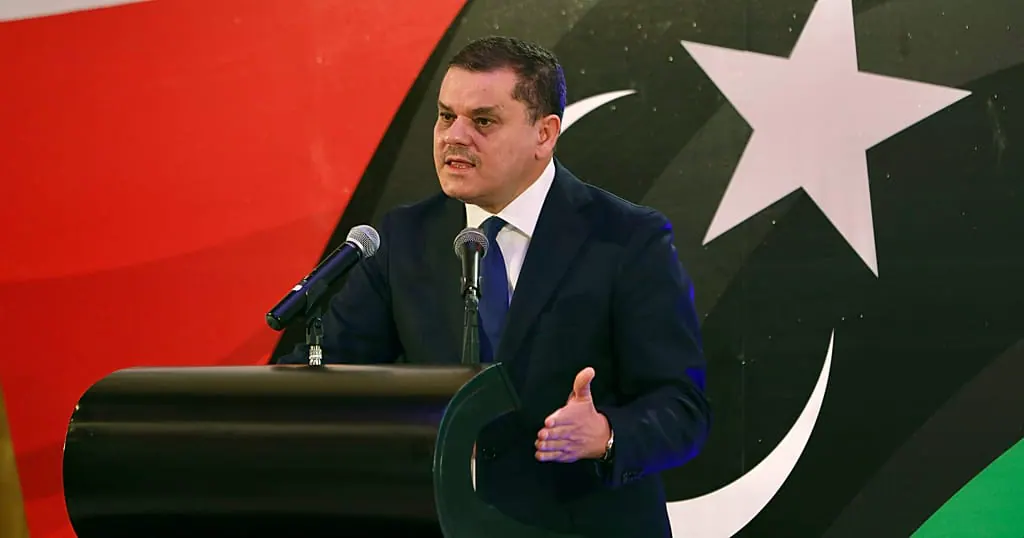
Rescue teams in the Bani Walid area, about 170 kilometres south of Tripoli, have been working to free residents trapped in vehicles swept away by the mudflows. The teams are struggling to reach affected areas, with roads blocked by debris and mud. Authorities have mobilized resources to support the rescue efforts, with Prime Minister Abdulhamid Dbeibah ordering a rapid response to the crisis.
The mayor of Nasmah town, Ahmed al-Sid, has declared the municipality a disaster zone due to extensive damage caused by the rain and overflowing wadis. The town, located about 150 km south of Tripoli, has suffered significant damage, with homes and businesses affected. The declaration of a disaster zone will enable the town to access emergency funding and support.
Prime Minister Dbeibah has stated that he is closely monitoring the situation and has ordered authorities to clear roads, restore electricity, drinking water, and telecommunications. His office has confirmed that resources are being mobilized to support affected areas, with a focus on providing emergency assistance to residents.
While authorities have not confirmed any deaths, the flooding has caused significant disruption to daily life in affected areas. Residents are without essential services, including electricity and running water, and are struggling to cope with the aftermath of the floods. The full extent of the damage is still being assessed, with teams working to reach isolated areas.
The Libyan government has faced criticism for its response to natural disasters in the past, with many calling for improved emergency response systems. The current response efforts will be closely watched, with residents and international observers assessing the effectiveness of the government's actions.
Key points
- Prime Minister Abdulhamid Dbeibah orders authorities to mobilise resources in affected areas
- Extensive damage reported in towns of Mizda, Bani Walid, and Nasmah
- Authorities have not confirmed any deaths, but residents are without essential services