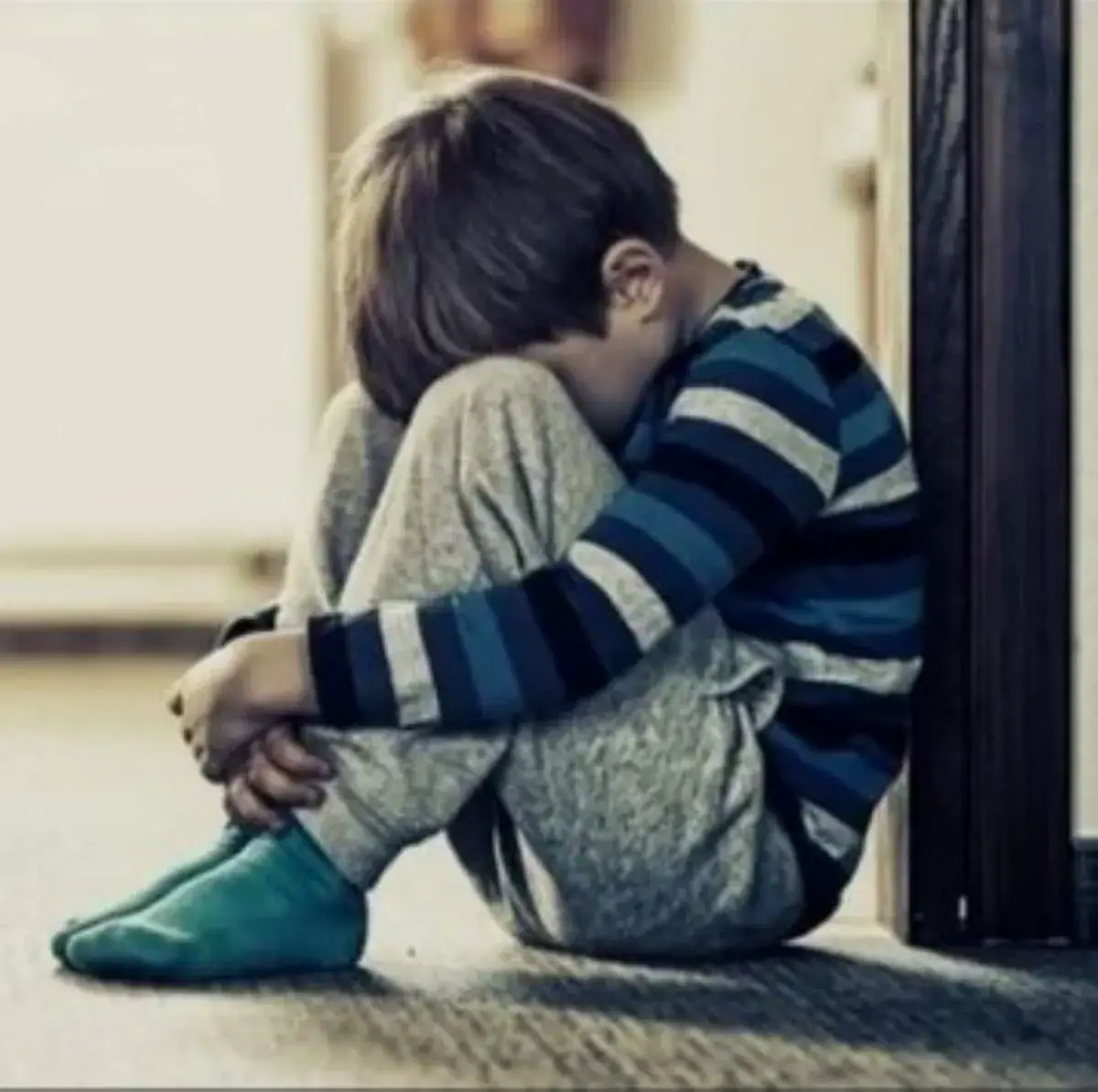
Childhood is a critical stage of emotional, social and psychological development, during which children rely on parents, caregivers and other trusted adults for protection, stability and emotional support. However, certain experiences can disrupt their sense of safety and affect how they understand themselves and relate to others. In Nigeria, as in many other countries, childhood psychological trauma can develop following experiences that overwhelm a child's ability to cope, particularly when they involve repeated fear, neglect, violence, rejection or loss.
Physical and emotional abuse are two common childhood experiences that can cause significant psychological trauma. Child abuse can involve hitting, beating, threats, intimidation, humiliation, rejection or other forms of harmful treatment. Physical abuse can leave a child frightened of the person responsible for their care, while emotional abuse can damage a child's sense of worth and security. According to the Nigerian Tribune, children who experience abuse may develop anxiety, depression, shame, aggression, difficulties trusting others or symptoms associated with post-traumatic stress.
Bullying and repeated humiliation are also prevalent experiences that can affect a child's emotional well-being, particularly when they happen repeatedly and the child feels unable to stop them or get help. Bullying can involve physical attacks, insults, threats, social exclusion, intimidation or cyberbullying. Children who are repeatedly mocked, humiliated or targeted by peers can feel unsafe and isolated, which may contribute to low self-esteem, anxiety, depression, social withdrawal and fear of attending school.
Emotional neglect is another childhood experience that can have long-lasting effects on a child's emotional development. Children need more than food, clothing and shelter; they also need affection, attention, reassurance and emotional support from the adults responsible for their care. Emotional neglect occurs when a child's emotional needs are repeatedly overlooked or dismissed, which can affect self-esteem, trust and the ability to form healthy relationships.
Witnessing domestic violence and frequent conflict can also be traumatic for children, who do not have to be directly attacked to be affected by violence or hostility at home. Repeatedly witnessing physical abuse, threats, intimidation or intense arguments between parents and other household members can be deeply distressing. Exposure to domestic violence can affect a child's understanding of safety and relationships, leading to anxiety, fear or aggression.
Other childhood experiences that can cause lasting psychological trauma include the death of a loved one, divorce, unstable or unpredictable caregiving and parental addiction or serious illness. Losing someone close can disrupt a child's sense of security and familiarity, while divorce can leave children feeling confused, rejected or insecure. Unstable caregiving and parental addiction or serious illness can also interfere with a child's ability to develop trust and a sense of safety.
It is essential for parents, caregivers and other trusted adults to be aware of the potential effects of these childhood experiences and provide support and protection to children who have been affected. By acknowledging the impact of childhood trauma and working to prevent it, we can help children develop resilience and promote healthy emotional development. The Nigerian Tribune has highlighted nine common childhood experiences that can contribute to psychological trauma, emphasizing the need for safeguarding actions and support for affected children.
Key points
- Physical and emotional abuse can cause significant psychological trauma in children.
- Bullying and repeated humiliation can affect a child's emotional well-being and contribute to low self-esteem and anxiety.
- Emotional neglect can affect a child's self-esteem, trust and ability to form healthy relationships.
Reporting sources
- 9 common childhood experiences that can cause psychological trauma · Nigerian Tribune