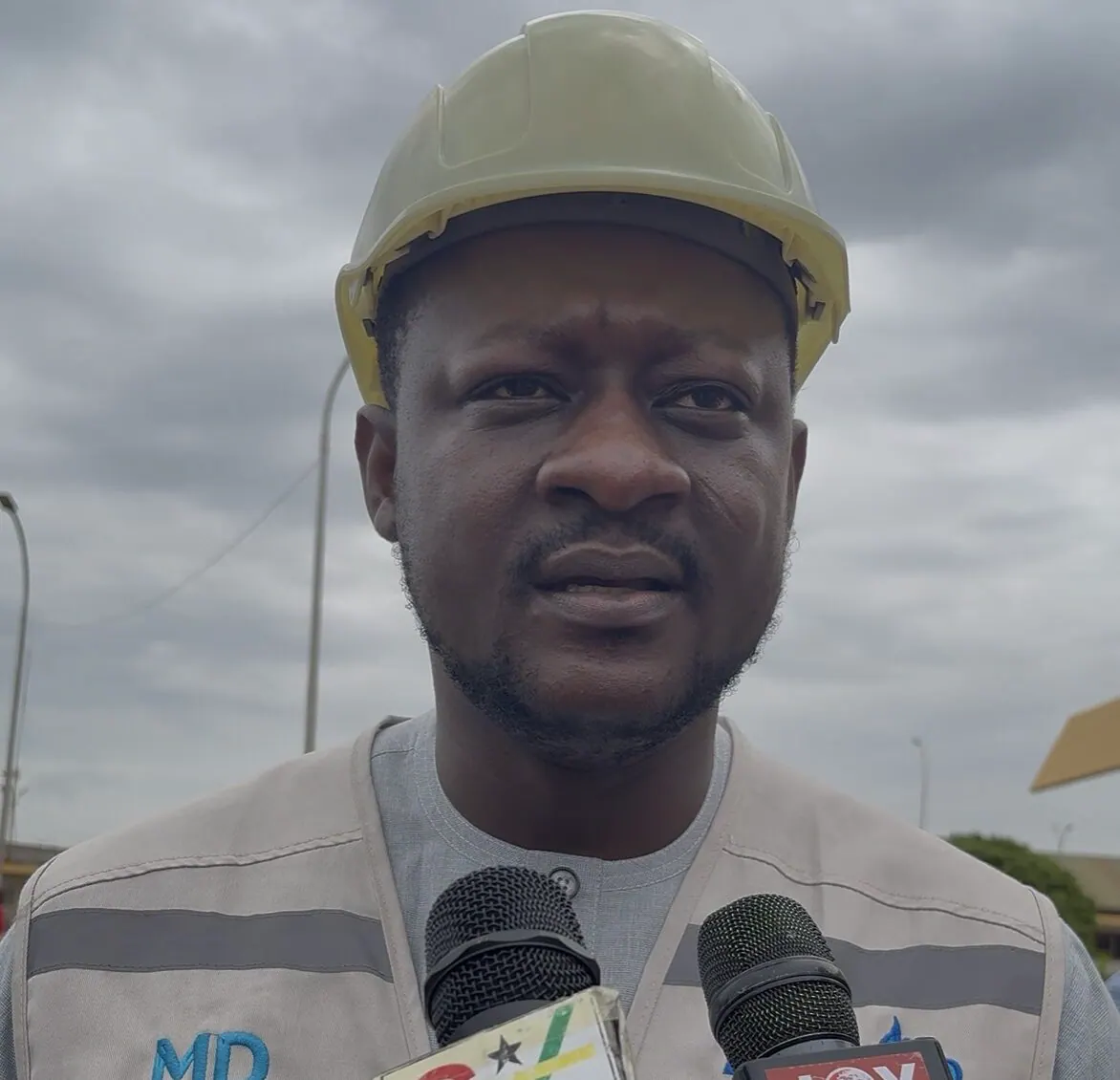
The Tema Oil Refinery (TOR) in Ghana has made significant strides in rebuilding confidence among its suppliers and boosting its internally generated funds. According to Managing Director Edmond Kombat, the refinery faced substantial operational and financial challenges, including unpaid terminal benefits and maintenance needs. These issues had led to a loss of confidence among petroleum product suppliers, making it difficult for the refinery to operate effectively.
At the time, Bulk Distribution Companies (BDCs) and Oil Marketing Companies (OMCs) were reluctant to store petroleum products at TOR due to concerns over losses and accountability. This led to a considerable mistrust in the refinery, with some companies hesitant to bring in products. Mr. Kombat engaged with BDCs, OMCs, and petroleum suppliers from neighbouring Sahelian countries, assuring them that products brought to TOR would be properly accounted for.
The efforts to restore confidence were successful, particularly after some companies received their products in full. Mr. Kombat had assured the companies that if they brought their petroleum products to TOR, not a litre of it would be lost. The successful handling of the first consignments helped spread positive feedback about the refinery, resulting in a significant increase in requests for storage.
At one point, TOR's available storage capacity could not meet the number of requests it was receiving. The increased business enabled the refinery to generate revenue from storage, product transfers, and rack operations, which subsequently formed part of its internally generated funds. These funds were used to support maintenance activities, including the commencement of turnaround maintenance on the Crude Distillation Unit (CDU).
TOR also received dividends from its shareholding in the Ghana Petroleum Mooring Systems (GPMS), which were channelled into maintaining the facility. The refinery had to address several outstanding obligations inherited from previous periods, including unpaid terminal benefits owed to retired and former employees.
Mr. Kombat attributed the turnaround in the refinery's fortunes partly to a renewed sense of ownership and accountability among staff. He said employees were reminded that the refinery was their own and that they had a role to play in its success. This new sense of ownership and accountability helped to increase productivity and efficiency at the refinery.
The Managing Director's efforts have resulted in a boost to TOR's internally generated funds, which will be used to continue improving the refinery's operations and maintenance. The refinery's turnaround maintenance on the CDU and other maintenance activities are expected to improve its overall performance and efficiency.
Key points
- TOR's internally generated funds have increased due to rebuilt confidence among suppliers.
- The refinery has addressed outstanding obligations, including unpaid terminal benefits.
- A renewed sense of ownership and accountability among staff has contributed to the refinery's turnaround.