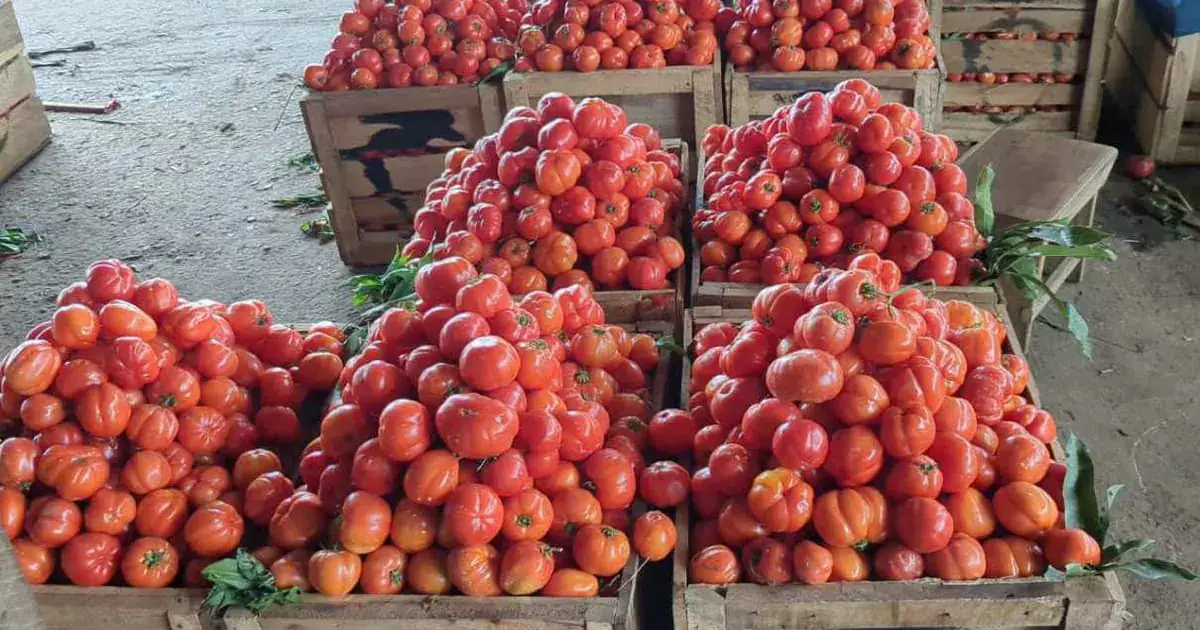
Tomato traders in Ghana's Ashanti Region are expressing concern over dwindling sales and reduced consumption of tomatoes, despite a significant drop in prices. The traders, operating in various markets across the region, say the reduction in prices has failed to attract the expected number of customers, leaving large quantities of the perishable commodity unsold. This situation has become a major source of worry for the traders.
According to the traders, they are struggling to recover their investments while tomatoes risk going bad due to prolonged storage and poor sales. In an interview, the traders expressed disappointment that consumers were still reluctant to purchase tomatoes even at relatively lower prices. They noted that although the reduction in prices should ordinarily encourage increased purchases and consumption, the opposite was happening, with patronage remaining discouragingly low.
The traders warned that continued low demand could worsen their financial difficulties, particularly because tomatoes are highly perishable and cannot be stored for extended periods without appropriate preservation facilities. They are therefore appealing to consumers to take advantage of the reduced prices to increase their purchases and help prevent unnecessary wastage. This appeal comes as the traders face significant financial losses due to the low sales.
Nana Abena Serwaa, the Ashanti Regional Queen Mother of the Tomato Traders Association, has appealed to the government to urgently introduce practical interventions to address the challenges confronting tomato farmers and traders. She specifically called for the establishment of tomato processing factories across the country to provide sustainable avenues for preserving excess produce, particularly during periods of bumper harvest.
According to Nana Abena Serwaa, the absence of adequate processing and preservation facilities continues to expose tomato farmers and traders to significant post-harvest losses whenever supply exceeds demand. She explained that establishing processing factories would provide an alternative market for tomatoes that cannot be sold fresh, thereby reducing wastage and protecting the investments of farmers and traders.
Nana Abena Serwaa believes that such facilities would also help regulate the supply of fresh tomatoes on the market, prevent sudden price fluctuations and ensure that the commodity remains available for consumption throughout the year. She stressed that government intervention is necessary to protect the livelihoods of thousands of people engaged in tomato production, transportation, wholesale and retail trading.
The establishment of processing facilities could provide a lasting solution by converting excess fresh tomatoes into tomato paste, puree and other processed products for both domestic consumption and export. Industry players have consistently identified post-harvest losses as one of the major challenges confronting Ghana's agricultural sector. Tomatoes remain an important ingredient in Ghanaian households and are widely used in the preparation of various local dishes.
Key points
- The traders are appealing to consumers to take advantage of the reduced prices to increase their purchases and help prevent unnecessary wastage.
- The Ashanti Regional Queen Mother of the Tomato Traders Association, Nana Abena Serwaa, has appealed to the government to establish tomato processing factories across the country.
- The establishment of processing facilities could provide a lasting solution to post-harvest losses in Ghana's agricultural sector.