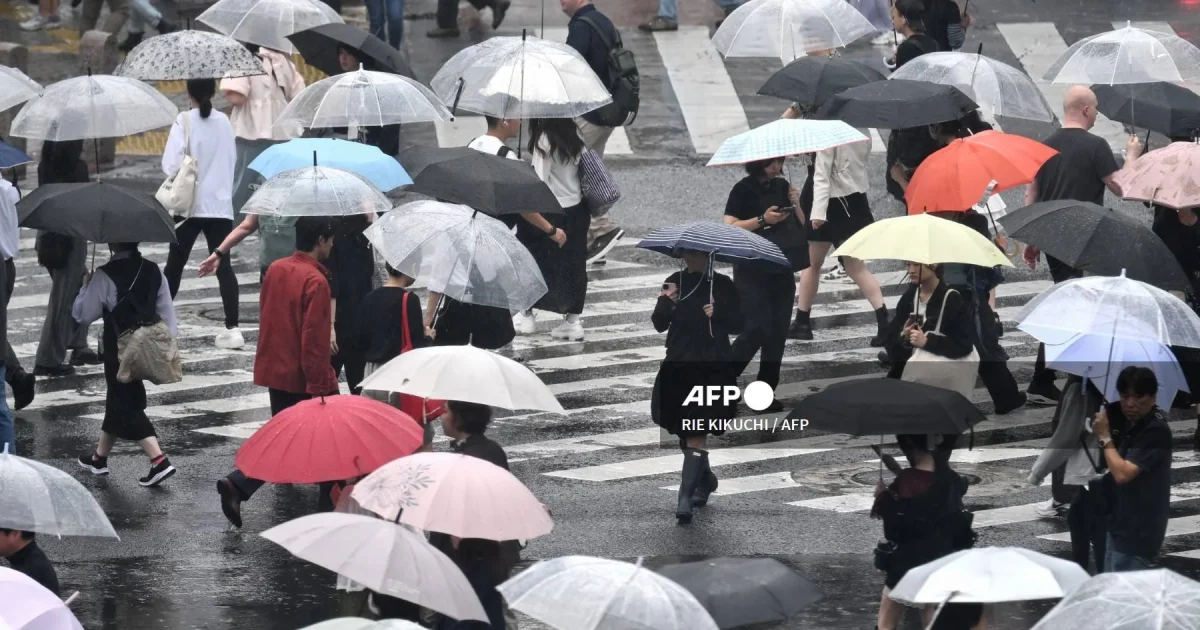
Tokyo, Japan's capital, has recorded 34 consecutive days of rain, marking the longest streak on record, according to the Japan Meteorological Agency. This unusual weather pattern is attributed to climate change and the El Nino phenomenon. The rainy season in Tokyo is typically in June, but the city has experienced heavy downpours throughout the summer months, resulting in severe flooding in the wider Tokyo region.
Climate change, fueled by fossil fuel emissions, increases moisture in the atmosphere, making heavy rain more likely. The El Nino phenomenon, which affects wind patterns, air pressure, and cloud formations, also plays a role in shaping the current weather. Masayuki Kyoda, an official at the Japan Meteorological Agency, stated that El Niño has contributed to the distinctive weather patterns in Tokyo this month.
According to Kyoda, a high-pressure system in the Pacific is lingering longer than usual, causing the autumn rain fronts to persist. Although it is challenging to directly link the streak to climate change, a JMA report last year concluded that global warming is impacting Japan's weather in the long term, including increased precipitation. This suggests that Tokyo's unusual weather may be part of a larger trend.
The current record-breaking streak surpasses the previous record of 33 consecutive rainy days in 2019. Kazuhiro Hirono, another JMA official, confirmed that the 34-day streak is the longest since records began in 1886. This extreme weather has resulted in significant rainfall in central Tokyo, with 629 millimeters of rain recorded in September, nearly three times the normal level.
The heavy rainfall in Tokyo is approaching the September record of 670.9 millimeters set in 1958. The persistent rain has caused concerns about flooding and its impact on the city's infrastructure. Meanwhile, other parts of Asia are also experiencing severe weather conditions, with 1.7 million people affected by recent flooding in Thailand, resulting in 23 deaths since mid-September.
The Japan Meteorological Agency continues to monitor the situation, providing updates on the weather patterns. The agency's reports suggest that global warming is having a lasting impact on Japan's climate, leading to more frequent and intense weather events. As the situation develops, residents and authorities in Tokyo remain vigilant, taking precautions to mitigate the effects of the prolonged rainy period.
The record-breaking streak of rainy days in Tokyo serves as a reminder of the importance of preparedness and resilience in the face of extreme weather events. As climate change continues to influence global weather patterns, cities like Tokyo must adapt and develop strategies to cope with the increasing frequency and severity of such events.
Key points
- Tokyo logs 34 consecutive days of rain, longest streak on record
- Climate change and El Nino contribute to unusual weather patterns in Tokyo
- Record-breaking streak surpasses previous record set in 2019