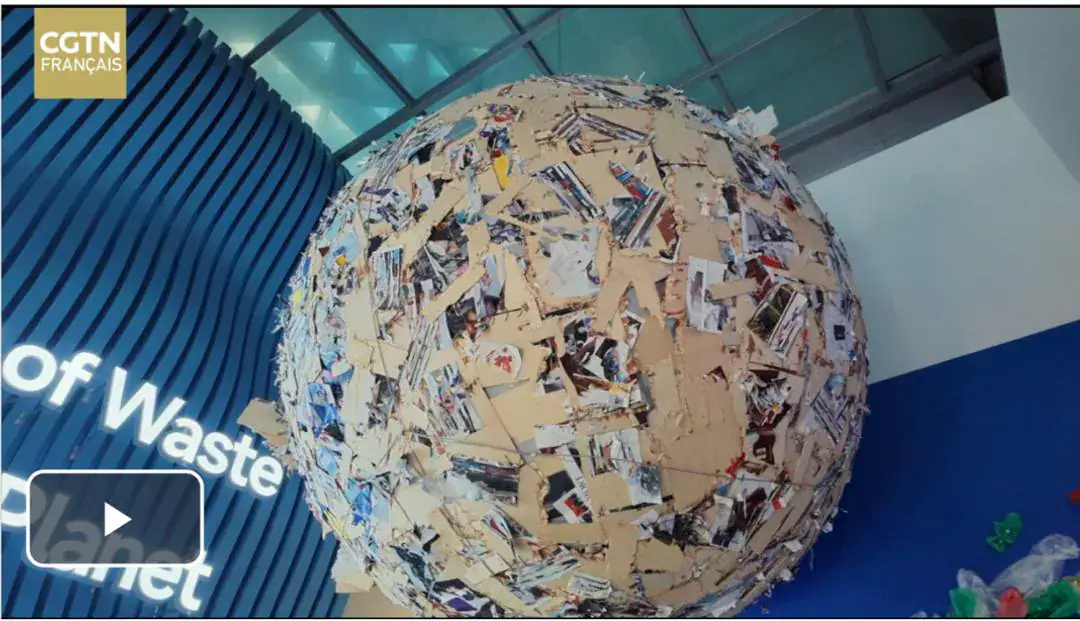
The Togolese people, like many others around the world, often discard objects without a second thought, rarely considering their eventual destination. An article by Dzikodo Dimas in Forum de la Semaine highlights a waste treatment plant in Shenzhen, China, that has taken steps to change this mindset. By opening its doors to the public, the plant provides a unique glimpse into the often-overlooked world of waste management. This initiative aims to educate people about the fate of their discarded items and encourage them to think more critically about their role in waste management.
Shenzhen, a major city in China, has implemented an innovative approach to tackle its waste management challenges. The waste-to-energy plant, which serves as a model for sustainable waste disposal, has been designed to convert waste into energy. This approach not only helps to reduce the volume of waste sent to landfills but also generates power for the local community. As the world grapples with the complexities of waste management, Shenzhen's example offers valuable insights into the potential for waste-to-energy solutions.
The Shenzhen plant's decision to open its doors to the public is seen as a significant step towards promoting transparency and awareness about waste management. By allowing people to witness firsthand the processes involved in waste treatment, the plant aims to foster a greater understanding of the importance of responsible waste disposal. This move is particularly relevant in the context of Togo, where waste management remains a significant challenge. According to recent reports, the country is working to improve its waste management infrastructure.
In Togo, the issue of waste management is closely tied to the country's broader development goals. The government has been working to improve waste management infrastructure, with a focus on promoting sustainable practices and reducing the environmental impact of waste disposal. The article by Dzikodo Dimas highlights the relevance of Shenzhen's experience to Togo's own waste management challenges, suggesting that the Chinese city's approach could offer valuable lessons for the West African nation.
One of the key challenges facing Togo in its efforts to improve waste management is the lack of adequate infrastructure. The country's existing waste management facilities are often overwhelmed, leading to significant environmental and health concerns. In this context, the experience of Shenzhen's waste-to-energy plant offers a potential model for Togo to consider. By adopting similar approaches, Togo may be able to make progress in addressing its waste management challenges.
The article by Dzikodo Dimas also touches on the broader implications of waste management for sustainable development. As the world grapples with the challenges of climate change, environmental degradation, and urbanization, effective waste management has become an increasingly important issue. The experience of Shenzhen's waste-to-energy plant highlights the potential for innovative solutions to drive progress in this area, and the importance of international cooperation and knowledge-sharing in addressing global challenges.
As Togo and other countries continue to grapple with the complexities of waste management, the example of Shenzhen's waste-to-energy plant serves as a valuable reminder of the importance of innovative thinking and collaboration. By exploring new approaches to waste management and learning from the experiences of others, countries can make progress in addressing this critical issue and promoting more sustainable development outcomes.
Key points
- Shenzhen's waste-to-energy plant serves as a model for sustainable waste disposal.