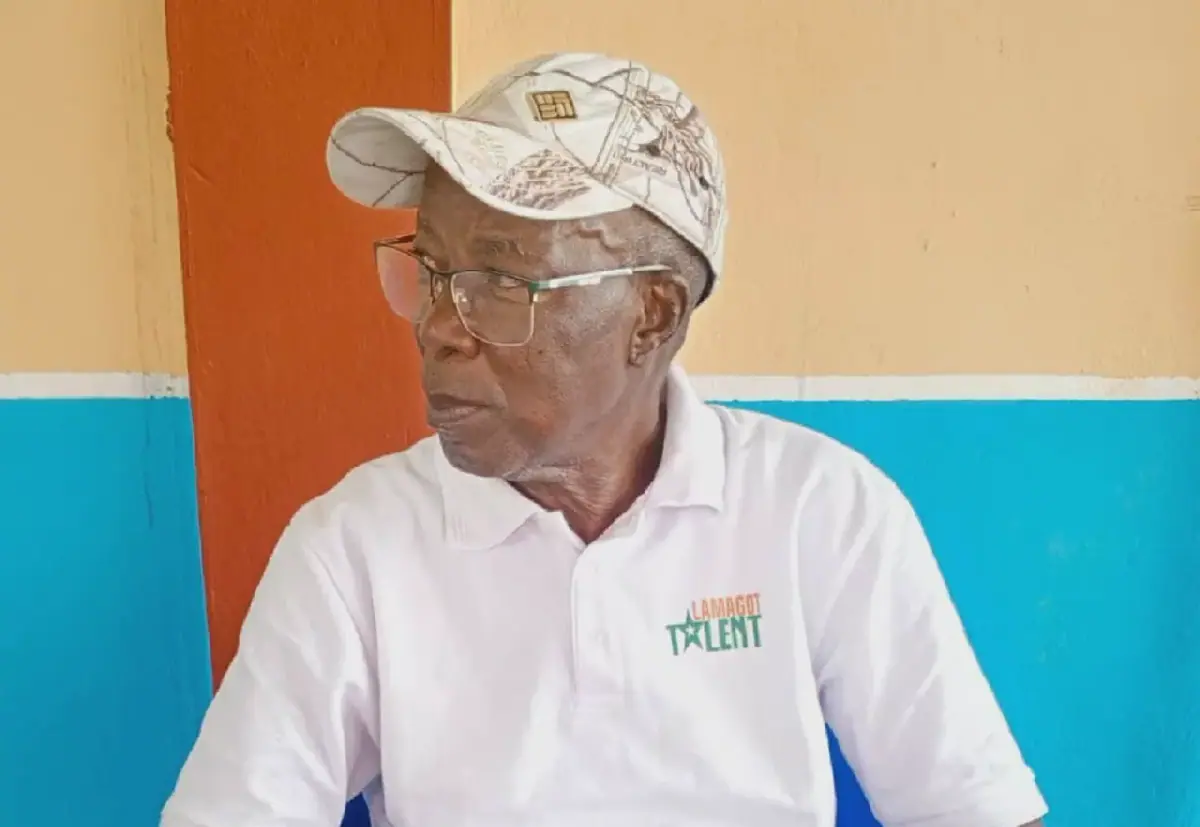
Mèwènèmesse K. Apolinaire, a 73-year-old veteran journalist in Togo, has been under judicial control since his release from prison on April 9, 2024. He was arrested on March 26, 2024, and held for two weeks following the publication of an article on February 28, 2024, in his newspaper, La Dépêche. The article, which questioned the role of General Félix KADANGA Abalo in the assassination of Colonel Madjoulba, led to Apolinaire's suspension for three months by the Haute Autorité de l'Audiovisuel et de la Communication (HAAC).
This is not Apolinaire's first encounter with the Togolese authorities and judiciary. In 1998, he was sentenced to three months in prison for an article titled "Insécurité au Togo: Les dessous d'un fléau qui nous menace," which highlighted the causes of insecurity in the country and implicated some politicians, security forces, and army personnel. However, in 1999, President Eyadéma Gnassingbé publicly apologized to Apolinaire, acknowledging that the journalist had been right to expose the issue.
La Dépêche, the newspaper founded by Apolinaire, has been in publication for several decades and is considered one of the most professional private newspapers in Togo. Despite Apolinaire's troubles with the HAAC and the judiciary, the newspaper has maintained a reputation for professionalism. The ongoing judicial control has raised concerns among press freedom organizations, including Reporters Sans Frontières and Amnesty International, which had previously called for Apolinaire's release.
Apolinaire's current situation has sparked debate about the role of the judiciary and regulatory bodies in Togo. The journalist's lawyer and supporters argue that the prolonged judicial control is unjustified, given Apolinaire's advanced age and the fact that he has already served a prison sentence. They also point out that the HAAC and the judiciary have not provided clear reasons for the ongoing control.
The case has also raised questions about press freedom in Togo and the ability of journalists to criticize those in power. Apolinaire's supporters argue that the government and regulatory bodies should respect the rights of journalists to report on issues of public interest without fear of reprisal. The Togolese government has not commented on the case, but the HAAC and the judiciary are expected to make a decision on Apolinaire's status soon.
According to Samari Tchadjobo, the issue at hand is whether the Togolese authorities will finally lift the judicial control and allow Apolinaire to regain his full freedom. The case has been closely followed by press freedom organizations and human rights groups, both locally and internationally.
As the situation continues to unfold, one thing is clear: Mèwènèmesse K. Apolinaire's case has significant implications for press freedom and the role of the judiciary in Togo. The outcome will likely have far-reaching consequences for the country's journalists and the ability of the press to hold those in power accountable.
Key points
- Veteran journalist Mèwènèmesse K. Apolinaire faces prolonged judicial control in Togo.
- Apolinaire was arrested and imprisoned in 2024 for an article criticizing the country's authorities.
- The case has raised concerns about press freedom and the role of the judiciary in Togo.