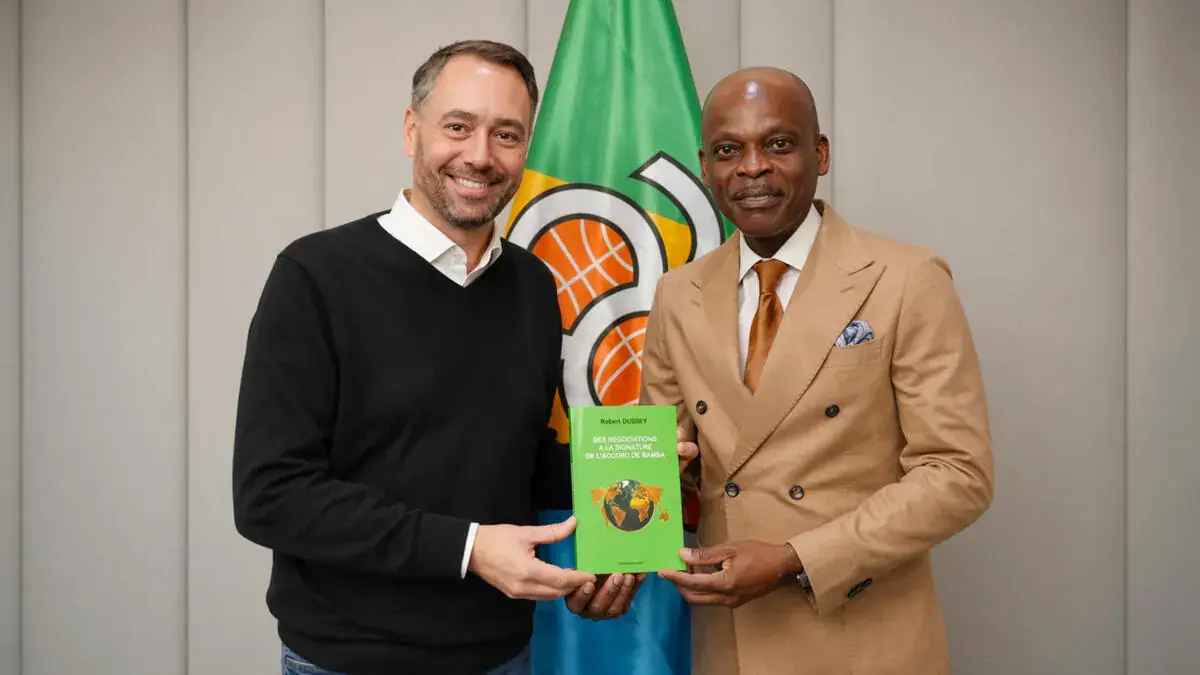
On November 8, Togo's Foreign Minister Robert Dussey dedicated his latest book in Brussels, detailing the lengthy negotiations that led to the Samoa Agreement between the European Union and the Organization of African, Caribbean and Pacific States (OEACP). The event took place on the sidelines of the 65th session of the Parliamentary Assembly of the OEACP. Notable attendees included Maxime Prévot, Belgian Vice Prime Minister and Foreign Minister.
As the chief negotiator for OEACP countries from 2018 to 2021, Dussey led one of the most extensive international negotiations of the past decade on behalf of 79 countries. The goal was to succeed the Cotonou Agreement, signed in 2000, which governed European relations with African, Caribbean and Pacific countries for twenty years. Discussions began in September 2018 but were prolonged due to a lack of agreement, necessitating several extensions of the Cotonou Agreement after its expiration in 2020.
The negotiations involved reconciling diverse interests, with sensitive topics such as migration, returns and readmission, and certain societal issues like sexual and reproductive health. Despite challenges, the text was finally initialed in April 2021. However, the signature process was delayed due to opposition from several EU member states, including Hungary.
The Samoa Agreement was eventually signed on November 15, 2023, in Apia, Samoa. The agreement sets the framework for a twenty-year partnership, covering areas such as peace and security, governance, economic development, environment and migration. It includes three regional protocols, one of which is dedicated to Africa.
As a key figure in the negotiations, Dussey's book provides an insider's perspective on the complex discussions that shaped the agreement. His experience as chief negotiator equipped him with a unique understanding of the challenges and compromises involved in reaching a consensus among the parties.
The Samoa Agreement aims to strengthen cooperation between the EU and OEACP countries, promoting sustainable development and addressing global challenges. The agreement's scope and protocols reflect the diverse needs and priorities of the signatory countries.
The signing of the Samoa Agreement marks a significant milestone in European-African-Caribbean-Pacific relations. As the agreement enters into force, its implementation will be closely watched by stakeholders, with expectations high for enhanced cooperation and development outcomes.
Key points
- The Samoa Agreement was signed on November 15, 2023, in Apia, Samoa, after five years of negotiations.
- The agreement sets the framework for a twenty-year partnership between the EU and OEACP countries.
- Robert Dussey's book provides an insider's account of the negotiations, offering insights into the challenges and compromises involved.
Reporting sources
- De Cotonou à Samoa : Robert Dussey raconte cinq ans de négociations · republicoftogo.com