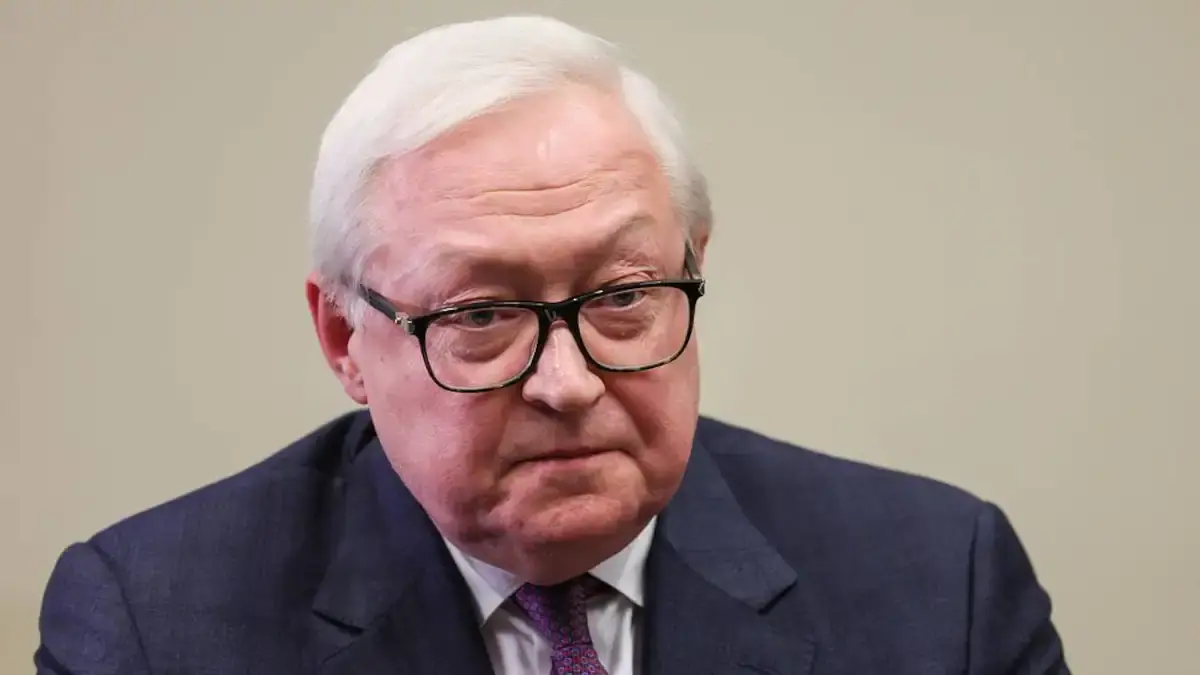
Delegations from Russia, Ukraine, and the United States met in Abu Dhabi, United Arab Emirates, on November 10, 2026, for nearly four hours without any European representatives present. This marks the first meeting of this format since February, following three rounds of discussions earlier in the year that yielded no significant progress. Ukrainian delegation head Roustem Oumerov noted that the day began with a meeting between his team, US emissaries, and representatives from the UK, France, Germany, Italy, NATO, and the European Commission.
The three delegations then proceeded to sit alone, as Moscow refuses to include Europeans in this specific framework, although they may join later. US emissary Jared Kushner set the tone, stating that Washington aims to create a new framework and understanding based on past institutions and agreements. He emphasized that the goal is to establish a guide for decades, or even centuries, of peace. This position aligns with his previous statement that a comprehensive and lasting settlement will require direct engagement between Russia and European partners on broader security arrangements.
Kushner's stance has been welcomed by Russian Foreign Minister Sergueï Lavrov, who praised the proposal to prioritize collective security in Ukrainian settlement talks. This idea was also floated by Donald Trump last week, who spoke of a "grand agreement" on European security involving more than just Ukraine. However, some Europeans view these proposals as too accommodating to Moscow, with German Chancellor Friedrich Merz expressing skepticism, saying he has "no excessively high expectations."
Despite displaying intentions of peace, the two delegations have not bridged their differences. Oumerov stated that their populations expect an end to the war and hope for a durable peace for Ukraine. Russian delegation head Vladimir Medinski responded that he hopes the meeting will advance "the path of peace, in the interest of the Russian and Ukrainian people." The gap between their positions remains significant, with Vladimir Poutine demanding Ukraine's withdrawal from four annexed regions and abandonment of NATO candidacy, while Volodymyr Zelensky rejects territorial concessions and insists on a ceasefire.
The conflict continues to escalate, with both sides reporting ongoing strikes. The Ukrainian air force reported 162 drones and one ballistic missile launched by Russia overnight, while the Russian Defense Ministry claims to have downed 155 Ukrainian drones over eight regions and Crimea. As the war approaches its fifth year, a lasting resolution remains elusive. The Ukrainian and Russian delegations have agreed to continue negotiations, but a breakthrough seems uncertain.
The absence of European representatives from the talks has raised concerns among some EU member states. They fear that Moscow may be trying to divide the international community and undermine European unity on the Ukraine issue. The European Commission and NATO have not commented on their exclusion from the talks, but it is clear that the Ukraine conflict remains a pressing concern for global leaders.
The Abu Dhabi talks have highlighted the complexities of the Ukraine conflict and the challenges of finding a peaceful resolution. With multiple stakeholders involved, including Russia, Ukraine, the US, and European nations, a consensus on a lasting settlement seems difficult to achieve. The international community remains engaged, with diplomatic efforts ongoing to find a solution that addresses the concerns of all parties involved.
Key points
- Russia refuses to include European representatives in Ukraine talks
- US and Russia express willingness to negotiate a peaceful resolution
- Ukraine conflict approaches its fifth year with no lasting resolution in sight
Reporting sources
- Négociations sur l'Ukraine : les Européens absents de la table à Abu Dhabi · La Nouvelle Tribune