The Togolese healthcare system is undergoing significant changes, with the Centre Hospitalier Universitaire (CHU) Campus de Lomé recently completing modernization works. Dr. Kalao Assima Essodom, Director General, announced the introduction of new services, including interventional cardiology, intensive care, and advanced imaging capabilities such as MRI and mammography. These upgrades aim to improve healthcare outcomes, but concerns arise about the associated costs and their impact on the population's right to healthcare.
A new tariff grid for MRI exams, effective August 21, 2026, has raised concerns about accessibility. The grid establishes three pricing tiers based on patients' insurance status: those without insurance, those insured under the Universal Health Insurance (AMU) scheme, and those with private complementary insurance. For instance, an MRI scan of a single organ or region now costs 85,000 CFA francs for uninsured patients, 102,000 CFA francs for AMU-insured patients, and 120,000 CFA francs for those with private complementary insurance.
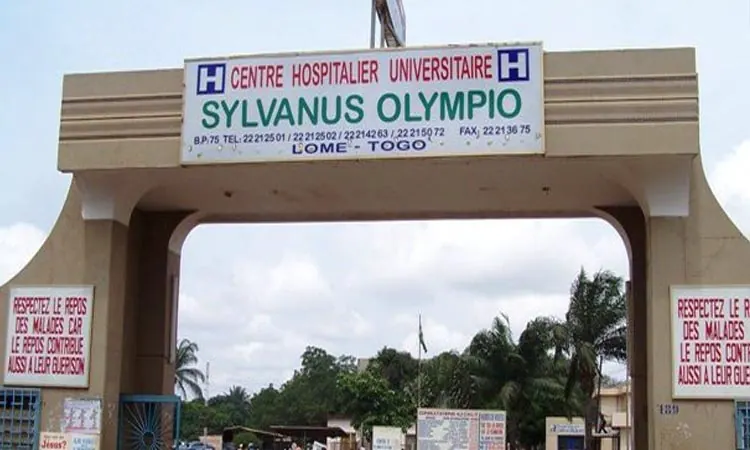
The modernization of Togo's public hospitals has been supported by international partners, including France, which has provided 70 billion CFA francs in funding for the CHU Kara. However, the simultaneous introduction of higher tariffs has sparked concerns that these investments may not be translating into more equitable access to healthcare for all Togolese citizens. The CHU Sylvanus Olympio has also introduced a subcontracted scanner service, further fueling concerns about the commercialization of healthcare.
The Togolese government has an obligation to ensure that its citizens have access to quality healthcare, as enshrined in the country's laws and international commitments. Public healthcare centers are expected to guarantee equitable access, equal treatment, and preferential tariffs for vulnerable populations. Critics argue that the new tariff grid may undermine these principles, particularly for those who cannot afford the increased costs.
The Ministry of Health is under pressure to address these concerns and ensure that the healthcare system prioritizes the needs of all Togolese citizens, regardless of their economic status. The issue of contractualization in the healthcare sector has also been raised, with some arguing that it has not contributed positively to the country's healthcare system. The Minister of Health will need to navigate these complex issues to ensure that Togo's public hospitals remain accessible and affordable for all.
The CHU Campus de Lomé's modernization has introduced new services, including a polyvalent intensive care unit, a nephrology service with specialized consultations and dialysis, and a stomatology service with advanced imaging capabilities. While these upgrades are welcome, the associated costs and their impact on the population's access to healthcare must be carefully managed. The government must balance the need for quality healthcare with the need for affordability and equity.
Ultimately, the success of Togo's healthcare reforms will depend on the government's ability to balance competing priorities and ensure that the needs of all citizens are taken into account. The introduction of new tariffs and services must be carefully managed to prevent unequal access to healthcare and ensure that the country's public hospitals remain committed to their core mission of providing quality care to all.
Key points
- Togo's public hospitals are modernizing, but new tariffs for MRI exams and other services have sparked concerns about equitable access to healthcare.
- The Togolese government has an obligation to ensure that its citizens have access to quality healthcare, as enshrined in the country's laws and international commitments.
- The Ministry of Health must address concerns about the commercialization of healthcare and ensure that the healthcare system prioritizes the needs of all Togolese citizens.