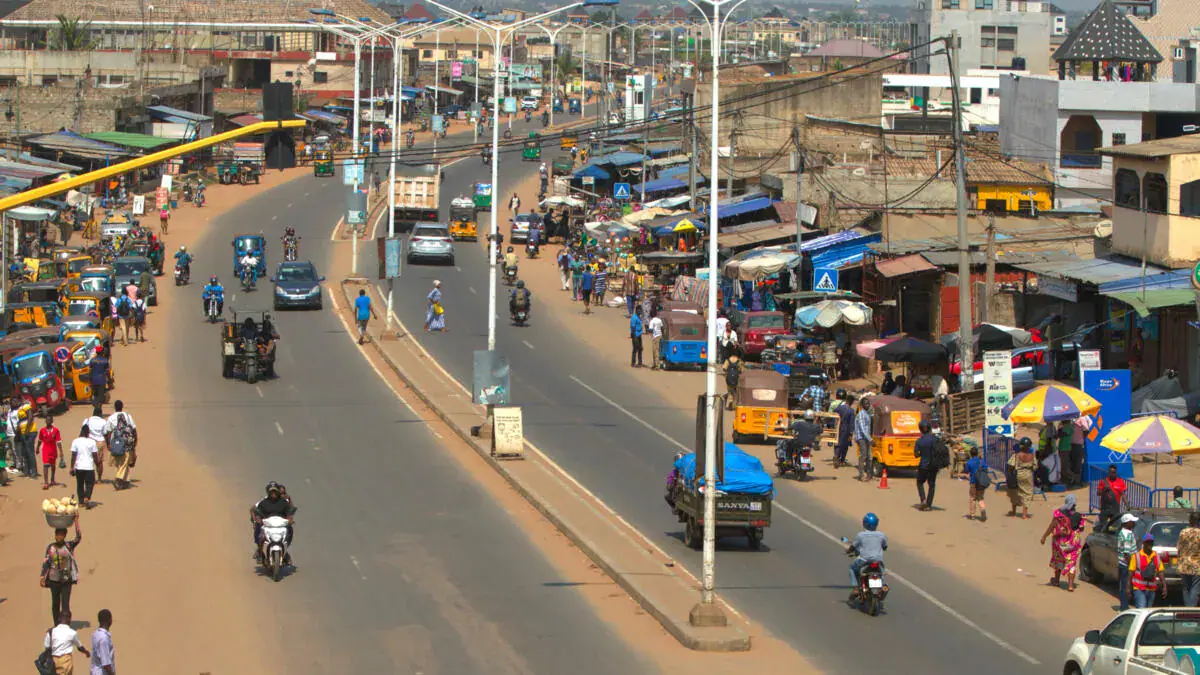
The Togolese opposition's call for a 'dead city' day on Friday, November 20, 2026, failed to gain traction. Despite the opposition's efforts to declare the day a national day of mourning, life in Lomé, the capital city, went on as usual. Residents went about their daily business, with markets, offices, and roads operating normally. The city's main market, Adawlato, was bustling with activity, with traders opening their stalls and customers milling about.
The opposition had planned the 'dead city' day as a show of protest, but it seems that many Togolese were not aware of or did not heed the call. In the administrative district, civil servants were seen working, stamping and signing documents with apparent enthusiasm. Even the informal sector, which is a significant part of the country's economy, continued to operate as usual. At the port of Lomé, workers went about their duties, loading and unloading cargo.
One of the main reasons for the failure of the 'dead city' day was the economic reality faced by many Togolese. As one trader pointed out, "We live from day to day. No one pays us at the end of the month. Let us work." For many people, staying home on a Friday is a luxury they cannot afford. The opposition's call for a day of protest was seen as unrealistic and out of touch with the daily struggles of ordinary Togolese.
Another factor that contributed to the failure of the 'dead city' day was the fact that many people did not see it as an effective way to bring about change. Some traders noted that their businesses were already struggling due to economic difficulties, and that they did not need any additional help to "kill" their businesses. As one trader said, "The economic situation is already killing our businesses. We don't need any extra help."
The 'dead city' day was meant to be a show of solidarity and protest against the government, but it seems that it was not well received by the general public. Instead, the day went by with little fanfare, with people going about their daily business as usual. The opposition's call for a 'dead city' day was seen as a failure, and it remains to be seen what their next move will be.
The failure of the 'dead city' day has raised questions about the effectiveness of the opposition's strategy. Some have suggested that the opposition needs to find new ways to engage with the public and to bring about change. Others have argued that the opposition needs to be more realistic about the economic and social challenges faced by many Togolese.
The 'dead city' day may have been a failure, but it has also highlighted the challenges faced by the Togolese people. The country's economy is struggling, and many people are finding it difficult to make ends meet. The opposition's call for a 'dead city' day may have been unrealistic, but it has also drawn attention to the need for change and for the government to address the country's economic and social challenges.
Key points
- The opposition's call for a 'dead city' day was seen as out of touch with the daily struggles of ordinary Togolese.
Reporting sources
- « Togo mort » : les commerçants n’ont pas reçu le faire-part · republicoftogo.com