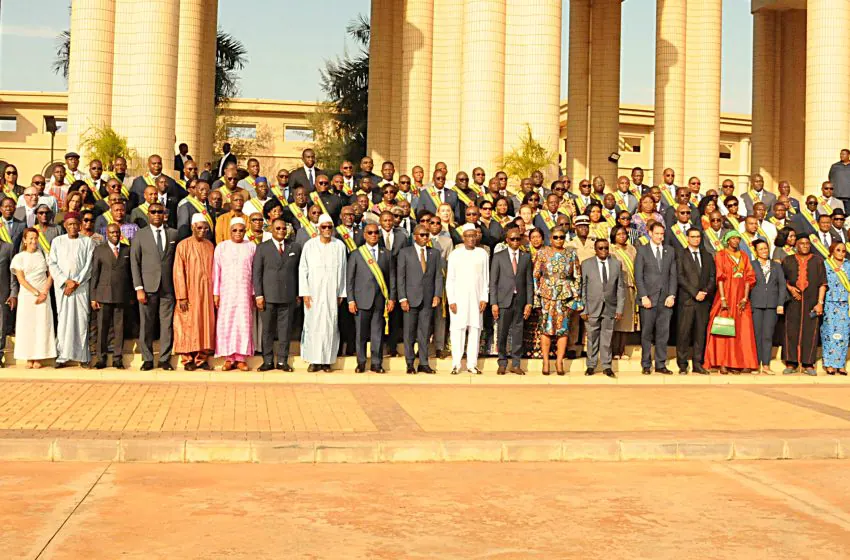
The National Assembly of Togo convened on October 6, 2026, in Lomé, marking the beginning of its second ordinary session of the year. The solemn opening ceremony was presided over by the President of the institution, Komi Selom Klassou. The session was attended by presidents of other institutions, government members, diplomatic corps, and various authorities. This session is primarily dedicated to budgetary matters and will also involve the examination of several legislative projects and oral questions to the government.
According to the Constitution of May 6, 2024, and the Internal Regulations, the second ordinary session of the National Assembly commenced on October 6, 2026. During the opening ceremony, President Klassou highlighted that the session would focus on the examination of the 2027 budget and ten legislative projects. Four of these texts are currently under study in committee, two have been recently submitted, and six require clarification in coordination with the government. Additionally, several oral and written questions are awaiting examination.
President Klassou emphasized that the budget session represents a critical and demanding phase of their mandate. He stated that authorizing public resources and examining their allocations involves evaluating the means the Republic intends to dedicate to its commitments. This process also entails ensuring a balance between the immediate needs of the population and investments, without compromising future prospects. The President underscored the importance of rigor in budgetary examination and parliamentary oversight.
The President of the National Assembly explained that the budget to be voted on has a direct impact on various aspects of citizens' lives, including education, healthcare, infrastructure, and security. He noted that the budget affects the school where a child learns to read and write, the health center where a citizen hopes to receive timely medical care, and the roads and tracks that facilitate the transportation of harvests to markets. The budget also addresses youth employment and the resources allocated to local authorities to meet the daily needs of their constituents.
President Klassou called for the availability and commitment of all members to contribute to the examination of texts in committee and plenary sessions. He stressed that their role is to give each legislative initiative the attention it deserves and to ensure vigilance in programming in the interest of the nation. The President expressed his gratitude to Faure Essozimna Gnassingbé, President of the Council, for his efforts in promoting peace, security, and economic reforms in Togo.
During the first ordinary session and an extraordinary session convened earlier, the National Assembly fully exercised its missions, achieving significant legislative progress. These sessions enabled the consolidation of the country's legal framework in response to contemporary challenges. President Klassou praised the government's initiatives and the National Assembly's rigorous examination of texts, resulting in the definitive adoption of several laws.
The budget session will involve a thorough examination of the 2027 budget, with a focus on ensuring that allocated resources align with the country's priorities and commitments. The National Assembly's oversight role will be crucial in evaluating the government's proposals and ensuring that they are implemented effectively. The session is expected to be a critical period for Togo's legislative agenda, with significant implications for the country's development and growth.
Key points
- The National Assembly of Togo has opened its second ordinary session of 2026, focusing on the 2027 budget and several legislative projects.
- The session will examine ten legislative projects, including four currently under study in committee, and several oral and written questions.
- The budget session represents a critical phase of the National Assembly's mandate, involving the evaluation of public resources and their allocations.