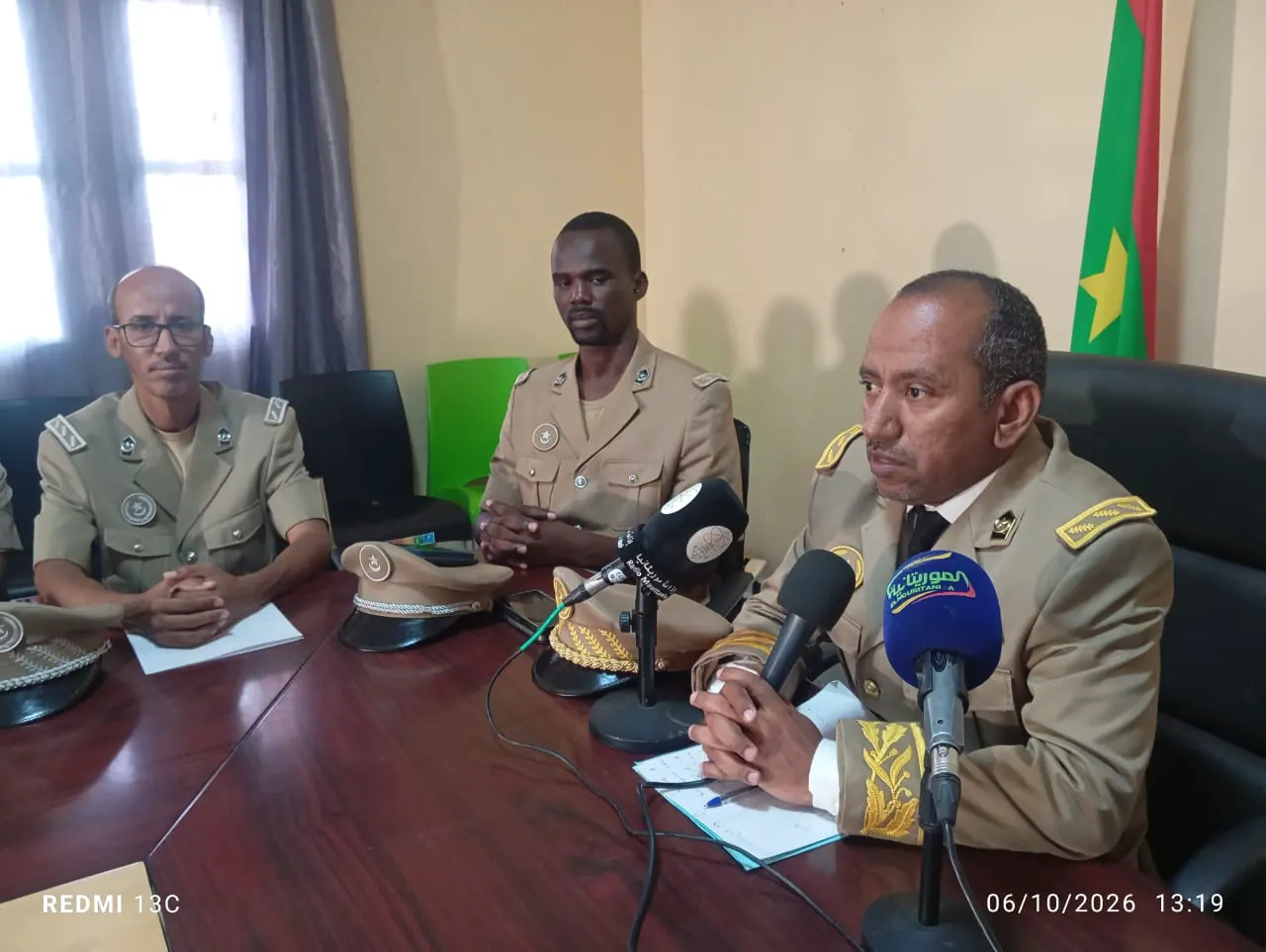
On Tuesday, June 10, 2026, at 15:45, the Governor of Brakna, Tayeb Ould Mohamed Mahmoud, chaired a meeting in the state's conference room in Aleg to discuss support for the National Cleanliness Campaign. The meeting aimed to develop an effective plan to implement the circular issued by the Minister of Interior, Decentralization, and Local Development regarding cleanliness. The governor emphasized that the meeting was part of the efforts to apply the circular's content and respond to President Mohamed Ould Cheikh El Ghazouani's call for a national cleanliness campaign.
The President's call, launched from the city of Benichab, urged citizens to participate in a comprehensive national cleanliness campaign, particularly in urban areas. This call was translated into clear instructions from the government through the circular issued by the Minister of Interior, Decentralization, and Local Development, No. 29, dated September 30, 2026. The circular defines the framework and priorities for implementing this initiative. The governor highlighted that the circular's spirit is based on the principle of shared responsibility for the cleanliness of cities and villages.
The governor stressed that this responsibility includes the administration, elected officials, technical departments, civil society, and opinion leaders, including imams. He added that the establishment of a committee to oversee the cleanliness campaign reflects this shared responsibility, bringing together various stakeholders. The committee's task is to develop a plan of action and start implementing it within the deadlines specified in the circular. The plan focuses on five main areas: mobilization and awareness, field campaigns, gradual implementation, deterrent measures, and a follow-up mechanism.
The plan proposes distributing roles and responsibilities among the various sectors involved and forming a committee to oversee the cleanliness file. The governor also announced that evaluation meetings would be held to monitor the process, ensuring the achievement of its objectives and the institutionalization of cleanliness as a permanent behavior among the population. Participants in the meeting expressed their readiness to implement the circular's content and work to ensure its continuity and sustainability.
The meeting was attended by administrative authorities, local elected officials, civil society actors, and representatives of unions and professional organizations. The participants' interventions generally focused on the full readiness to implement the circular's content and ensure its continuity and sustainability. The governor urged all stakeholders to intensify their efforts to support the national cleanliness campaign.
The Brakna governor emphasized that the campaign's success depends on the active participation of all stakeholders, including the administration, elected officials, technical departments, civil society, and opinion leaders. He called for a coordinated effort to ensure the campaign's continuity and sustainability. The governor also highlighted the importance of community involvement in maintaining cleanliness and promoting a culture of hygiene.
The National Cleanliness Campaign aims to promote a culture of cleanliness and hygiene in Mauritania, particularly in urban areas. The campaign's implementation will be monitored and evaluated to ensure its effectiveness and sustainability. The governor's call for increased efforts to support the campaign reflects the government's commitment to promoting a clean and healthy environment for all citizens.
Key points
- The Brakna governor has called for increased efforts to support the National Cleanliness Campaign, which aims to promote a culture of cleanliness and hygiene in Mauritania.