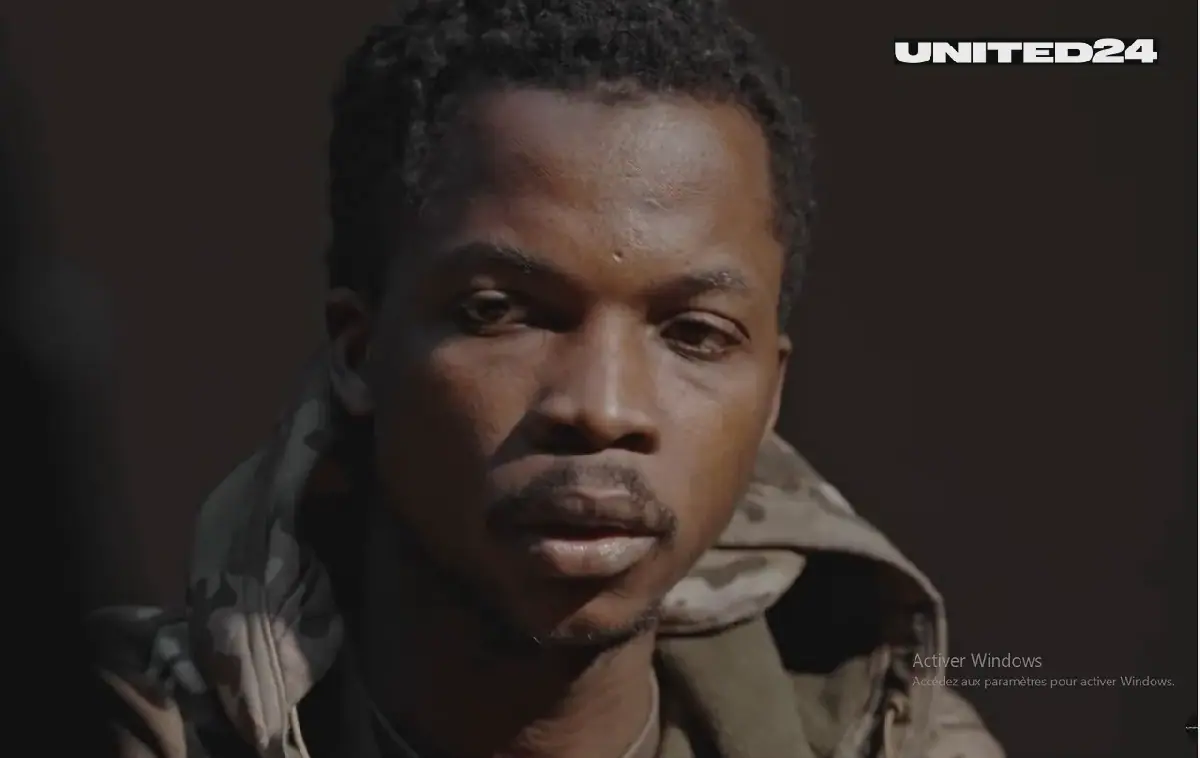
The Togolese government has been accused of allowing young men from the country to be recruited to fight in Ukraine, amid growing ties with Russia. The development has raised concerns among locals and opposition leaders, who claim that the government has been opaque about its dealings with Russia. According to Folly Ékoué Gada, an historian and teacher-researcher at the University of Lomé, Togo has become a testing ground for Russia's expansion in the Gulf of Guinea.
The cooperation between Togo and Russia has been accelerating in recent years, with Lomé seeking to diversify its partners due to security needs. The country has been facing an expansion of jihadist groups from the Sahel region, with 15 attacks attributed to the JNIM group killing 62 people between January and July 2025. Despite this, Togo has maintained close ties with juntas in Mali, Burkina Faso, and Niger, despite coups and regional sanctions.
In November 2025, Togolese President Faure Gnassingbé signed a bilateral military cooperation agreement with Russian President Vladimir Putin, marking a significant shift in Togo's foreign policy. The agreement has been seen as a move away from Togo's traditional ties with France and towards closer relations with Russia. The port of Lomé, a vital maritime outlet for the landlocked Sahel region, has been a key factor in Togo's decision to strengthen ties with Russia.
The recruitment of young Togolese men to fight in Ukraine has been shrouded in secrecy, with the government accused of lacking transparency about its dealings with Russia. According to an opposition representative, there is total silence in Lomé about the numbers and missions of Russian paramilitary forces allegedly present in the north of the country.
President Faure Gnassingbé has been accused of cultivating an art of secrecy, with agreements and diplomatic moves often made behind closed doors. This opacity has stifled public debate and raised concerns about the country's direction. The Togolese economy is heavily reliant on the port of Lomé, which accounts for 30-40% of the country's activity.
The situation has been further complicated by the presence of a Russian cargo ship, the Mikhail Britnev, which docked in Lomé in July, allegedly carrying military vehicles. Satellite images suggested that the ship was transporting military equipment, which was destined for Mali and its Russian allies.
The Togolese government's decision to engage with Russia has been driven by economic survival, with the country seeking to preserve its port and maintain its position as a logistical hub for the Sahel region. However, the move has raised concerns about the country's sovereignty and its involvement in a conflict that is not its own.
Key points
- Young Togolese men are being recruited to fight in Ukraine amid growing ties with Russia
- The Togolese government has been accused of lacking transparency about its dealings with Russia
- The situation has raised concerns about Togo's sovereignty and its involvement in a conflict that is not its own