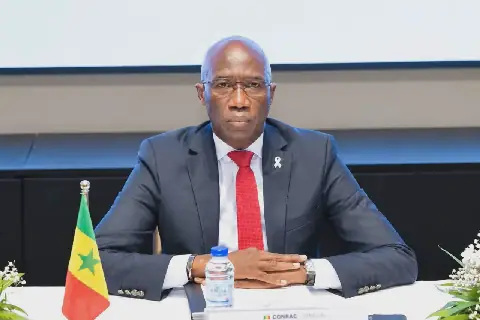
The Togolese government has launched a training program aimed at enhancing public expenditure control and financial management within its administration. The Project to Support Governance and Private Sector Development (PAGDSP), under the Ministry of Finance and Budget, has partnered with the National School of Administration (ENA) to provide training for high-ranking officials. This initiative commenced on October 5, 2026, and will run for one year.
The program is designed to equip 2,202 officials and agents from 24 different structures across Togo with essential skills in financial management and public expenditure control. These structures include the Togolese Revenue Office (OTR), the Court of Accounts, the General Finance Inspection, and the General State Inspection, among others. The program will consist of nearly 40 sessions from October 2026 to September 2027.
A significant portion of the program will focus on addressing critical issues related to public expenditure, particularly the control of payroll and management of the wage bill. An initial workshop on controlling payroll and mastering the wage bill was conducted for 90 officials from the National Financial Control Directorate. The workshop aimed to enhance their ability to identify anomalies in state payroll data, implement internal control systems, and develop monitoring dashboards.
The training program is a key component of the government's efforts to improve public financial management, enhance transparency, and combat corruption. By strengthening the capacity of public officials, the program seeks to promote more efficient use of public resources and encourage private sector investment. The initiative is supported by the African Development Bank with funding of 9.22 billion Fcfa.
The program's implementation is structured to ensure broad coverage, with about 15 sessions planned by the end of the year in Lomé and other regions. This approach will enable participants from various parts of the country to benefit from the training and apply their new skills in their respective roles.
The involvement of civil society organizations and the Union of Regional Chambers of Trades in the program underscores the government's commitment to engaging multiple stakeholders in its efforts to enhance governance and transparency. By fostering collaboration and capacity building across different sectors, the program aims to create a more conducive environment for sustainable development.
As the program progresses, it is expected to yield positive outcomes in terms of improved financial management practices and better control of public expenditure. The government's proactive approach to addressing these critical issues is likely to enhance its credibility and foster a more favorable business climate, ultimately contributing to Togo's economic growth and development.
Key points
- The training program aims to improve public financial management and enhance transparency in Togo.
- The program is funded by the African Development Bank with 9.22 billion Fcfa.
- The initiative will benefit 2,202 officials and agents from 24 structures across Togo.