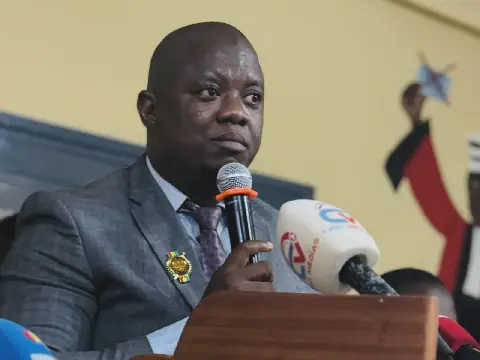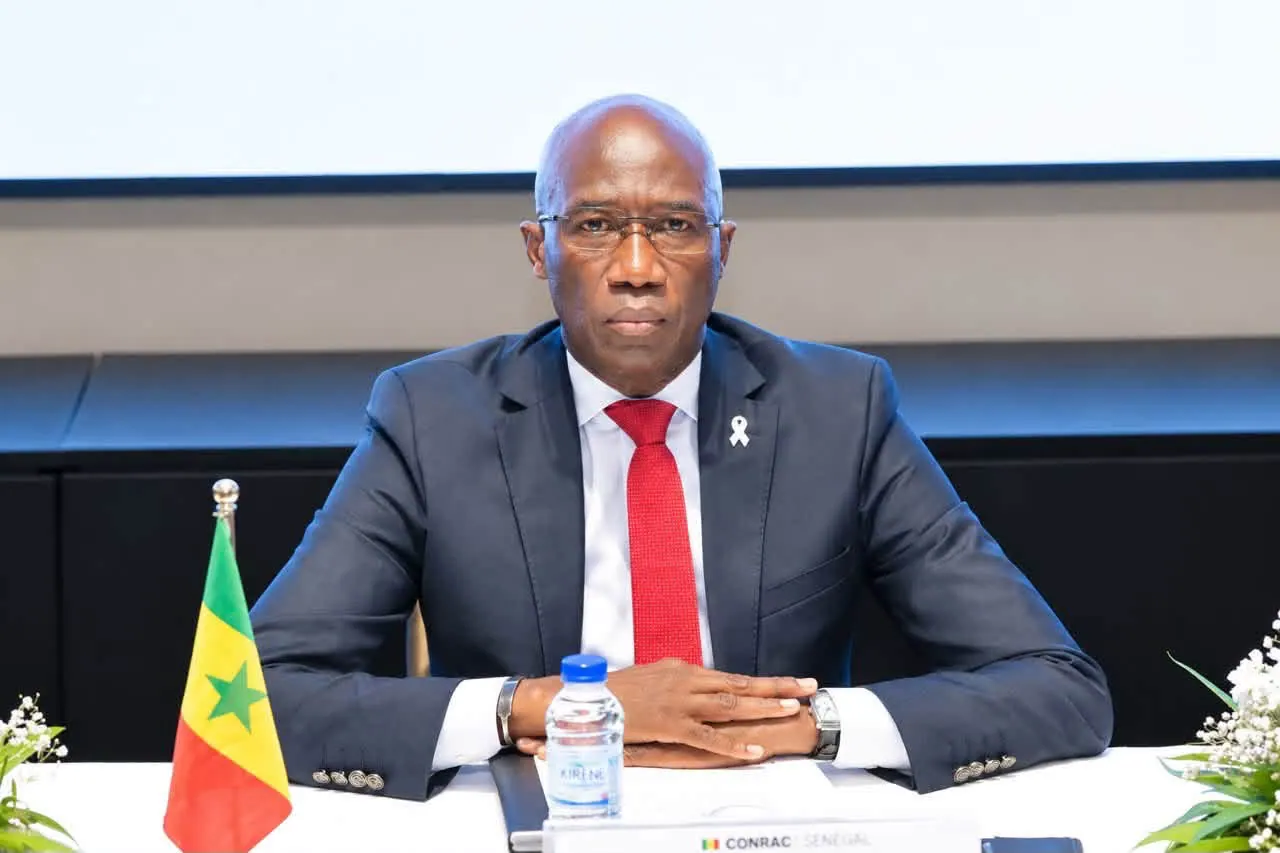
On October 5, 2026, Senegal's Justice Minister, Me Moussa Sarr, emphasized the need for a more effective chain of seizure, confiscation, and recovery of assets derived from crime. Speaking at the opening of a capacity-building workshop, he stressed that the judicial response to crime should not only focus on convicting perpetrators but also on recovering illicitly acquired assets. The workshop brought together magistrates, investigators, financial administration agents, lawyers, notaries, and banking and insurance professionals.
Me Moussa Sarr highlighted the economic and social costs of financial crime, which deprives the state of revenue, undermines compliant businesses, and diverts resources that could fund public services. He noted that a conviction loses some of its effectiveness if the assets acquired through the crime remain at the disposal of the convict. The minister cited the example of a prison sentence that is served and then ends, but if the proceeds of the crime remain intact, the perpetrator can still enjoy them.
The Senegalese government has established a national framework to strengthen asset recovery, including the creation of the National Office for the Recovery of Criminal Assets (ONRAC) in 2021. According to Me Moussa Sarr, ONRAC has already recovered over 50 billion CFA francs since its inception. Additionally, the Judicial Financial Pool was established in 2023 and became operational in 2024. The minister emphasized that the challenge now is not only to build the framework but also to ensure that all stakeholders have a thorough understanding of it.
Me Moussa Sarr stressed the importance of seamless collaboration among the various actors involved in the asset recovery chain. He noted that the investigator identifies the assets, the prosecutor requests seizure measures, the investigating judge orders them, and the trial court pronounces confiscation, if necessary. The ONRAC then manages the assets and executes the decisions. The minister warned that if one link in the chain fails, the entire effort is compromised.
The minister emphasized the significance of patrimonial investigation, which should be initiated from the early stages of the criminal investigation. This involves identifying and tracing assets that may be linked to the crime, which can be complex due to evolving concealment methods, such as the use of shell companies, life insurance contracts, and cryptocurrencies. The four-day workshop aims to equip participants with the skills to tackle these challenges.
Me Moussa Sarr also highlighted the importance of preserving the value of seized assets, ensuring that they are not degraded or lost. He suggested that the ONRAC should be involved early in the decision-making process regarding the management of seized assets to prevent financial losses for the state and potential prejudice to individuals who may be exonerated or cleared.
The minister concluded by emphasizing the need for efficiency in asset recovery without compromising judicial guarantees. He stressed that the seizure of assets is not a condemnation and that the rights of individuals and third parties must be protected. The workshop is expected to produce recommendations aimed at improving the effectiveness of Senegal's asset recovery chain.
Key points
- Strengthening the chain of seizure, confiscation, and recovery of assets derived from crime.
- Enhancing collaboration among law enforcement and stakeholders.
- Preserving the value of seized assets and protecting judicial guarantees.