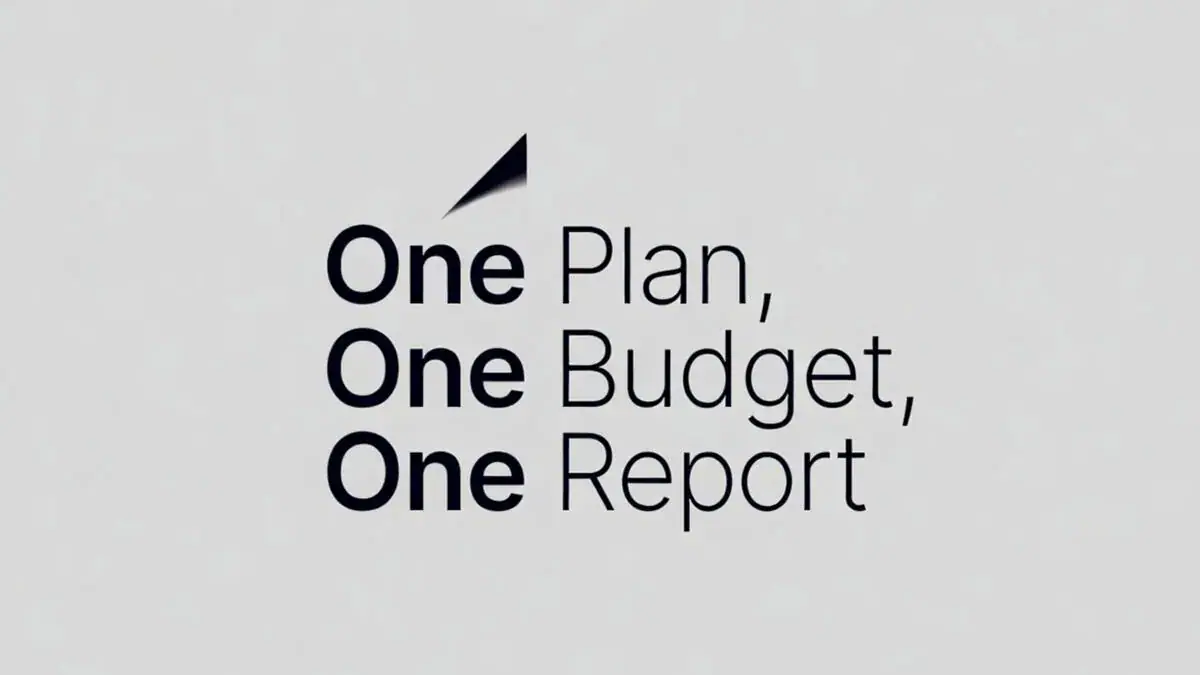
The Togolese government has introduced a new approach to improve the country's health care system. The "One Plan, One Budget, One Report" initiative aims to streamline the planning, budgeting, and reporting processes for health care services. Currently, a single dispensary may receive support from the state, international donors, and non-governmental organizations, each with their own plan, budget, and reporting requirements. This has resulted in duplication of efforts, gaps in services, and health workers spending more time on paperwork than patient care.
The new approach seeks to address these challenges by having all health stakeholders share a common framework. This includes the state, health care providers, the private sector, civil society, and technical and financial partners. A joint plan will be developed to prioritize interventions and prevent duplication of efforts. A concerted budget will be established to identify funding sources and allocate resources to areas of greatest need. A single report will be used to track results using common indicators and ensure accountability.
According to Professor Aklesso Bagny, head of health projects at the presidency of the Council and the Ministry of Health, the goal is for all stakeholders to plan their actions in agreement with each other. This will help build a more robust health system. The reform is part of a period of significant change in Togo's health sector. The system is organized in a pyramid structure, with peripheral care units at the base, district hospitals and regional hospital centers in the middle, and university hospitals at the top.
In recent years, Togo has launched several initiatives to increase access to health care. The Wezou program provides care for pregnant women and newborns. The country is also gradually rolling out universal health insurance, with the aim of covering the entire population. The Ministry of Health now includes universal health coverage and insurance in its title. However, the sector still faces well-known challenges, including a shortage of qualified personnel, particularly in rural areas, inadequate equipment, and a high dependence on external funding.
The new approach aims to address these challenges by improving coordination and transparency. The focus is not only on tracking expenditures but also on measuring the impact of these expenditures on health outcomes. The goal is to improve access to care and the quality of services. The approach is expected to become the reference framework for all Ministry of Health interventions, in line with reforms in finance and planning.
The introduction of the "One Plan, One Budget, One Report" approach is a significant step towards strengthening Togo's health system. The government hopes that this initiative will help to optimize resources, improve health outcomes, and enhance the overall quality of care. By working together, stakeholders can ensure that resources are allocated efficiently and effectively, ultimately benefiting the patients.
The success of this approach will depend on the commitment and collaboration of all stakeholders. The government, health care providers, and partners must work together to ensure that the new framework is implemented effectively. With a coordinated approach, Togo can make progress towards achieving universal health coverage and improving the health and well-being of its citizens.
Key points
- Togo introduces "One Plan, One Budget, One Report" approach to improve health care coordination and transparency.
Reporting sources
- Trois leviers, une seule boussole · republicoftogo.com