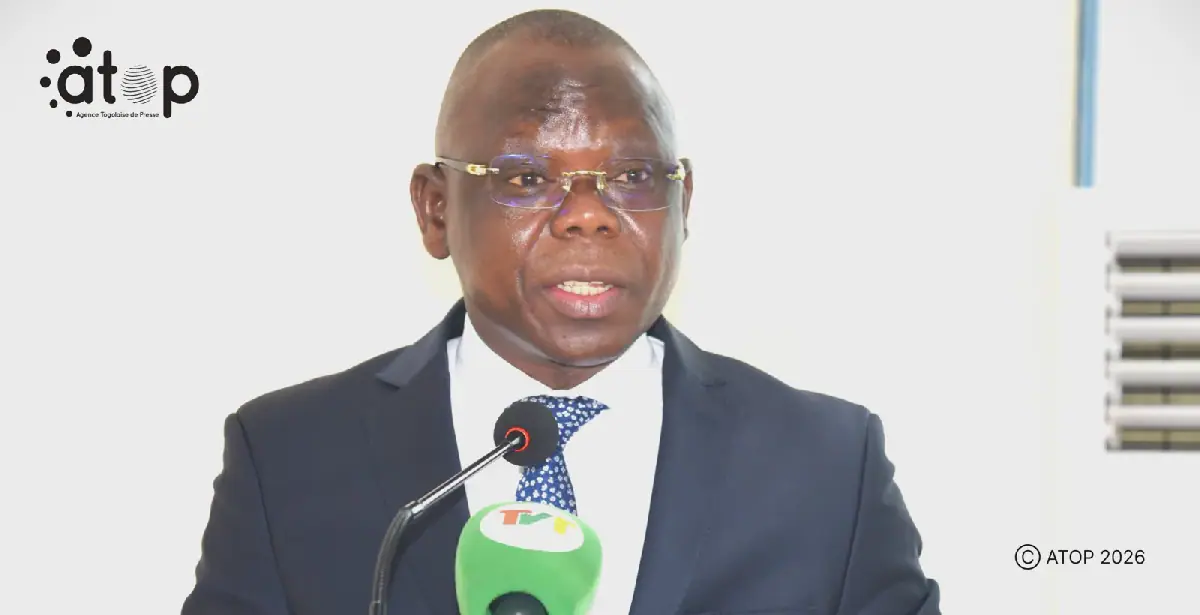
The Committee for the revision of the Inter-African Conference of Insurance Markets (CIMA) treaty convened in Lomé, Togo, on November 16. The five-day meeting, led by Traoré Issuf, aims to review and update CIMA's texts to address current market changes. The committee will explore ways to institutionalize an independent second-level appeals body and discuss the redefinition and restructuring of the regional insurance control commission's powers. This update seeks to ensure better protection for insured individuals and strengthen the solvency of insurance actors.
The CIMA treaty, signed on July 10, 1992, in Yaoundé, Cameroon, established a harmonized legal framework and unified supervision for member states. The treaty has enabled strengthened financial surveillance and credibility in the insurance market. However, after three decades, the economic, technological, and financial environment has undergone significant changes. CIMA Secretary-General, Thuisseu-Kouaghou Eric, emphasized that the treaty's founding texts require evolution to become an effective growth lever in the face of emerging risks and the need to increase the insurance sector in Africa.
The Togolese Minister of Insurance, Jean-Marie Tessi, highlighted the need for the treaty's update, citing new requirements from sector actors. He stressed that the revision should lead to a more balanced governance structure, ensuring a better distribution of responsibility posts among member states. The update aims to modernize institutional governance, deepen regional integration, and enhance protection for insured individuals, particularly those in disadvantaged populations.
The meeting in Lomé brings together high-level officials, including the Deputy Director-General of the Common Reinsurance Company of CIMA member states (CICA-Re), directors-general of insurance, reinsurance, and insurance brokerage companies. Other attendees include the Director-General of the International Insurance Institute of Cameroon and the President of the Togolese Medical Association. The committee's discussions will focus on adapting CIMA's texts to current market needs.
The revision of CIMA's texts addresses three major requirements: modernizing institutional governance, deepening regional integration, and strengthening protection for insured individuals. The update also aims to extend insurance coverage to disadvantaged populations. By institutionalizing an independent appeals body and restructuring the regional insurance control commission, CIMA seeks to improve its effectiveness and relevance in the evolving insurance landscape.
Thuisseu-Kouaghou Eric urged all stakeholders to view this reform as a transformative axis, rather than a simple technical update, to enhance the resilience of states. The CIMA Secretary-General emphasized that the treaty's evolution is crucial to addressing emerging risks and growing the insurance sector in Africa. The revised texts are expected to provide a more robust framework for insurance regulation and supervision in the region.
The five-day meeting in Lomé will conclude with a revised version of CIMA's texts, aimed at ensuring better protection for insured individuals and strengthening the solvency of insurance actors. The updated treaty is expected to be a significant step towards modernizing insurance regulation in Africa and enhancing the region's insurance market.
Key points
- The CIMA treaty revision aims to modernize institutional governance, deepen regional integration, and strengthen protection for insured individuals.