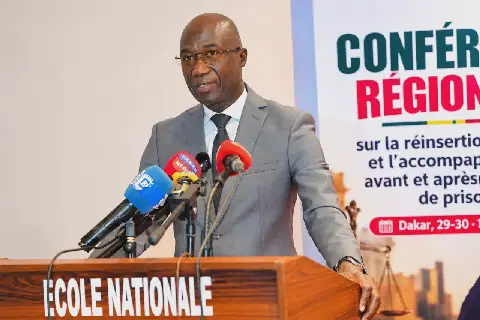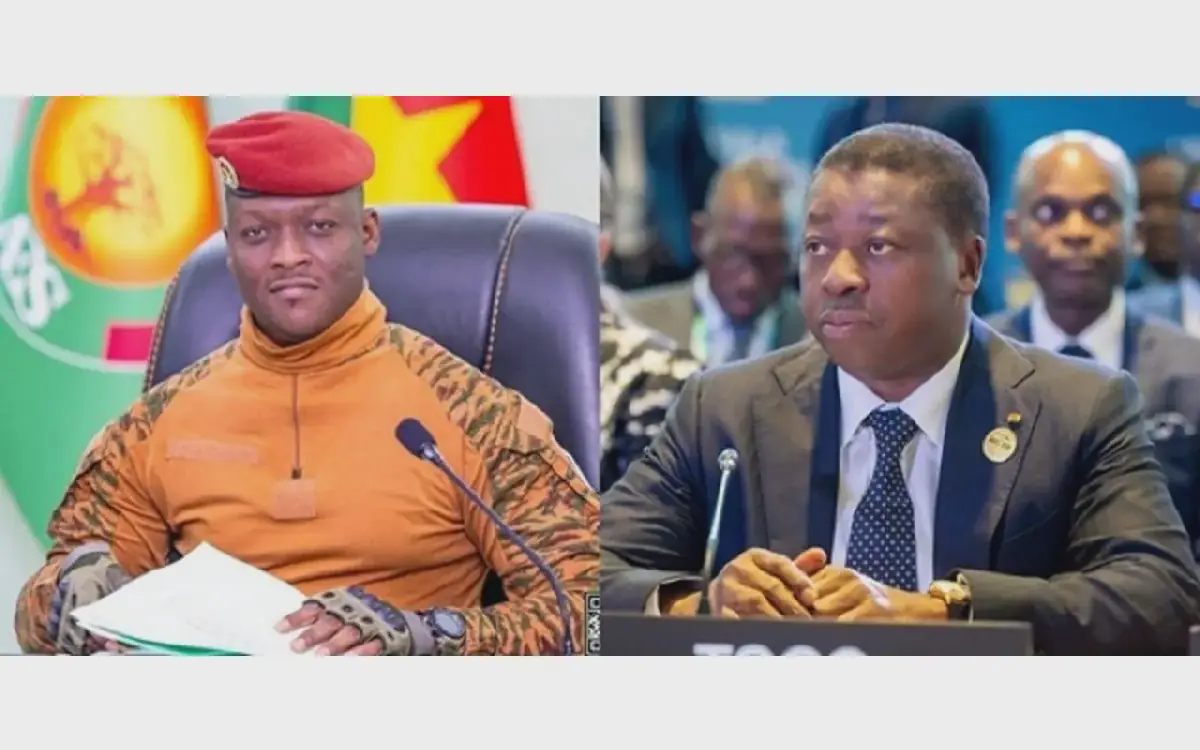
The Burkinabé parliament unanimously adopted a new penal code on October 20, 2026, reinstating the death penalty for crimes related to terrorism, espionage, and treason. The new code, announced by Minister of Justice Edasso Rodrigue Bayala, also targets authors or accomplices of importing expired or prohibited products that result in fatalities. This move has sparked controversy, with human rights organizations like Amnesty International and Human Rights Watch condemning the decision.
The new penal code in Burkina Faso introduces harsher penalties for various crimes, including life imprisonment and hefty fines for embezzlement of public funds. Those found guilty of diverting public funds above a certain threshold, which remains undisclosed, will face life imprisonment and a fine equivalent to triple the amount embezzled. The code also significantly increases fines for all types of crimes and offenses, aiming to strengthen public order and protect people and property.
The reintroduction of the death penalty in Burkina Faso has raised concerns about its potential use as a tool for silencing dissenting voices and political opponents. Human rights organizations fear that the law may be used to repress critics and stifle opposition. However, the code's focus on combating economic and financial crimes has sparked interest in neighboring Togo, where economic crimes have long plagued the nation.
Togo has struggled with a string of financial scandals, particularly since Faure Gnassingbé assumed power in 2005. The country's administration and government have been marred by corruption and financial mismanagement, with few perpetrators held accountable. This has led some to wonder whether Togo could benefit from a similar law to hold officials accountable for economic crimes.
The Burkinabé government's decision to reinstate the death penalty was first announced by Captain Ibrahim Traoré in December 2025. The move has been met with skepticism, with many questioning its effectiveness in curbing economic crimes. As Togo grapples with its own economic woes, the debate surrounding Burkina Faso's new penal code has sparked discussions about the potential implications for the region.
Some observers speculate that if Togo were to adopt a similar law, it could have far-reaching consequences for the country's administration and government. The prospect of facing severe penalties for economic crimes may lead to a significant shake-up in the country's power structures. However, it remains to be seen whether Togo will follow Burkina Faso's lead in reintroducing the death penalty for economic crimes.
The Togolese people are now faced with the question of whether a similar law could be implemented in their country. With a long history of economic crimes and corruption, Togo's leaders may be under pressure to take action. As the debate continues, one thing is certain: the reintroduction of the death penalty in Burkina Faso has sparked a necessary conversation about accountability and justice in the region.
Key points
- Burkina Faso's new penal code reinstates the death penalty for economic crimes, sparking controversy and debate in neighboring Togo.
- Togo has struggled with a string of financial scandals and corruption, leading some to wonder whether a similar law could be effective in holding officials accountable.
- The Burkinabé government's decision to reinstate the death penalty has raised concerns about its potential use as a tool for silencing dissenting voices and political opponents.