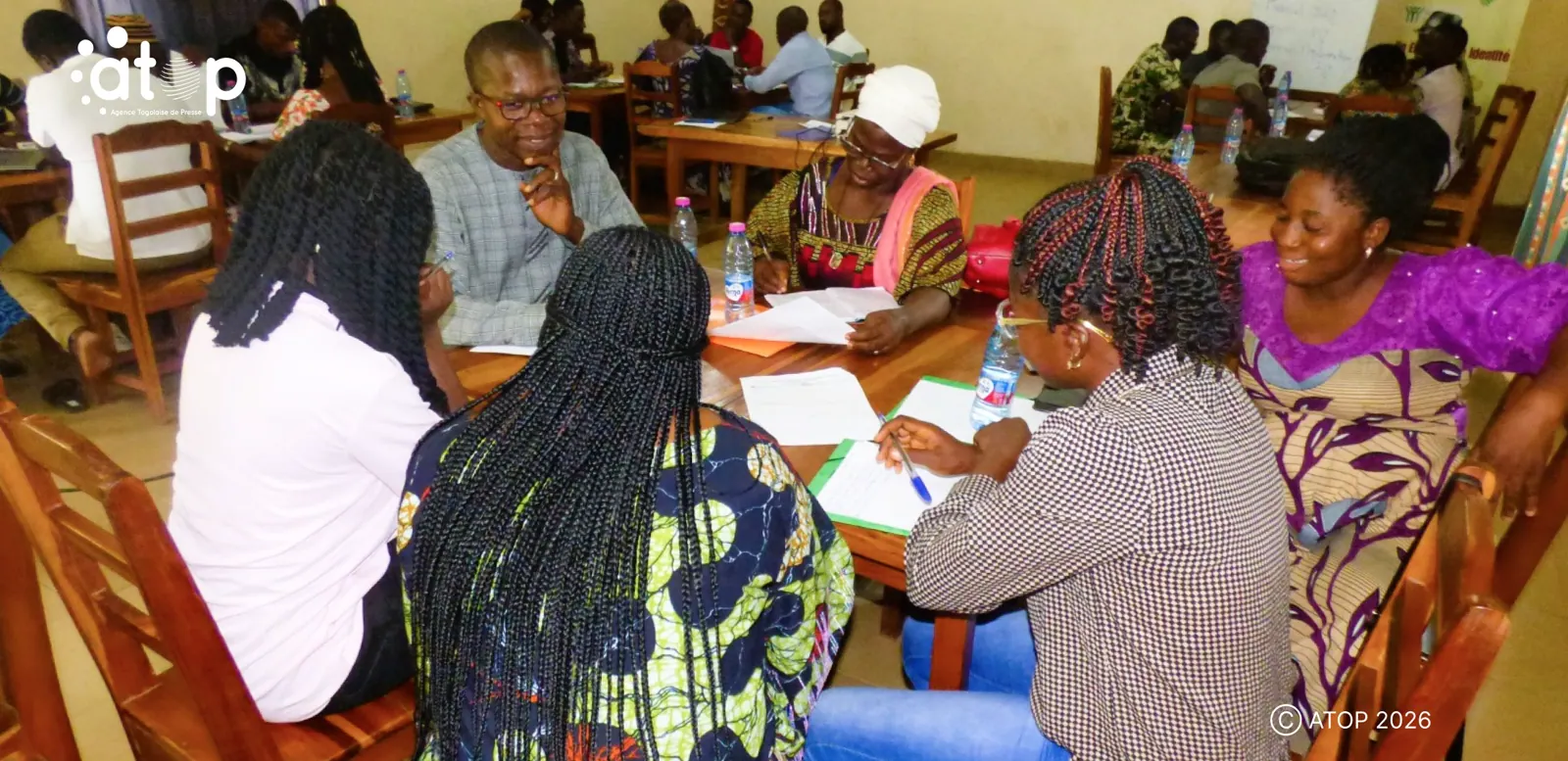
Community actors in Togo's Kara region were recently sensitized to the challenges, opportunities, and risks associated with artificial intelligence (AI). The sensitization, which took place on October 7, was part of a regional dialogue on the inclusive governance of AI in Togo. The event was organized by the Initiative Santé Communautaire pour un Monde Épanoui (ISCOME) in partnership with Togo Ta Alafia (TTA) and supported by NIYEL.
The dialogue aimed to educate young people, women, people with disabilities, rural populations, and community leaders about AI, its possibilities, and associated risks, particularly in the areas of ethics, social issues, and economics. Engineer Padaboh Magnim, an AI expert, led a communication session on the challenges and impacts of AI. He discussed the main areas of application of AI and emphasized the need for thoughtful usage.
According to Magnim, AI comprises technologies capable of executing tasks typically associated with human abilities. However, he stressed that AI usage must be accompanied by human verification to distinguish accurate information from erroneous content. The expert encouraged community actors to use AI responsibly, taking into account local realities and needs, to make it a tool for more inclusive governance.
Abissi Passilé, the head of the Lama-Gnangbadè village, representing the Lama canton chief, praised the initiative for increasing awareness about AI and its possibilities, particularly among young people. He encouraged the beneficiaries to share their knowledge with local populations. Banassima Eric, ISCOME coordinator, noted that AI is rapidly transforming various aspects of social life, including health, education, agriculture, economy, and public governance.
Banassima Eric emphasized that AI facilitates decision-making, access to services, and citizen participation. However, he observed that the understanding and rational use of these technologies remain limited among certain population categories, including young people, women, rural populations, and people with disabilities. He warned that without inclusive and ethical governance, AI risks exacerbating social and digital inequalities.
The community actors formulated recommendations to better consider community needs and enrich the national citizen mini-guide on AI. The recommendations aimed to ensure that AI is developed and used in a way that benefits all segments of society. The event was attended by Mme Kawo, who acknowledged the importance of such initiatives in promoting AI literacy and responsible usage.
The regional dialogue on AI governance is part of the "Citizen Dialogue for Inclusive Governance of Artificial Intelligence in Togo" project. The project seeks to promote a better understanding of AI and its implications, as well as to foster a culture of responsible AI development and use in Togo. By engaging community actors and promoting AI literacy, the project aims to contribute to the development of a more inclusive and equitable digital landscape in the country.
Key points
- Community actors in Togo's Kara region have been sensitized to the challenges, opportunities, and risks associated with artificial intelligence.
- The sensitization aimed to educate young people, women, people with disabilities, rural populations, and community leaders about AI and its implications.
- The initiative seeks to promote inclusive and ethical governance of AI in Togo, ensuring that the technology benefits all segments of society.