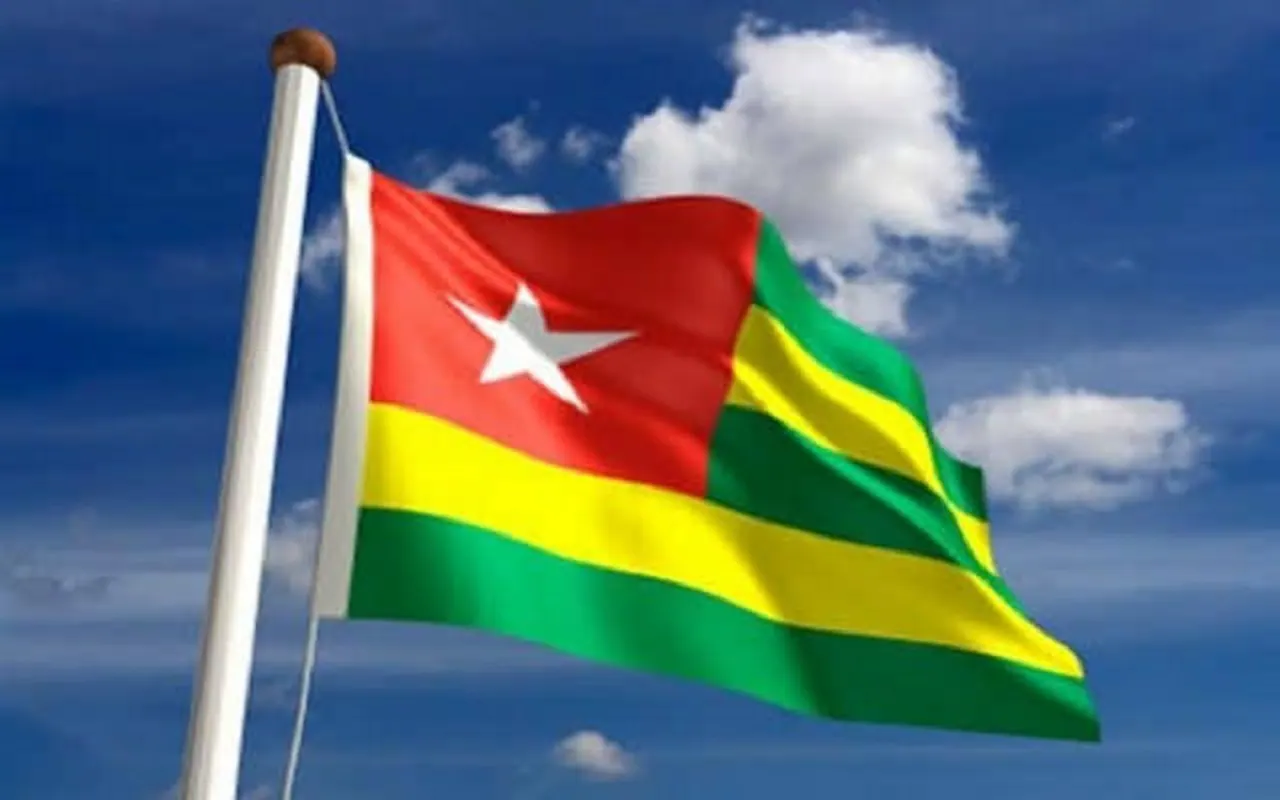
The Togolese government recently celebrated International Peace Day on September 21, with the Garde des Sceaux, Minister of Justice and Human Rights, Pacôme Adjourouvi, delivering a message that highlighted the importance of dialogue, inclusion, and social justice in building peace. The minister emphasized that peace is not just the absence of conflict, but also requires respect for human dignity and equal access to public services, education, healthcare, and employment.
According to Adjourouvi, the government's vision for peace is centered around the idea that it cannot be decreed, but rather built through dialogue, inclusion, and social cohesion. He cited President Faure Gnassingbé's statement at the Lomé Peace and Security Forum, which stressed that peace is not just the absence of war, but requires a deeper understanding of the complexities of building a harmonious society.
The government's message also called on communities to prioritize dialogue and reconciliation as means of preventing tensions and promoting peace. The executive urged citizens to recognize that their differences in language, religion, or opinion should not be a threat to peace, and encouraged them to work together to promote a culture of democracy and peace.
However, critics argue that the government's claims about peace and democracy are at odds with the reality on the ground. They point to the fact that over 100 Togolese citizens are currently in prison for expressing their opinions, and that several others have been forced into exile. The case of 13 political prisoners who have been held in detention since 2018, despite a court order for their provisional release, has also been cited as evidence of the government's double standards.
Furthermore, critics argue that the government's control over the media and the electoral process undermines its claims about democracy. For example, the recent election of members to the High Authority of Audiovisual and Communication, which regulates the media, was widely criticized as a sham.
The opposition has also questioned the government's commitment to democracy, arguing that the concentration of power in the hands of the executive branch is a major obstacle to meaningful reform. They argue that the government's rhetoric about peace and democracy is not matched by concrete actions to promote transparency, accountability, and good governance.
In conclusion, while the Togolese government's message on International Peace Day emphasized the importance of dialogue, inclusion, and social justice, critics argue that the country's democracy is still in its infancy. The government's claims about peace and democracy are seen as hollow by many, who point to the lack of concrete progress in promoting human rights, media freedom, and electoral reform.
Key points
- The Togolese government's message on International Peace Day emphasized the importance of dialogue, inclusion, and social justice in building peace.
- Critics argue that the government's claims about peace and democracy are at odds with the reality on the ground, citing examples of human rights abuses and electoral manipulation.
- The opposition has questioned the government's commitment to democracy, arguing that the concentration of power in the hands of the executive branch is a major obstacle to meaningful reform.