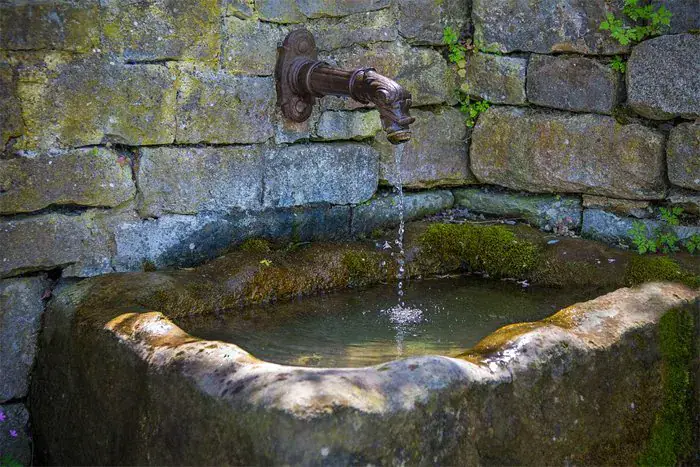
A recent report from the Tizi-Ouzou health department revealed that 80% of the fountains in the wilaya have contaminated water, making it unfit for consumption. This water can cause severe diseases, primarily waterborne diseases such as hepatitis A and typhoid fever. The alarming situation was disclosed by a health official who urged immediate action to prevent further contamination. With an extremely hot summer forecasted, the risk of waterborne diseases spreading is high.
According to the health official, 50 cases of waterborne diseases have been reported from January 1, 2019, to the end of May. This number is concerning, especially when compared to the 69 cases recorded throughout 2018. All reported cases in Tizi-Ouzou are linked to the consumption of contaminated fountain water. The wilaya has hundreds of fountains across its 67 communes, with many citizens relying on them for their daily water needs.
Many residents travel long distances to fill their jerrycans with fountain water, often attributed with perceived health benefits. However, this water can be fatal if contaminated by faulty sewage networks or open wastewater flows, a common occurrence in the region. A recent example was the contamination of a fountain on the Makouda-Tizi Ouzou road, which was fortunately quickly addressed by the Makouda commune's hygiene services.
The health official has issued an urgent appeal to village committees and environmental associations to participate in educating the population about the risks associated with consuming uncontrolled fountain water. Citizens are advised to bring water samples to hygiene services or the wilaya headquarters for testing. To minimize risks, residents are recommended to use tap water, which undergoes regular verification and control.
The Tizi-Ouzou health department is urging residents to take precautions to avoid waterborne diseases. With the summer season approaching, the risk of disease transmission is expected to increase. Residents are advised to be cautious when consuming water from fountains and to rely on tap water instead.
The official emphasized that immediate action is necessary to prevent further contamination and the potential for a major health crisis. The health department is working to raise awareness about the risks associated with contaminated fountain water and to encourage residents to take steps to protect themselves.
The situation in Tizi-Ouzou highlights the importance of access to safe and clean drinking water. The wilaya is taking steps to address the issue, but residents are also urged to take responsibility for their own health and safety. By working together, the risk of waterborne diseases can be reduced, and the health and well-being of residents can be protected.
Key points
- The Tizi-Ouzou health department has reported 50 cases of waterborne diseases from January 1, 2019, to the end of May.
Reporting sources
- TIZI-OUZOU – Alerte aux MTH ! – «80% des fontaines sont contaminées» · La Dépêche de Kabylie