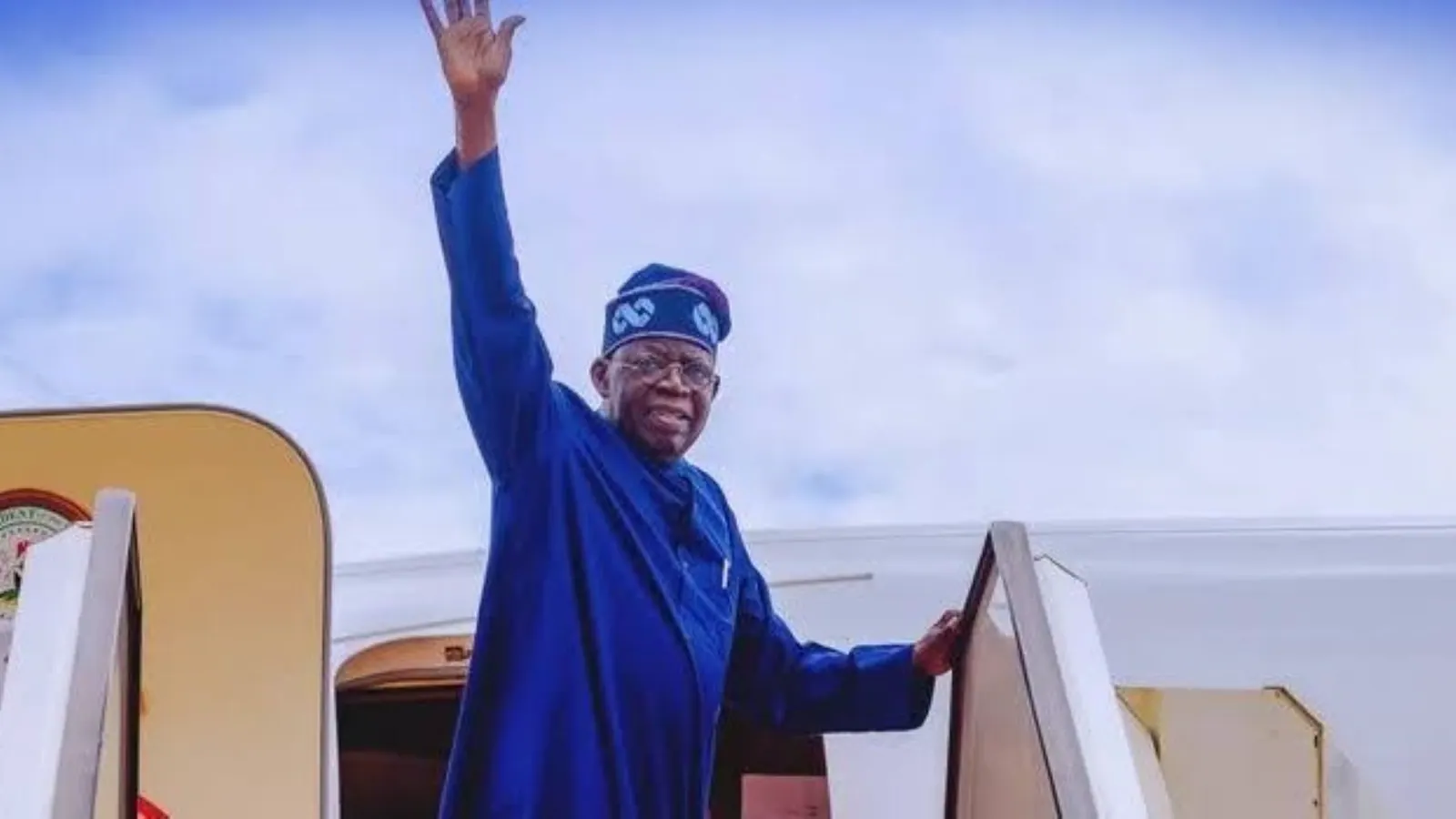
On October 1, 2026, President Bola Tinubu addressed the nation, marking 66 years of Nigeria's independence. He declared an end to the emergency phase of his economic reforms, initiated since taking office in May 2023. Tinubu's government will prioritise reducing the cost of living, creating jobs, and tackling poverty. The president's address aimed to reassure Nigerians of his administration's commitment to improving their economic well-being.
Tinubu identified key areas of government investment to lower food prices, including mechanised farming, irrigation, improved access to seeds and fertilisers, storage facilities, and transport infrastructure. He also pledged to expand industrial production, use natural gas to power industries, improve digital connectivity, and provide businesses with infrastructure and financing to support job creation. These initiatives aim to address the high cost of living, a central issue for many Nigerians.
The president defended his economic reforms, including the removal of petrol subsidies and changes to the foreign exchange system. He argued that these reforms had corrected longstanding economic distortions. According to Tinubu, the economy grew by more than 4% in 2026, inflation fell from its peak, foreign reserves were rebuilt, and oil theft declined. These achievements, he claimed, demonstrate the effectiveness of his economic policies.
Tinubu highlighted Nigeria's non-oil export revenue, which reached over $6 billion in 2025, a record high. However, he did not provide supporting figures for several economic indicators cited in his address. The president acknowledged that many families continued to struggle with affording basic necessities, attributing their difficulties to decades of low productivity, inadequate infrastructure, and limited economic opportunities.
To support vulnerable households, Tinubu promised to strengthen assistance programmes. The government will improve the National Social Register to direct aid to poorer families, while the Nigerian Education Loan Fund will continue to support students unable to afford higher education. Additionally, consumer credit programmes, primary healthcare, basic education, salaries, and pensions will be part of efforts to support low-income households.
Tinubu insisted that his government would not reverse its reforms in response to calls to restore subsidies. He described such a move as a return to arrangements that had placed pressure on public finances. Instead, the president emphasised his objective to defeat poverty, not just manage it more efficiently. He urged Nigerians to support the government's economic direction, citing progress made so far.
Nigeria, Africa's most populous country and one of its largest oil producers, faces persistent concerns over inflation, poverty, unemployment, and insecurity. Tinubu concluded his address by stating that the country had corrected its course and must now focus on translating economic gains into improved living standards. He declared, "The age of reform has done its work. Now begins the age of prosperity."
Key points
- President Bola Tinubu shifts focus from economic stabilisation to prosperity, prioritising reduced living costs and job creation.
- Tinubu defends economic reforms, citing growth and reduced inflation, but does not provide supporting figures.
- The government will strengthen support for vulnerable households through improved assistance programmes.