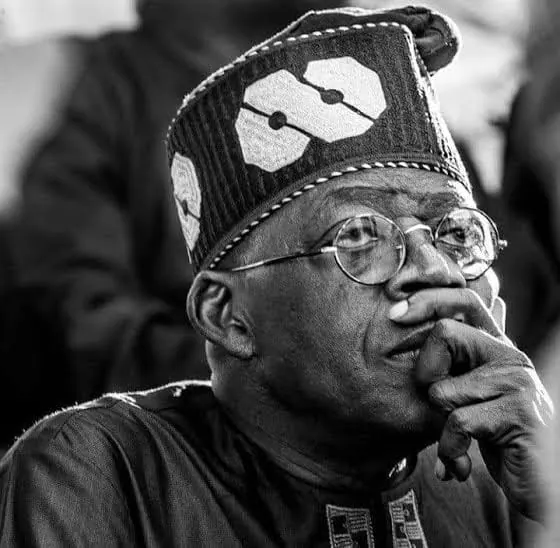
President Bola Tinubu's recent conduct has sparked a heated debate in Nigeria, with many criticizing his decision to embark on a vacation without formally transferring presidential powers to Vice President Kashim Shettima. According to Section 145(1) of the Nigerian Constitution, the President is required to transmit a written handover correspondence to the National Assembly, enabling the Vice President to serve as acting President. However, Tinubu failed to do so, raising concerns about a potential leadership vacuum.
The administration has defended the situation, citing advances in communication technology that allow the President to govern from anywhere in the world. However, this argument has been met with skepticism, as the Constitution defines specific parameters for administering the country. The Constitution is the grundnorm and primary law of the country, and any other law or regulation that conflicts with it stands as a nullity. Therefore, the President's failure to comply with Section 145(1) constitutes a gross constitutional breach.
Critics have expressed concern over the development, viewing it as an assault on the constitutional order of the administration. The President's primary responsibility is to defend, and not violate, the Constitution. His failure to transmit power to the Vice President through a formal correspondence to the National Assembly constitutes a manifest instance of abdication of responsibility. This development has evoked considerations beyond what meets the eye, particularly in the context of Nigeria's still-coalescing democracy.
The provision of Section 145(1) is intended to foster a symbiosis between the President, the Vice President, and the National Assembly, thereby accentuating the democratic flavour of the administration. However, Tinubu has never transmitted power to the Vice President during his numerous trips out of the country, leaving a sour taste in the mouth. The development has also raised questions about the role of the Tenth National Assembly in holding the Presidency in check.
The President of the Senate, Godswill Akpabio, has faced criticism for his response to the situation, which has been viewed as disappointing. The Tenth National Assembly has been accused of abdicating its responsibility to rein in the Presidency, imposing on the country the vulnerability of diminished capacity for decisiveness in leadership. The institution should have been at the forefront of calling the President to order, particularly given the country's recent experience with a leadership vacuum during the tenure of late President Umaru Yar'adua.
The situation remains untenable in Nigeria's still-coalescing democracy, with the President's actions perceived as a unilateral administration that shuts out contributions from the Vice President and the National Assembly. The downside of this tendency is the spread of the perception among the citizenry of a unilateral, sit-tight disposition by the President, which can erode trust between the leadership and citizenry.
The incident highlights the need for the President to respect the Constitution and the role of the National Assembly in holding him accountable. The country's democracy depends on the ability of its institutions to work together and ensure that the President does not abuse his powers. The Tenth National Assembly must take its responsibilities seriously and ensure that the President complies with the Constitution.
Key points
- President Tinubu's vacation without transferring power to Vice President Kashim Shettima constitutes a gross constitutional breach.
- The administration's defense of the situation has been met with skepticism, as it conflicts with the Constitution.
- The incident highlights the need for the President to respect the Constitution and the role of the National Assembly in holding him accountable.