President Bola Tinubu of Nigeria recently embarked on a trip to Saudi Arabia to perform the lesser Hajj, also known as Umrah. The trip, announced by the Presidency on October 28, 2026, has generated significant controversy and raised questions about the President's priorities amid Nigeria's economic challenges. According to the President's Special Adviser on Information and Strategy, Bayo Onanuga, the visit aimed to provide Tinubu with an opportunity for spiritual reflection, devotion, and prayers for Nigeria's peace, unity, stability, and continued progress.
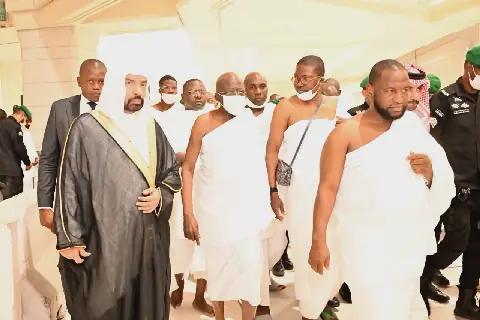
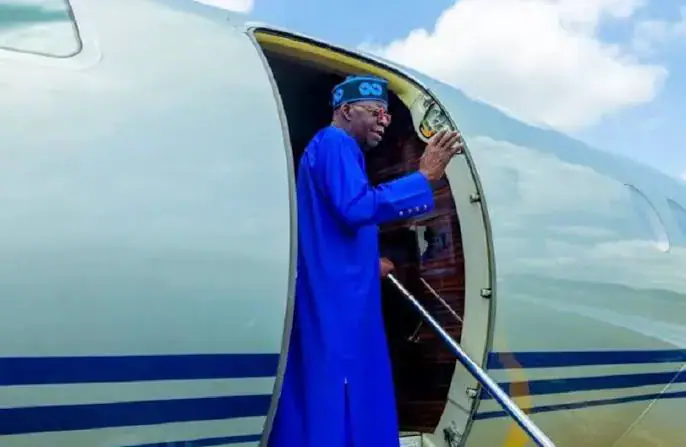
Tinubu departed Abuja on October 29, 2026, at approximately 2:20 pm and arrived at the King Abdulaziz International Airport in Jeddah, Saudi Arabia. He was received by Nigeria's Ambassador to Saudi Arabia, Yakubu Gambo, and the Saudi Head of Royal Protocol, Ahmad bin Thafir. The President performed the Umrah rites at the Grand Mosque in Makkah on October 30, 2026, as reported by Saudi Arabia's official news agency, Saudi Press Agency (SPA).
Before departing for Saudi Arabia, Tinubu was seen off at the Presidential Wing of the Nnamdi Azikiwe International Airport by six state governors and several senior government officials. They included Kwara State Governor AbdulRahman AbdulRazaq, Borno State Governor Babagana Zulum, Yobe State Governor Mai Mala Buni, Kaduna State Governor Uba Sani, Jigawa State Governor Umar Namadi, and Sokoto State Governor Ahmad Aliyu. Other dignitaries present were Secretary to the Government of the Federation George Akume, Attorney-General of the Federation Lateef Fagbemi, Coordinating Minister of Health and Social Welfare Muhammad Ali Pate, and Nigeria's Ambassador to Mexico, Reno Omokri.
Umrah, an Islamic pilgrimage to Makkah, is often referred to as the Lesser Hajj. Unlike the major Hajj pilgrimage, which takes place during specific days in the Islamic month of Dhul Hijjah, Umrah can be performed at different times of the year. This distinction has been highlighted amid criticism that Tinubu's trip was not necessary, with some arguing that prayers could also be answered in Nigeria.
Tinubu's Saudi trip has attracted criticism and questions from opposition figures and political leaders. Former Vice-President Atiku Abubakar demanded daily evidence of the President's activities in the Holy Land, questioning the need for the trip amid Nigeria's economic challenges. Oyo State Governor Seyi Makinde also expressed concerns, arguing that prayers could be answered in Nigeria.
The controversy surrounding Tinubu's trip has sparked a national debate about the role of religion in governance and the use of public funds for religious purposes. While some have defended the President's right to perform Umrah, others have criticized the timing and perceived extravagance of the trip. The Presidency has maintained that the trip was for religious purposes and did not involve the use of public funds.
The implications of Tinubu's trip are still being assessed, but it has raised questions about the priorities of Nigeria's leadership amid economic challenges. The President's decision to perform Umrah has been seen as a personal and spiritual matter, but it has also sparked concerns about the use of public resources and the need for transparency in governance.
Key points
- President Tinubu performed Umrah in Saudi Arabia amid criticism and controversy.
- The trip was defended as a spiritual exercise, but critics questioned its timing and necessity.
- The controversy has sparked a national debate about the role of religion in governance and the use of public funds.