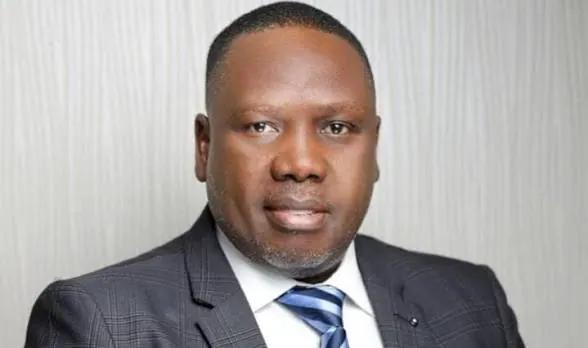
Nigeria's Special Adviser on Policy Communication, Daniel Bwala, has acknowledged that President Bola Ahmed Tinubu's economic reforms led to increased poverty. However, he emphasized that significant progress has been made since the introduction of these measures. Bwala defended the reforms on Channels Television, stating that they were necessary for economic restructuring. The reforms, which include the removal of the petrol subsidy and unification of the foreign exchange market, have had far-reaching impacts on the cost of living.
The economic reforms introduced by the Tinubu administration since taking office in May 2023 have had a profound impact on households and businesses. The measures triggered a sharp rise in transportation, logistics, and production costs. Bwala acknowledged that the immediate impact was painful, and more Nigerians fell into poverty. He argued that this hardship was an unavoidable consequence of economic restructuring. The government has been working to mitigate these effects and ensure a smoother transition.
Bwala emphasized that the reform process was not without its challenges. He stated that there is no part of the world where such reforms would not cause discomfort. However, he highlighted that since the reform started, marked progress has been made. This progress, according to Bwala, is what the government has been discussing with Nigerians over the past three years. The administration is focused on sustaining this momentum and addressing the remaining challenges.
President Tinubu recently addressed the nation on Independence Day, highlighting the positive outcomes of the reforms. He cited lower inflation, rebuilt foreign reserves, and a more stable foreign exchange market as evidence of economic stability. Tinubu stated that the government has moved from the reform phase to a focus on prosperity and reducing the cost of living. Bwala's comments align with the president's assessment, indicating a unified message from the administration.
Bwala also expressed confidence in President Tinubu's performance in the 2027 presidential election. He predicted that Tinubu would widen his margin of victory over his opponents compared to the 2023 election. In 2023, Tinubu won with 8,794,726 votes, defeating Atiku Abubakar of the Peoples Democratic Party by 1.81 million votes and Peter Obi of the Labour Party by 2.69 million votes. Bwala attributed his confidence to growing support from governors elected on opposition party platforms who have defected to the ruling All Progressives Congress.
Several governors have defected from opposition parties to the All Progressives Congress since the 2023 election. Bwala expects more governors to support Tinubu in 2027 than did so during the last presidential election. This growing support, according to Bwala, will contribute to Tinubu's increased margin of victory. The adviser expressed his confidence in Tinubu's performance, stating that the president will garner significant support in the next election.
The administration's focus on economic reforms and poverty reduction continues. While challenges persist, the government is working to sustain the progress made so far. Bwala's comments reflect the administration's efforts to engage with Nigerians and address their concerns. The government's commitment to economic stability and prosperity will be closely watched as the country prepares for future elections.
Key points
- President Tinubu's economic reforms led to increased poverty but have also made significant progress.
- The administration is focused on sustaining momentum and addressing remaining challenges.
- Bwala predicts Tinubu will widen his margin of victory in the 2027 presidential election.