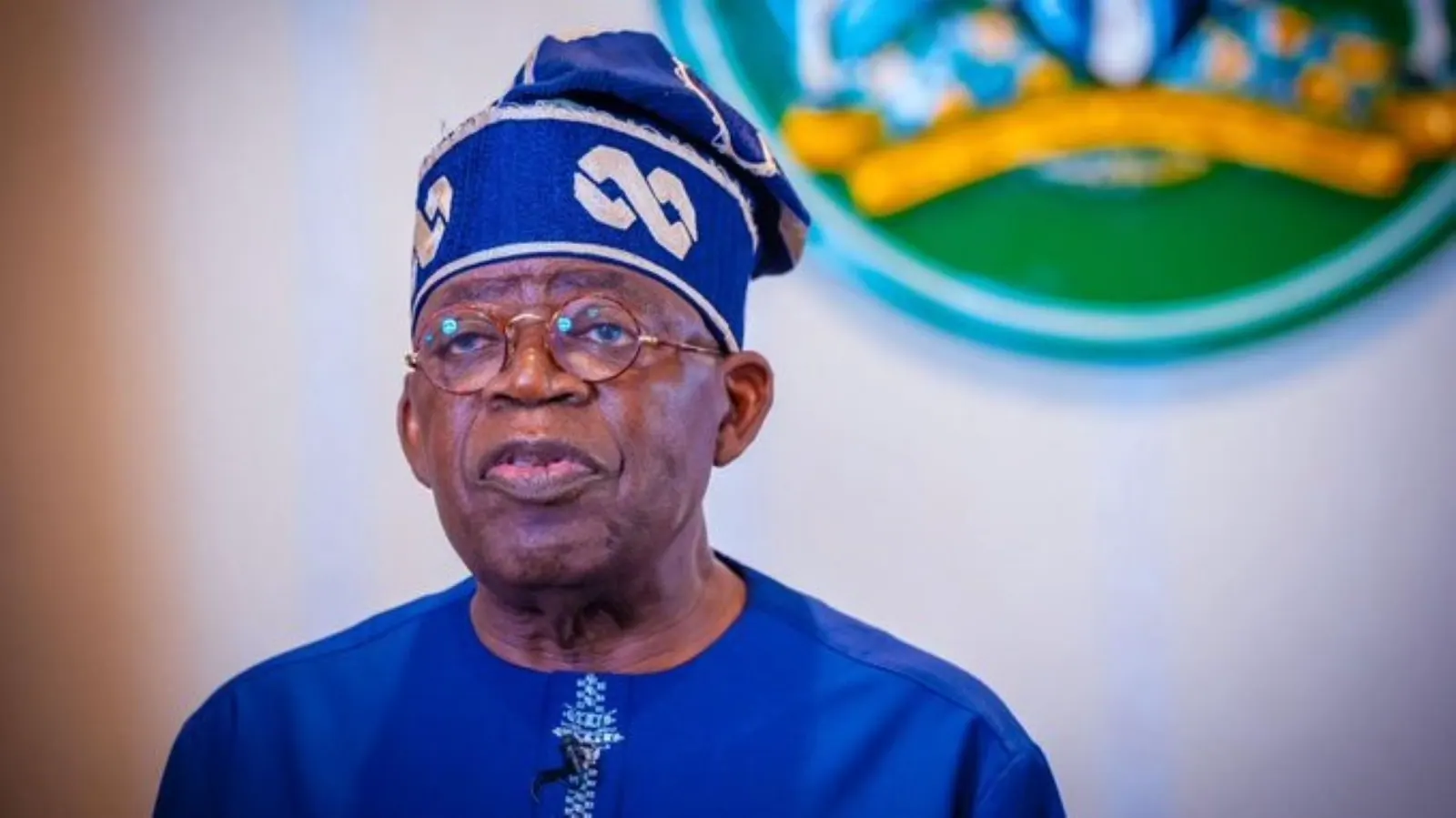
Princess Zahrah Mustapha Audu, National Publicity Secretary of the City Boy Movement and Director-General of the Presidential Enabling Business Environment Council (PEBEC), has called for a nuanced assessment of President Bola Tinubu's political career. In an article, Audu argued that Tinubu's legacy should not be solely defined by controversies surrounding his biography. Instead, she believes his political accomplishments and the institutions he has built or transformed should be considered.
Audu cited former South African President Nelson Mandela and Ghana's former leader Jerry John Rawlings as examples of African leaders with complex legacies. Mandela's history includes his role in establishing the armed wing of the African National Congress, his conviction for sabotage, and 27 years in prison before becoming South Africa's first democratically elected president. Rawlings' political career moved from military intervention to elected constitutional leadership, demonstrating that political identities and historical legacies can evolve over time.
Audu applied the same principle to Tinubu, arguing that his political career, spanning decades, should not be erased due to controversies surrounding his educational background and other aspects of his biography. She noted that Nigerians are entitled to scrutinize the credentials of public officials but should distinguish between allegations, disputed facts, and established facts. Records from litigation in the United States in 2023 showed that Chicago State University confirmed Tinubu attended the institution and graduated in 1979.
The controversy surrounding Tinubu's university education has been a subject of debate. Audu emphasized that Nigerians should not use this controversy to erase Tinubu's decades-long political career, which demonstrates evidence of political organization, coalition-building, and strategic capacity. Tinubu's political journey includes his time in the Senate during the aborted Third Republic, pro-democracy opposition politics, and his election as Lagos State governor in 1999.
Audu acknowledged that Tinubu's presidency should be subjected to a higher standard of scrutiny, particularly due to the economic reforms undertaken since 2023. The removal of fuel subsidies and changes to the foreign-exchange regime have had significant consequences for Nigerians, including increased living costs. However, the International Monetary Fund (IMF) reported that reforms since 2023 have strengthened Nigeria's macroeconomic stability and resilience.
The IMF also noted that poverty and food insecurity continue to pose major challenges, with poverty reaching 63 percent based on the national poverty line and an estimated 27 million Nigerians experiencing food insecurity in 2025. Audu argued that Tinubu's record should neither be presented as flawless nor dismissed due to controversies surrounding his biography. She cautioned against "hagiography" and "reductionism," advocating for a balanced assessment of his political achievements and challenges.
Audu concluded that Nigeria's assessment of Tinubu should encompass his political career, Lagos record, opposition-building, party organization, electoral history, and presidential policy record, alongside the controversies surrounding his biography. She emphasized that history is not about acquittal, but accumulation, and that Tinubu's biography should continue to be scrutinized, just as his government should be criticized where evidence warrants it.
Key points
- President Bola Tinubu's political career should be evaluated in a broader context, considering his accomplishments and the institutions he has built or transformed.
- The legacies of Nelson Mandela and Jerry Rawlings demonstrate that political leaders can have complex and evolving legacies.
- Audu cautions against "hagiography" and "reductionism" in assessing Tinubu's record, advocating for a balanced evaluation of his achievements and challenges.