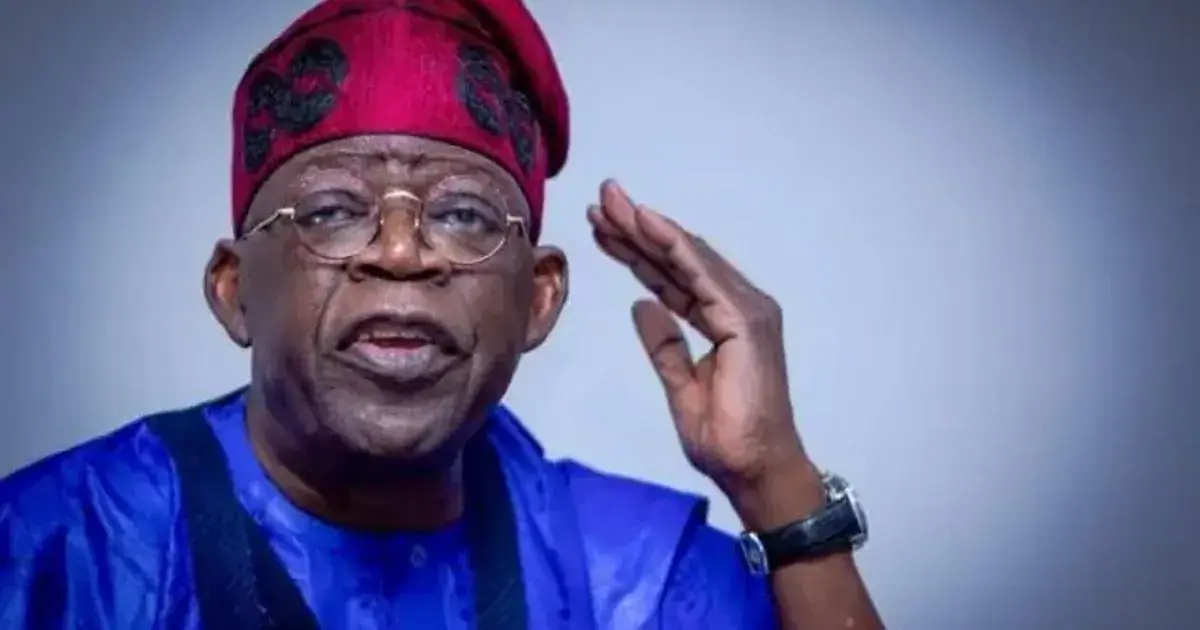
President Bola Ahmed Tinubu has directed the clearance and release of over 300 containers of electricity equipment stranded at Nigerian ports for up to 20 years. The equipment, originally imported to support Nigeria's electricity infrastructure, has remained at the ports due to unpaid charges and unresolved customs procedures. Tinubu's directive aims to boost the country's power supply by making previously imported equipment available for inspection and possible deployment.
The Minister of Power, Joseph Olasunkanmi Tegbe, disclosed the development after the Federal Executive Council meeting in Abuja on October 28, 2026. Tegbe described the situation as unacceptable, given Nigeria's need for electricity infrastructure to improve power supply. He stated that technical experts will inspect the equipment to determine which parts are still in good working condition and suitable for use in electricity projects.
The containers have reportedly remained at the ports for between 14 and 20 years due to unpaid port charges and unresolved customs procedures. Usable equipment will be deployed to ongoing infrastructure projects, while obsolete materials will be disposed of appropriately. The minister did not disclose the total value of the stranded equipment, outstanding port charges, or a specific timeline for completing the clearance exercise.
The directive is part of the Federal Government's efforts to strengthen Nigeria's electricity transmission infrastructure. The government aims to increase the country's electricity transmission capacity from approximately 5,000 megawatts (MW) to 19,000MW within two years through proposed East and West Super Grids. This initiative is expected to improve electricity transmission and strengthen the national grid.
The Federal Executive Council also approved three transmission infrastructure projects, including the supply of three 300MVA power transformers for the Ikeja West Transmission Substation and the upgrade of a 35.6-kilometre transmission line between Itumola, Mapasin, and Shagamu. These projects are expected to enhance electricity transmission and reinforce the national grid.
The clearance of the stranded containers is expected to make previously imported electricity equipment available for inspection and possible deployment. However, its impact on power supply will depend on the condition of the materials and how quickly they can be put to use. The Ministry of Power will work with the Nigerian Ports Authority (NPA) and the Nigeria Customs Service (NCS) to resolve outstanding issues and facilitate the release of the equipment.
The government's efforts to boost power supply come as the country continues to pursue measures to address its electricity infrastructure challenges. The implementation of Tinubu's directive and the proposed transmission infrastructure projects are expected to contribute to improved electricity supply in Nigeria. The success of these initiatives will depend on effective collaboration between relevant government agencies and stakeholders.
Key points
- President Tinubu orders clearance of over 300 containers of electricity equipment stranded at Nigerian ports for 14-20 years.
- The equipment will be inspected and usable parts deployed to active power projects to boost Nigeria's power supply.
- The government aims to increase Nigeria's electricity transmission capacity from 5,000MW to 19,000MW within two years.