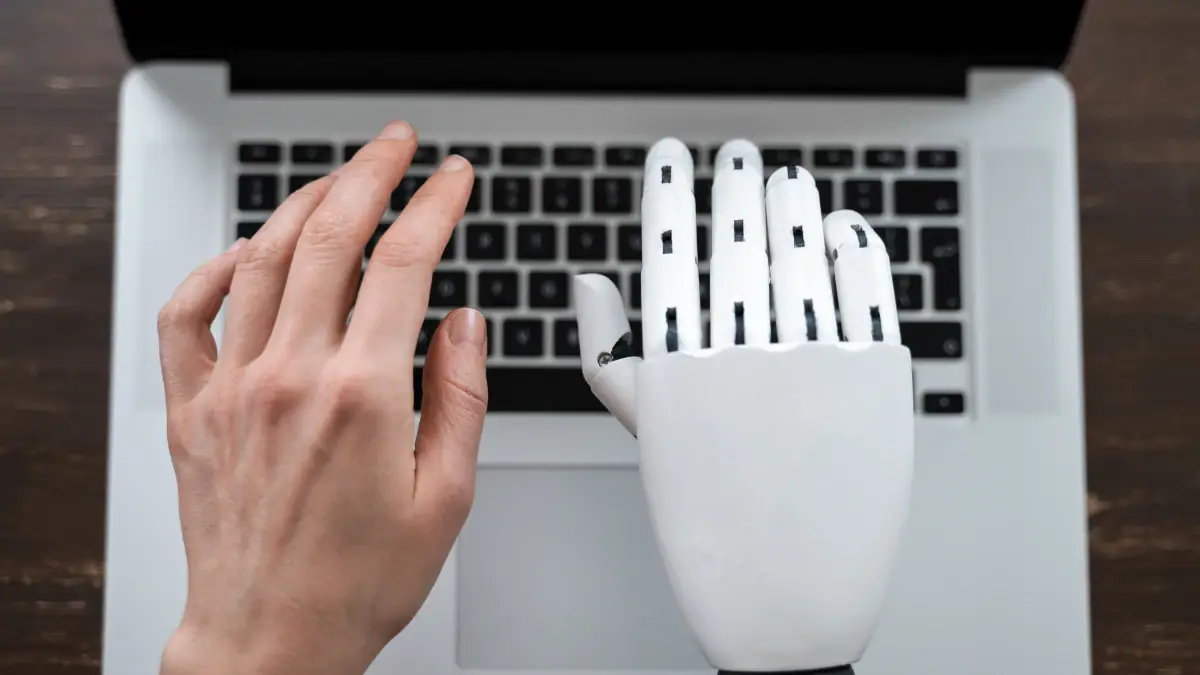
Ghostwriter Sally McGraw recently experienced this issue firsthand when her writing sample was flagged as AI-generated by multiple detection tools. Despite assuring the client that she had written the proposal herself, McGraw believes the detector results cost her the opportunity to write the full book proposal. This incident highlights the growing concern among writers about the use of AI detection tools in the publishing industry.
The use of AI detection tools has become more prevalent as editors struggle to keep up with a growing influx of AI-generated content. Neil Clarke, publisher and editor of Clarkesworld, says that the magazine has seen a significant increase in submissions, with roughly 1,100 submissions a month in 2021 doubling to 2,200 by February 2023. This surge has put pressure on the editing staff, with Clarke estimating his own workload has increased by about 30%.
However, AI detection tools are not perfect and can produce false positives. Researchers have found that different AI detection tools can reach dramatically different conclusions about the same piece of writing. A study published in June in the International Journal for Educational Integrity tested four widely used detectors and found that they were not consistently accurate. Pangram, one of the detectors, was the most accurate but still made mistakes, particularly when there was not much writing to evaluate.
The problem with AI detection tools lies in their methodology. Many detectors work by asking a large language model how predictable a passage is. However, this approach can be flawed, as language models tend to find text from their training data unusually predictable. This could explain why science blogger Janelle Shane encountered a false positive when she tested excerpts from her 2019 book about AI.
The use of AI detection tools has significant implications for writers. The Authors Guild has expressed concern that the use of these tools creates an environment reminiscent of witch hunts, with writers worried about false accusations and how to defend themselves. A false positive can cost an author their publishing contract and reputation, while a false negative can cause readers to lose their trust in authors and the industry.
Some editors, like Clarke, believe that AI detection tools could be useful in managing the volume of submissions, provided they check the detector's findings. However, he cautions against turning suspicions into accusations that could damage a writer's reputation. McGraw, on the other hand, says that the fear of another accusation has changed how she writes, with her avoiding certain words and sentence constructions to prove that a human wrote the text.
The incident highlights the need for a more nuanced approach to AI detection tools. As the technology continues to evolve, it is essential to address the concerns of writers and ensure that the tools are used fairly and accurately. McGraw's experience serves as a reminder of the potential consequences of false positives and the importance of verifying the accuracy of AI detection tools.
Key points
- AI detection tools are flagging human-written work as machine-generated, causing concern for writers who fear false accusations and damage to their reputation.
- The use of AI detection tools is not perfect and can produce false positives, with different detectors reaching dramatically different conclusions about the same piece of writing.
- The incident highlights the need for a more nuanced approach to AI detection tools to address the concerns of writers and ensure that the tools are used fairly and accurately.