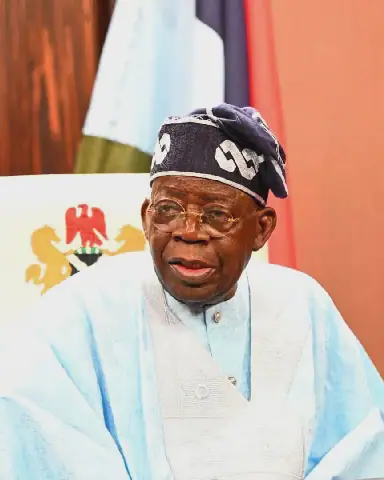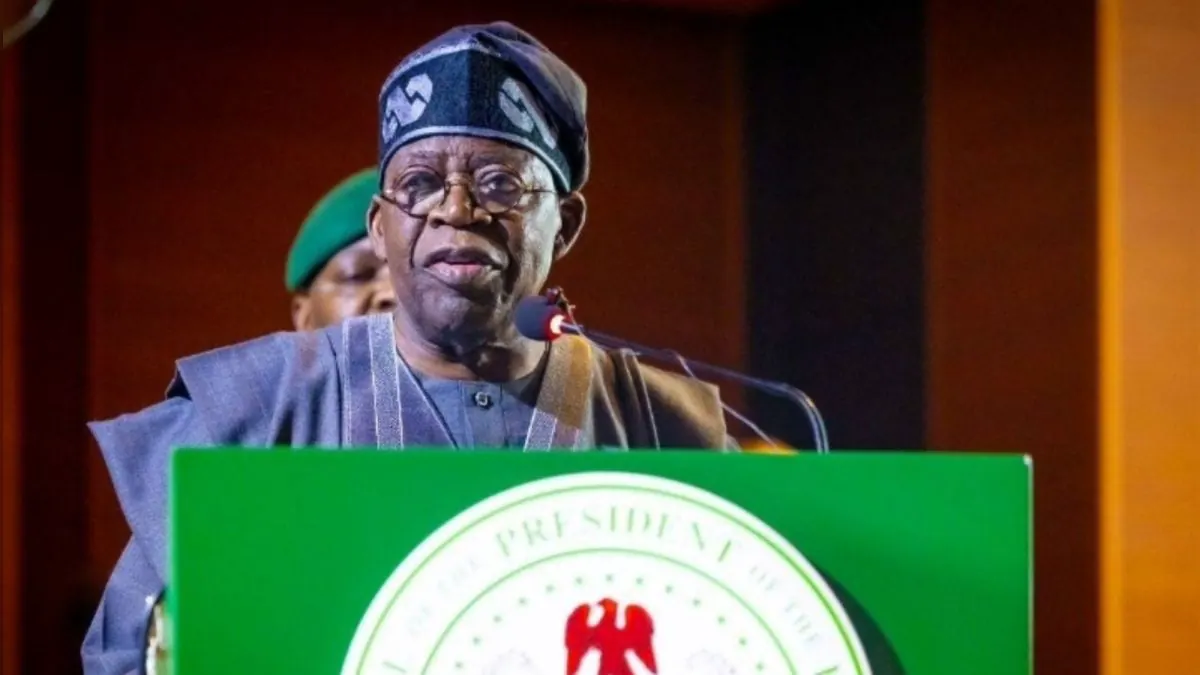
On October 1, President Bola Ahmed Tinubu addressed Nigerians on the country's 66th Independence anniversary, marking a significant milestone in the nation's history. In his address, Tinubu acknowledged the numerous economic and social challenges facing Nigeria, which have accumulated over several generations. He emphasized that his administration, which assumed office in 2023, cannot solve all these problems within four years.
Tinubu defended the economic reforms introduced by his administration since taking office, which he said were necessary to address longstanding weaknesses in the economy. He acknowledged that these measures had brought hardship to many Nigerians but maintained that they were crucial in correcting the nation's economic course. According to Tinubu, Nigeria entered his administration with serious economic distortions after years of unresolved challenges.
The President compared the situation to a patient suffering from a serious illness whose symptoms had repeatedly been treated without addressing the underlying condition. He stated that by 2023, poverty was rising, and hope was nearly gone, making it imperative for his administration to act. Tinubu insisted that the reforms were not responsible for the weaknesses confronting the country but rather confronted them.
Tinubu said the government was now moving away from the period of emergency economic correction and entering what he described as an "age of prosperity". He highlighted the economy's signs of improvement after the reforms, including economic growth of more than four percent, declining oil theft, lower inflation, stronger foreign reserves, and greater stability in the foreign exchange market. Additionally, he pointed to Nigeria's non-oil export performance, which recorded more than $6 billion in non-oil export revenue in 2025.
The President outlined the next phase of his administration's focus, which would be on reducing the cost of living, creating jobs, supporting businesses, and ensuring that Nigerians begin to feel the benefits of economic growth. He listed areas that would receive attention, including agriculture, infrastructure, manufacturing, energy, transportation, and digital connectivity. Tinubu also mentioned plans to expand mechanized irrigation and dry-season farming while improving access to seeds, fertilizer, and farm machinery.
Tinubu addressed the issue of poverty, admitting that millions of Nigerians were still struggling with the cost of food, education, healthcare, and transportation. He said those difficulties were linked to years of low productivity, inadequate infrastructure, and limited economic opportunities. The President maintained that the scale of the problems meant they could not disappear within a single four-year administration but emphasized that his government was working to change their course.
The President concluded by urging Nigerians to remain patient and united as the country moves into the next stage of his administration's economic program. He congratulated Nigerians on the 66th Independence anniversary and prayed for the continued progress of the country. Tinubu's address came a day after the Federal Government declared Thursday a public holiday to allow Nigerians to celebrate the nation's independence.
Key points
- President Tinubu says Nigeria's problems can't be solved in four years.
- The administration is working to put the country on a path to long-term prosperity.
- Tinubu outlined plans to focus on reducing the cost of living, creating jobs, and supporting businesses.