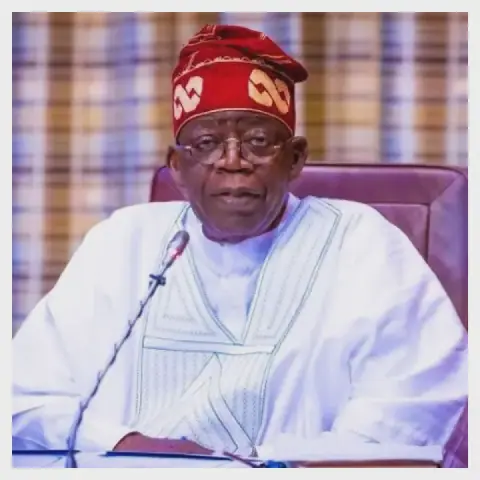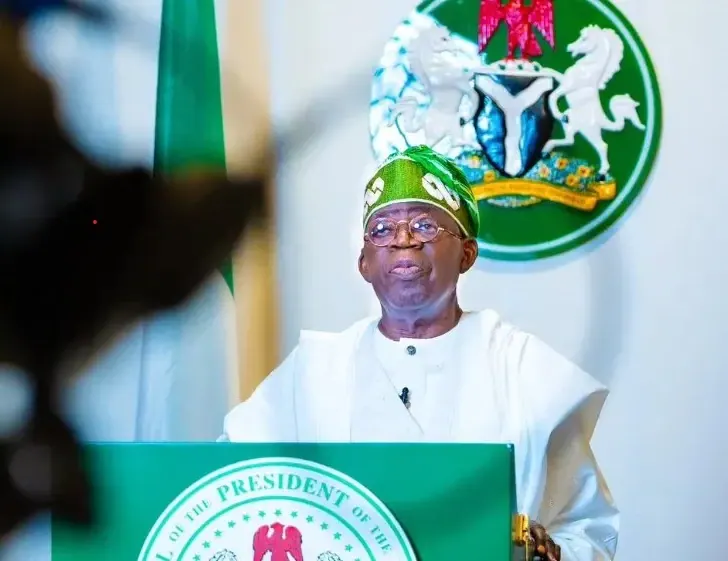
On October 1, 2026, President Bola Ahmed Tinubu delivered his Independence Day address to the nation, marking Nigeria's 66th anniversary of independence. In his speech, Tinubu expressed optimism about the country's future, stating that Nigeria has overcome its economic challenges and is now entering a phase of prosperity. He emphasized that his administration's focus has shifted from economic reforms to reducing the cost of living, creating jobs, and expanding opportunities for Nigerians.
Tinubu defended the economic reforms introduced since 2023, citing the need to correct long-standing economic distortions. He used a medical analogy, describing the reforms as painful but necessary to address underlying problems rather than just treating their symptoms. The President rejected calls to reverse the reforms, warning against returning to unsustainable subsidy arrangements. He emphasized that Nigeria must remember why the reforms were undertaken in the first place.
The President acknowledged the country's decades-long struggles, including the civil war, military rule, economic crises, insecurity, and political upheaval. Despite these challenges, Tinubu recognized the resilience and strength of ordinary Nigerians, including farmers, traders, teachers, and entrepreneurs, whose daily efforts keep the country moving. He also commended security personnel for their sacrifices in protecting Nigerians.
Tinubu highlighted the progress made in the economy, citing over 4% economic growth this year, contributions from the oil and non-oil sectors, lower inflation, rebuilt foreign reserves, and greater stability in the foreign exchange market. He also noted that oil theft has declined, and non-oil exports have grown, with Nigeria generating over $6 billion in non-oil export revenue in 2025, the country's highest-ever figure.
The President outlined his administration's plans to achieve shared and widespread prosperity. He emphasized that reducing the cost of living is a major priority, with plans to reduce the cost of producing and transporting goods. Tinubu also highlighted the importance of agriculture and food production, with plans to expand mechanized irrigation, dry-season farming, and improve access to seeds and fertilizer.
Tinubu's address also touched on the need for infrastructure development to reduce production and distribution costs. He highlighted the importance of roads, railways, and ports connecting farms and factories to markets. The President emphasized that jobs, industrialization, and youth opportunity are central to the next phase of his administration's plans, with a focus on using gas to power industries, reviving factories, and expanding digital connectivity.
In his concluding remarks, Tinubu called for unity and a forward-looking Nigeria. He urged Nigerians not to look back and envisioned a "Promised Land" where prosperity is broadly shared and children can achieve beyond the circumstances of their birth. The President emphasized that reversing decades of accumulated poverty will take time, but his administration is committed to sustained growth and social protection for vulnerable Nigerians.
Key points
- President Tinubu promises lower living costs, more jobs, and industrial growth in his Independence Day address.
- Nigeria's economy shows signs of improvement, with over 4% economic growth and increased non-oil export revenue.
- Tinubu outlines plans to achieve shared prosperity, including infrastructure development and social protection for vulnerable Nigerians.