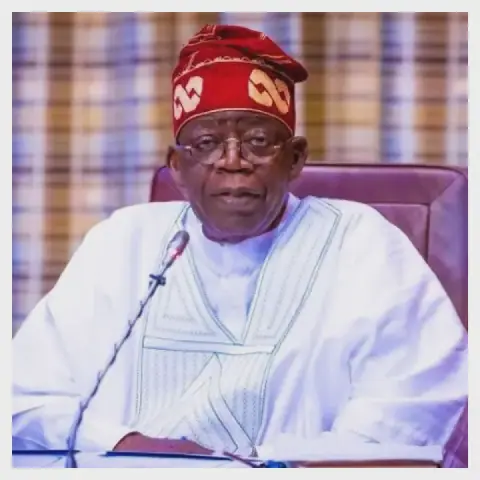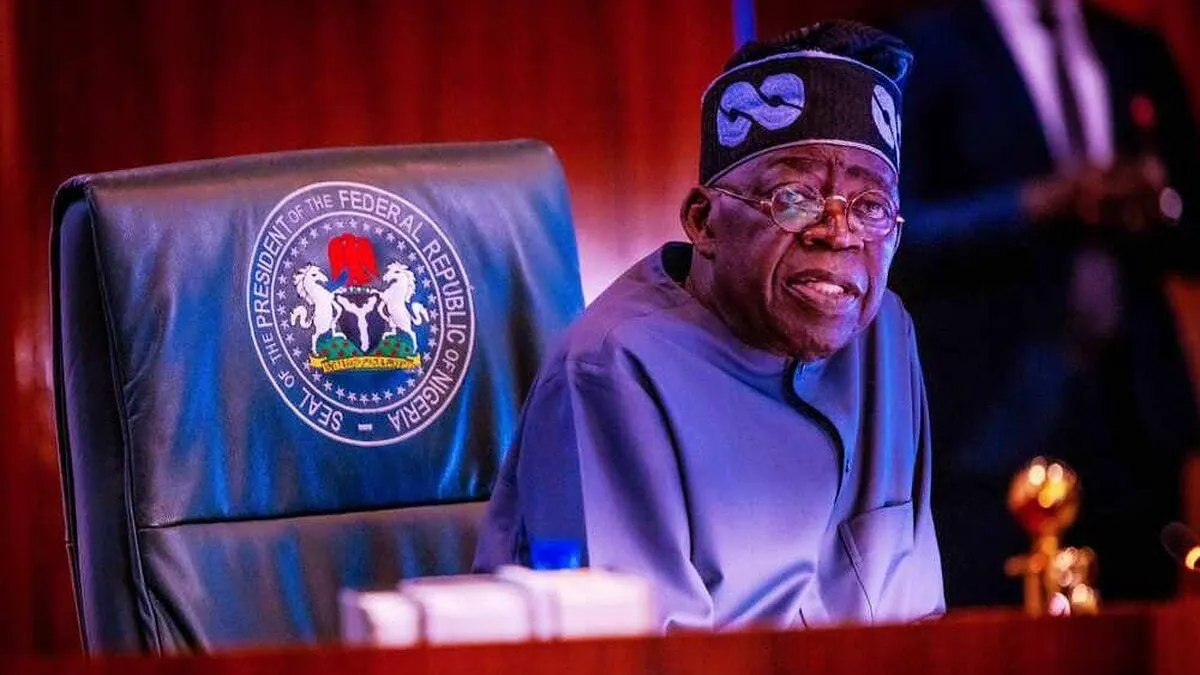
On October 1, 2026, President Bola Ahmed Tinubu addressed Nigerians on the country's 66th anniversary of independence from British colonial rule. In his nationally broadcast address, Tinubu reflected on Nigeria's journey since independence, acknowledging the economic difficulties, insecurity, and political upheaval that have shaped the country's history. He expressed optimism that Nigeria had moved beyond its difficult period of economic reforms and entered an "age of prosperity."
Tinubu emphasized that the promise of independence went beyond sovereignty, carrying the responsibility to build a country where citizens could enjoy opportunity, dignity, and a better standard of living. He noted that successive governments had avoided difficult economic decisions, allowing structural weaknesses to deepen. By 2023, poverty was rising, and hope was nearly gone, prompting his administration to take action.
The President defended the economic reforms introduced by his administration, including measures that have affected the cost of living and economic conditions. He compared Nigeria's economic situation to a patient with cancer, requiring painful treatment to recover. Tinubu stated that the reforms were necessary to address weaknesses accumulated over several years and that they had not created the weaknesses but confronted them.
According to Tinubu, Nigeria's economic outlook had improved three and a half years after his administration began its reform program. The economy had grown by more than four percent in 2026, with both the oil and non-oil sectors contributing to stable growth. He also mentioned that oil theft had declined, inflation had fallen substantially, foreign reserves had been rebuilt, and the foreign exchange market had stabilized.
Tinubu highlighted that Nigeria recorded more than $6 billion in non-oil export revenue in 2025, the highest in the country's history. He stated that the government had now reached a new stage, focusing on improving living standards and expanding opportunities. The President outlined a vision of a country where farmers could produce safely and profitably, factories could access reliable electricity, and young people could find productive jobs.
The President emphasized that reducing the cost of living would remain a major priority of his administration. He mentioned plans to focus on lowering production and transportation costs through agricultural mechanization, irrigation, and improved access to seeds and fertilizer. Tinubu also pointed to investments in roads, railways, and ports to connect farms and factories with markets.
Tinubu acknowledged that millions of Nigerians were still struggling with poverty and the rising cost of basic needs. He said his administration was strengthening direct support for poor households and improving the National Social Register. The President also highlighted initiatives such as the Nigerian Education Loan Fund and CREDICORP, providing access to consumer credit and essential assets.
Key points
- President Tinubu declares Nigeria has entered an "age of prosperity" after a period of economic reforms.
- The President outlines a vision for a country with improved living standards, expanded opportunities, and shared prosperity.
- Tinubu's administration focuses on reducing the cost of living, job creation, and enterprise development to drive economic growth.