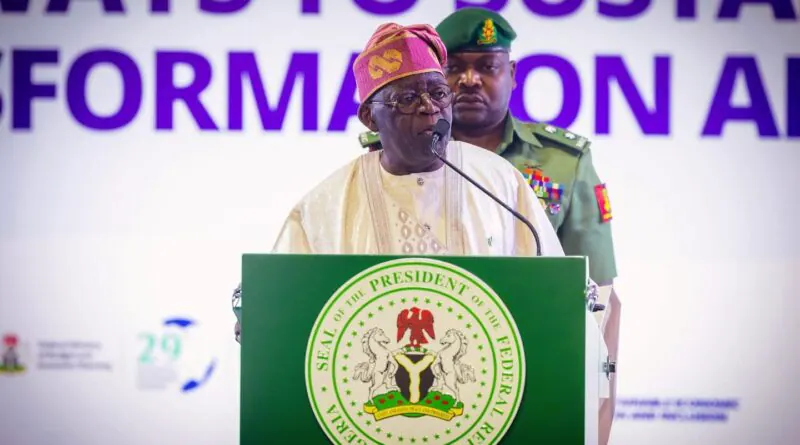
In his Independence Day broadcast, President Bola Tinubu highlighted Nigeria's economic progress over the past three and a half years. He mentioned a growth rate of over four percent in 2026, driven by contributions from both the oil and non-oil sectors. The President also noted a significant decline in inflation from its peak and reduced oil theft. These developments, he argued, indicate a positive shift in the country's economic outlook.
According to President Tinubu, Nigeria's foreign reserves have been rebuilt, and the foreign exchange market has stabilized. He also cited a notable increase in non-oil export revenue, reaching over $6 billion in 2025, which he described as the country's highest ever. These achievements, Tinubu claimed, have been recognized by international observers, journalists, NGOs, and multilateral institutions. This, he said, demonstrates improvements in Nigeria's economic stability and resilience.
President Tinubu declared that Nigeria has reached a turning point, marking the end of the emergency economic treatment phase. He stated that the foundation has been repaired, and the government's central economic objective has shifted from correcting Nigeria's economic course to achieving shared and widespread prosperity. This new phase will focus on translating economic growth into tangible improvements in the lives of Nigerians.
To achieve this goal, Tinubu outlined several measures aimed at reducing production and transportation costs, boosting agricultural output, and expanding mechanization. The government plans to improve roads, railways, ports, storage, and transportation infrastructure. Additionally, the President promised to prioritize jobs, enterprise, and industrial growth, including using gas to power industries, reviving factories, and expanding digital connectivity.
President Tinubu acknowledged that millions of Nigerians are still struggling with basic needs such as food, school fees, medical bills, and transportation costs. However, he assured that the government is strengthening social interventions while pursuing long-term economic growth. The President emphasized that the objective is not to manage poverty more efficiently but to defeat it.
Tinubu expressed optimism about Nigeria's future, declaring that the age of reform has done its work, and the country has entered the age of prosperity. He urged Nigerians to move forward without looking back, envisioning a "Promised Land" of abundance, opportunity, and broadly shared prosperity. The President's address aimed to reassure Nigerians of the government's commitment to economic growth and improved living standards.
As the government shifts its focus to achieving shared prosperity, President Tinubu emphasized the importance of making economic growth translate into tangible improvements in the lives of Nigerians. This includes ensuring affordable food and transportation, reliable electricity, access to credit, productive jobs, and improved access to education. The President's address reflects the government's efforts to address the country's economic challenges and improve the well-being of its citizens.
Key points
- President Tinubu claims Nigeria's economy is improving, with a growth rate of over four percent in 2026.
- The government aims to achieve shared and widespread prosperity, focusing on tangible improvements in the lives of Nigerians.
- President Tinubu emphasized the importance of defeating poverty, rather than just managing it.